
Over 500 below poverty line patients in Karnataka have received free, life-saving organ transplants since 2019, marking a significant yet understated public health achievement by the State. The milestone reflects years of policy planning, institutional coordination, and sustained public funding aimed at ensuring that access to advanced medical care is not limited by income. For hundreds of families who once faced the certainty of loss due to unaffordable treatment, the programme has transformed despair into survival, redefining the role of the State in delivering high-end healthcare to its most vulnerable citizens.
Health economists point out that the benefits of free organ transplants extend well beyond individual patients and families. By restoring patients to functional health, the State reduces long-term expenditure on repeated hospitalisations, emergency care, and chronic supportive treatments such as dialysis. Many transplant recipients are able to rejoin the workforce, contribute economically, and reduce dependency on welfare support. Over time, this creates a cycle where public investment in high-cost treatment yields broader economic returns through productivity, reduced healthcare burden, and improved quality of life for entire households.
Gender and Social Equity Dimensions
Data emerging from the programme also reveals important gender and social equity dimensions. A significant proportion of beneficiaries belong to marginalised communities that traditionally face barriers in accessing advanced healthcare. Women recipients, in particular, have benefited from the scheme, challenging long-standing patterns where women’s health needs are often deprioritised in low-income families. Public health advocates argue that such outcomes demonstrate how universal healthcare interventions can correct structural inequities that go beyond income alone.
Training and Skill Development in Medicine
The sustained volume of transplants has also contributed to skill development within the medical ecosystem of Karnataka. Young surgeons, nurses, and transplant coordinators trained under the programme gain exposure to complex procedures and post-operative management. Medical colleges linked to government hospitals report improved academic and clinical outcomes due to this hands-on experience. Experts believe this will have long-term benefits, creating a pool of highly skilled professionals capable of strengthening transplant programmes across the country.
Public Confidence in Government Healthcare
Another notable outcome has been the gradual strengthening of public confidence in government-run and government-supported healthcare systems. Successful high-profile treatments among BPL patients challenge the perception that quality care is only available in expensive private hospitals. Beneficiaries’ stories, often shared within communities, have encouraged more people to seek early diagnosis and treatment at public institutions, potentially improving health outcomes even beyond transplant-related cases.
A Model for Future Health Policy
Policy analysts suggest that Karnataka’s free organ transplant initiative could serve as a blueprint for future healthcare reforms in India. By combining financial protection, institutional capacity building, ethical governance, and community engagement, the programme demonstrates a scalable model for delivering complex medical care equitably. As healthcare costs continue to rise nationwide, the lessons from this initiative may influence how states and the Centre design policies that prioritise both medical excellence and social justice.
Background of the Programme
The free organ transplant initiative was strengthened in Karnataka after 2019 as part of a broader effort to expand tertiary healthcare access for economically weaker sections. Traditionally, organ transplantation — involving kidneys, liver, heart, and other vital organs — has been one of the most expensive medical procedures, placing it far beyond the reach of BPL families. Recognising this gap, the State integrated transplant coverage into its public health framework, enabling eligible patients to undergo complex surgeries at government-empanelled hospitals without bearing the financial burden.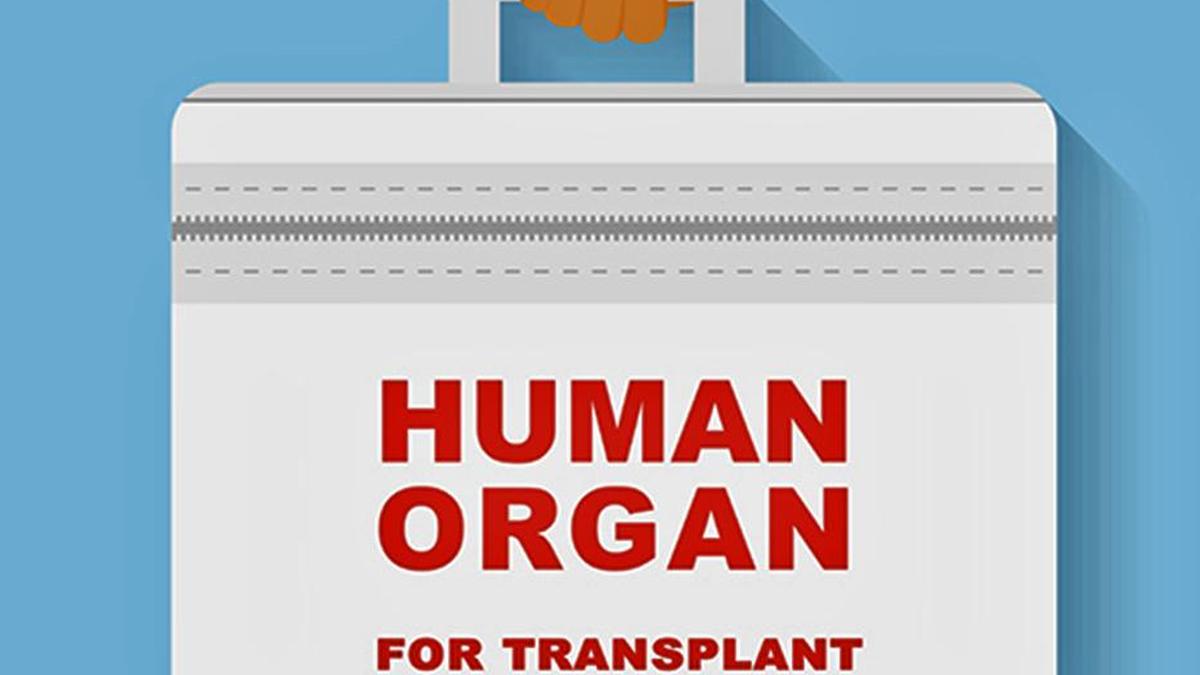
Scope and Scale of Transplants
Since the programme’s expansion, more than 500 BPL patients have benefited from free transplants, with kidney transplants accounting for the largest share, followed by liver and, in fewer cases, heart transplants. Medical authorities note that many recipients were young adults or sole earning members of families, making the social impact of each transplant far-reaching. Each successful surgery not only saved a life but also prevented families from slipping deeper into poverty due to catastrophic healthcare expenditure.
Funding and Institutional Support
The programme is funded through State health schemes and supported by a network of government and private hospitals authorised to perform transplants. Costs covered include pre-transplant evaluation, surgery, post-operative care, and essential immunosuppressive medication for a defined period. Officials emphasise that sustained funding has been critical, as organ transplantation is not a one-time expense but requires long-term medical follow-up. The State’s ability to absorb these costs has been central to the programme’s success.
Challenges Faced by BPL Patients
Before the introduction of free transplant coverage, BPL patients with end-stage organ failure faced limited options. Dialysis, often the only interim solution for kidney failure, was physically exhausting and financially draining even when subsidised. Liver and heart failure patients had even fewer alternatives. Many families resorted to borrowing heavily or discontinuing treatment altogether. Health experts say the free transplant programme addressed this ethical and public health crisis by recognising organ failure as a condition requiring collective societal intervention.
Healthcare Equity and Systemic Impact
Strengthening the Public Health System
The transplant initiative has had a ripple effect on Karnataka’s public health infrastructure. Government hospitals have upgraded surgical facilities, trained specialised staff, and improved intensive care capacity to meet transplant requirements. This capacity building has benefited not just transplant patients but also others requiring advanced critical care. Health administrators argue that investments made for transplantation have strengthened the system as a whole, improving outcomes across multiple departments.
Organ Donation Awareness and Coordination
A key factor enabling the programme has been improved organ donation coordination. Karnataka has invested in awareness campaigns encouraging organ donation, particularly deceased donation, and streamlined procedures for retrieval and allocation. State-level coordination mechanisms ensure that organs are allocated transparently based on medical urgency and compatibility. Officials note that increased public awareness has gradually reduced stigma and hesitation around organ donation, contributing to the growing pool of available organs.
Role of Medical Professionals
Doctors and transplant coordinators play a pivotal role in the programme’s success. Many medical professionals highlight that treating BPL patients under the scheme has been professionally rewarding, as it aligns medical expertise with social justice. Surgeons point out that outcomes among BPL patients have been comparable to those of paying patients, countering myths that economic background influences medical success. Their experiences underline the argument that equitable access, rather than income, determines health outcomes.
Post-Transplant Care and Sustainability
One of the programme’s ongoing challenges is ensuring continuity of post-transplant care. Immunosuppressive drugs must be taken lifelong to prevent organ rejection, and interruptions can be fatal. The State currently supports medication costs for a defined period, after which patients may need additional assistance. Health officials acknowledge this gap and say discussions are ongoing to extend long-term support, recognising that the true success of transplantation lies not just in surgery but in sustained survival.
Social Impact on Families
For families of recipients, the impact has been transformative. Many beneficiaries report returning to work, resuming education, or regaining the ability to care for dependents. The psychological relief of escaping a terminal diagnosis without incurring crippling debt has been profound. Social workers involved in the programme observe that families often become advocates for organ donation and public healthcare, sharing their stories to encourage others to trust and utilise State health services.
Policy Lessons and the Road Ahead
Comparisons with Other States
Public health experts note that Karnataka’s performance compares favourably with many other states, where free transplant coverage remains limited or inconsistently implemented. While some states offer partial subsidies, few have managed the scale and continuity seen in Karnataka since 2019. Analysts caution, however, that demand still far outstrips supply, and success should be measured not only by numbers achieved but by the system’s capacity to expand further.
Ethical Dimensions and Governance
The programme also raises important ethical questions about prioritisation, transparency, and consent. Authorities emphasise that strict protocols govern beneficiary selection, donor consent, and organ allocation to prevent misuse. Regular audits and oversight mechanisms are in place to maintain public trust. Governance experts argue that maintaining ethical standards is essential, as any lapse could undermine confidence in organ donation and jeopardise the programme’s long-term viability.
Addressing Regional Disparities
Despite overall success, regional disparities persist. Most transplants are performed in urban centres with advanced hospitals, requiring rural patients to travel long distances. While costs are covered, logistical and emotional challenges remain significant. The State has acknowledged this issue and is exploring ways to decentralise certain aspects of care, such as follow-up consultations and routine tests, to district-level facilities to reduce patient burden.
Future Expansion and Innovation
Looking ahead, health officials say the focus will be on expanding eligibility, improving donor rates, and strengthening post-transplant support. Innovations such as telemedicine for follow-up care and better integration of district hospitals into transplant networks are under consideration. There is also discussion around creating a dedicated long-term fund to support lifelong medication for BPL transplant recipients, recognising it as an essential component of healthcare equity.
Voices from the Healthcare Community
The healthcare community largely views the programme as a model for inclusive healthcare. Doctors, administrators, and public health scholars argue that Karnataka’s experience demonstrates that even resource-intensive treatments can be delivered equitably with political will and administrative planning. They stress that such programmes challenge the notion that advanced medicine is inherently elitist, proving instead that it can be a public good when embedded within a robust policy framework.
Conclusion
The fact that over 500 BPL patients have received free, life-saving organ transplants in Karnataka since 2019 stands as a powerful testament to what sustained public commitment can achieve. Beyond the numbers, the programme represents restored lives, preserved families, and renewed faith in the promise of public healthcare. While challenges remain in scaling up, ensuring long-term care, and addressing regional inequities, the initiative has laid a strong foundation. As Karnataka moves forward, this quiet revolution in organ transplantation may well become one of its most enduring legacies — a lifeline extended not by wealth, but by collective responsibility and compassion.
Follow: Karnataka Government
Also read: Home | Channel 6 Network – Latest News, Breaking Updates: Politics, Business, Tech & More
