
Kidwai Memorial Institute of Oncology (KMIO) in Bengaluru has achieved the ISO 14001:2015 certification for its solid waste management system, marking a significant milestone in the hospital’s sustainability and environmental responsibility efforts. The certification recognises KMIO’s structured approach to reducing environmental impact, ensuring safe handling of biomedical waste, and promoting sustainable practices within the hospital premises. Hospital officials said the achievement reflects years of systematic improvements in waste segregation, treatment, and disposal, in line with international environmental management standards.
The hospital administration noted that achieving ISO 14001:2015 certification involved detailed documentation and rigorous audits over several months. Every department was evaluated for compliance with waste management protocols, and corrective actions were implemented wherever gaps were identified. Officials emphasised that the process required collaboration between medical staff, housekeeping, administration, and environmental consultants. The successful certification is a result of this collective effort, demonstrating that effective environmental management in healthcare requires the participation of all stakeholders.
Staff morale at KMIO has received a significant boost following the certification. Employees reported a sense of pride and responsibility, knowing that their workplace meets international environmental standards. Nurses, technicians, and housekeeping personnel said that the structured waste management procedures make their work safer and more organized. Training programs not only enhanced their technical skills but also fostered a culture of environmental awareness and accountability. This cultural shift is expected to have long-term benefits in maintaining high standards of waste management.
The ISO certification has also attracted interest from other hospitals and medical institutions. Several healthcare providers have reached out to KMIO for guidance on implementing similar systems. Environmental consultants believe that KMIO’s achievement can serve as a model for regional hospitals, demonstrating that even large, high-volume facilities can manage biomedical and general waste efficiently while complying with international standards. Sharing best practices may lead to broader improvements in environmental management across the healthcare sector.
Patients and their families have expressed reassurance at the hospital’s commitment to environmental safety. Many said that knowing the hospital adheres to global standards for waste management enhances their confidence in its overall operations. Officials noted that the hospital’s clean and organized premises, along with visible waste segregation and treatment measures, provide a sense of safety and trust among patients visiting for cancer treatment and routine care.
KMIO’s initiative aligns with national and international health guidelines emphasizing responsible biomedical waste disposal. Improper waste handling can lead to contamination, spread of infections, and environmental hazards. By implementing an ISO-certified system, the hospital reduces these risks while creating a safer work environment. Public health experts highlighted that hospitals with ISO 14001:2015 certification set benchmarks for others, encouraging a culture of compliance and environmental consciousness across the medical community.
The certification also supports KMIO’s sustainability goals by promoting resource efficiency. Optimized waste management reduces the volume of untreated waste, lowers disposal costs, and minimizes environmental pollution. Officials noted that environmentally responsible practices can also improve operational efficiency by streamlining workflow, reducing health hazards for staff, and enhancing the hospital’s reputation. Long-term planning includes continuous monitoring to identify opportunities for further improvement.
Government representatives lauded KMIO’s achievement, highlighting the importance of environmental management in public health institutions. Authorities said that such certifications demonstrate leadership in sustainable healthcare and encourage other hospitals to adopt similar practices. They emphasised that the initiative contributes not only to patient and staff safety but also to community well-being by minimizing the ecological footprint of medical waste.
KMIO plans to conduct awareness programs for local communities, explaining the significance of biomedical waste management and environmentally safe practices. Public workshops and educational outreach initiatives are expected to encourage citizens to follow proper disposal methods at home and in local clinics. Officials believe that engaging the community is critical to achieving sustainable healthcare ecosystems and reducing environmental health risks in urban and peri-urban areas.
Experts pointed out that the hospital’s approach balances high-quality cancer care with environmental responsibility, illustrating that patient welfare and sustainability can coexist. They noted that hospitals generate significant amounts of biomedical waste daily, making proper management essential for public health. By achieving ISO certification, KMIO positions itself as a leader in integrating environmental governance into core medical operations, setting a precedent for other specialized healthcare institutions.
Finally, KMIO’s ISO 14001:2015 certification reinforces the importance of long-term environmental planning in healthcare. The hospital has committed to periodic audits, continuous staff training, and process improvements to maintain its standards. Officials emphasised that this milestone is not the endpoint but part of an ongoing journey toward sustainability. As Karnataka continues to develop its healthcare infrastructure, KMIO’s achievement serves as a benchmark for hospitals seeking to enhance patient care while protecting the environment.
The ISO 14001:2015 certification covers all aspects of solid waste management, including collection, segregation, transportation, and disposal of biomedical and general waste. KMIO implemented a comprehensive plan that adheres to regulatory norms, minimizes environmental contamination, and ensures the safety of staff, patients, and the surrounding community. This includes dedicated waste handling units, staff training, and periodic audits to maintain compliance with global best practices.
Officials highlighted that the certification not only demonstrates regulatory compliance but also reinforces KMIO’s commitment to sustainability. With increasing awareness of environmental hazards associated with improper biomedical waste disposal, the hospital’s ISO certification sets an example for other healthcare institutions in Karnataka and across India. By achieving the standard, KMIO strengthens its reputation as a centre of excellence not only in oncology care but also in environmental stewardship.
The hospital’s administration has emphasised that this certification is part of a larger sustainability roadmap, which includes reducing single-use plastics, optimizing energy consumption, and improving water management systems. KMIO’s green initiatives aim to balance high-quality patient care with environmental responsibility, demonstrating that healthcare delivery and ecological consciousness can coexist effectively.
SOLID WASTE MANAGEMENT: SYSTEMATIC APPROACH
KMIO has implemented a detailed system for waste segregation, ensuring that infectious, hazardous, and general waste is separated at the point of generation. Colour-coded bins, labelled containers, and clearly defined disposal protocols ensure that biomedical waste is handled safely and efficiently. Hospital staff undergo regular training sessions to reinforce compliance with waste management procedures and to instill awareness of environmental and occupational hazards.
Transportation of waste within the hospital premises is done using designated trolleys and containers, preventing spillage and contamination. Waste collected from different departments is systematically transferred to the hospital’s treatment units, where it undergoes appropriate treatment such as autoclaving, chemical disinfection, or incineration, depending on its category. Regular internal audits ensure adherence to both ISO standards and national biomedical waste regulations.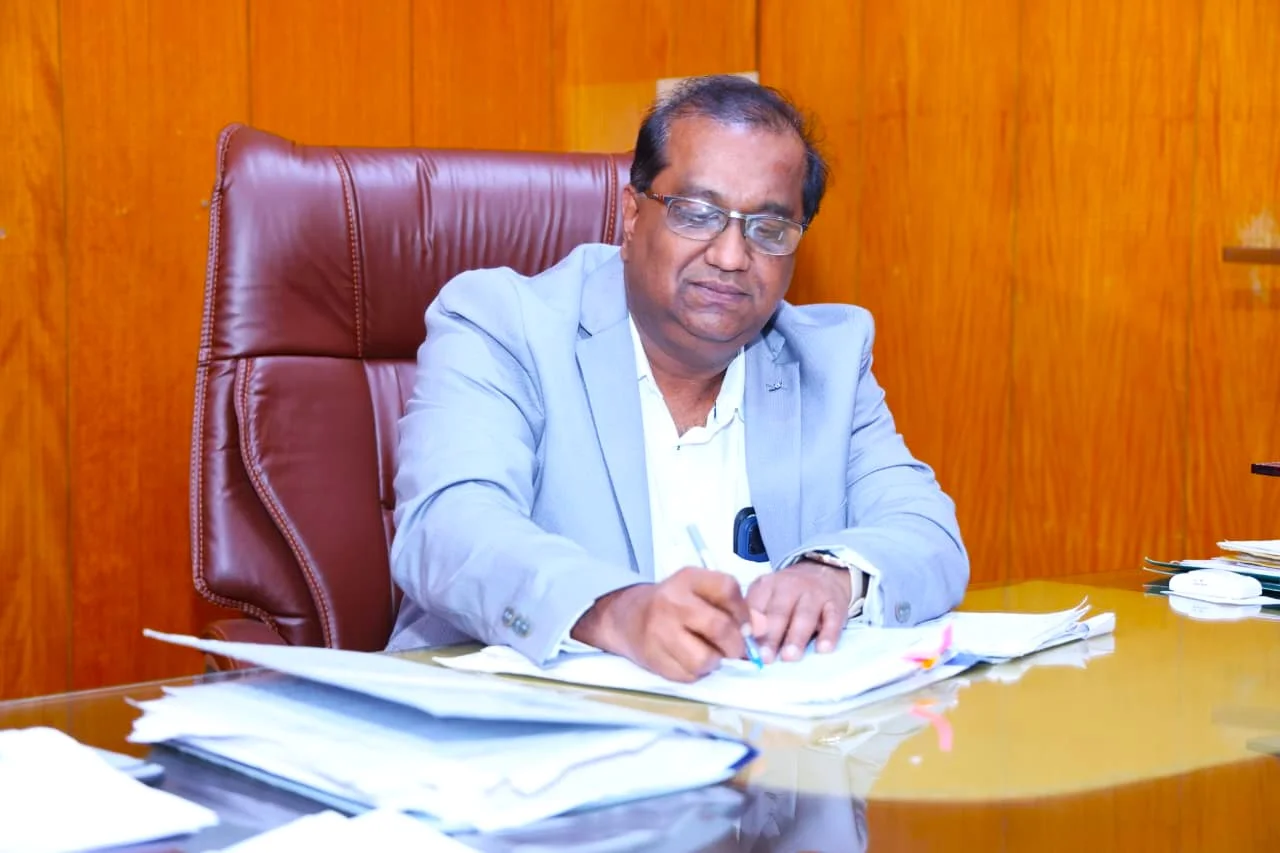
The hospital’s certification also focuses on monitoring and continuous improvement. Key performance indicators, including waste reduction, segregation accuracy, and treatment efficiency, are regularly reviewed. Feedback from audits and environmental assessments is used to refine processes, introduce new technologies, and enhance staff competency. Officials emphasised that ISO 14001:2015 certification is not a one-time achievement but a commitment to continuous environmental performance improvement.
Environmental experts praised KMIO’s initiative, stating that hospitals generate significant amounts of biomedical waste, which, if improperly managed, can lead to pollution, disease transmission, and occupational hazards. By achieving ISO certification, KMIO not only safeguards its immediate environment but also contributes to broader public health and environmental protection objectives.
IMPACT ON STAFF AND PATIENTS
The certification has had a positive impact on staff awareness and engagement. Hospital employees reported increased understanding of proper waste handling protocols and improved workplace safety. Training programs have equipped staff to identify different waste types, handle materials safely, and comply with treatment procedures, reducing the risk of infection or injury.
Patients and their families also benefit indirectly, as proper waste management ensures a cleaner, safer hospital environment. Minimizing hazardous exposure in public areas contributes to overall patient safety and improves the quality of healthcare delivery. Hospital management said that patient education about environmental initiatives is part of their outreach, helping cultivate awareness and community engagement.
Community representatives welcomed the certification, noting that hospitals are significant generators of biomedical waste in urban areas. KMIO’s systematic and certified approach reduces the risk of environmental contamination, protecting water bodies, soil, and air quality in surrounding neighbourhoods. Officials said such initiatives encourage other institutions to adopt similar environmental standards.
The hospital administration highlighted that ISO certification will help attract international collaborations and research opportunities, as sustainability is increasingly becoming a criterion in global partnerships. By aligning with international environmental management standards, KMIO reinforces its position as a leading oncology centre in the region.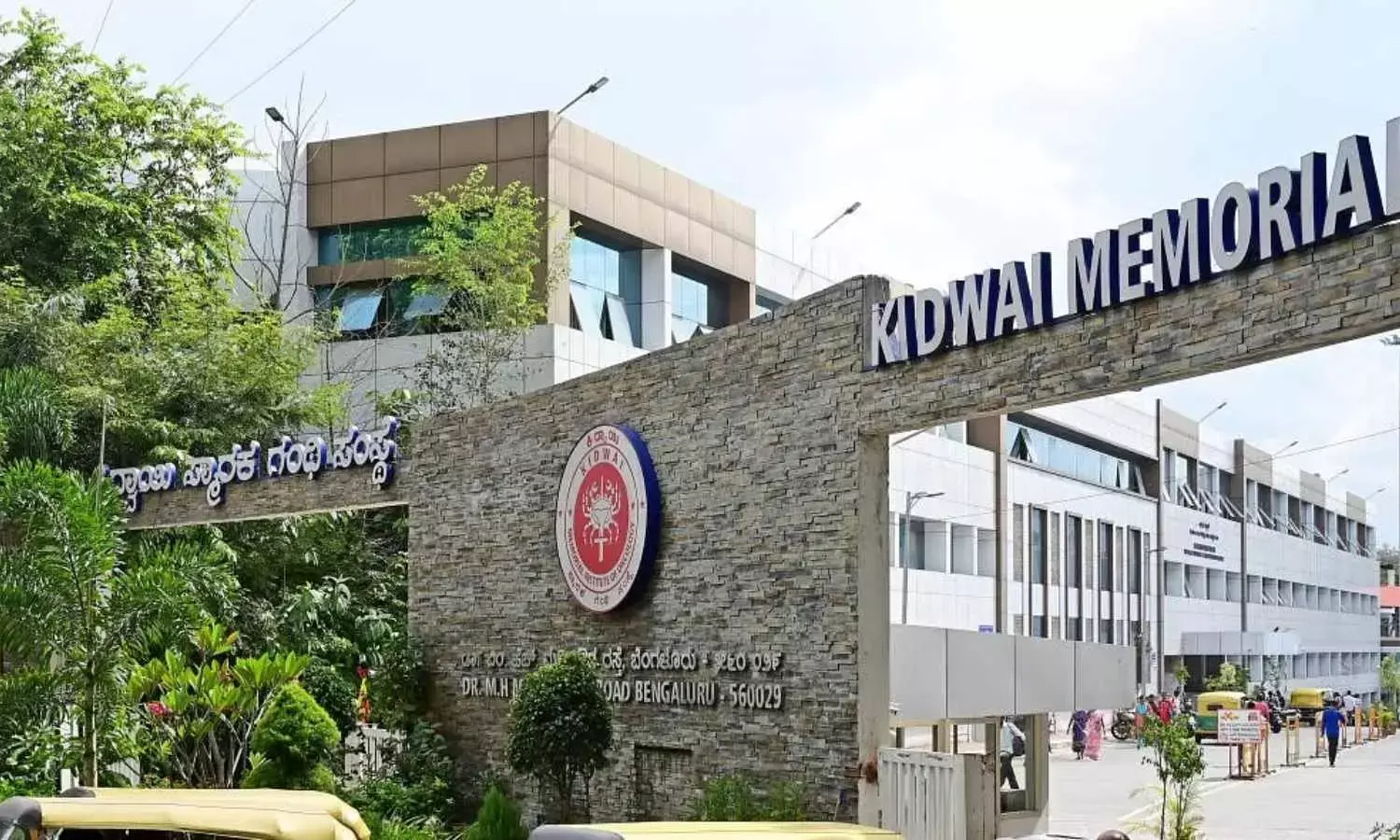
FUTURE SUSTAINABILITY INITIATIVES
KMIO plans to expand its environmental initiatives beyond solid waste management. Measures include reducing the use of single-use plastics, implementing energy-efficient systems, and promoting water recycling within hospital premises. The administration is exploring advanced waste treatment technologies to further minimize ecological impact.
Public health experts noted that hospitals achieving ISO 14001:2015 certification set a benchmark for other healthcare providers. The standard not only ensures regulatory compliance but also instills a culture of environmental responsibility. Experts emphasised that such measures contribute to a healthier city environment and promote sustainable healthcare practices nationwide.
The ISO certification also enables KMIO to integrate environmental considerations into strategic planning. Officials said that environmental risk assessments will now be systematically included in all operational and infrastructural projects, ensuring that patient care expansion does not compromise ecological integrity.
As Karnataka continues to urbanize and healthcare demand grows, initiatives like KMIO’s ISO certification highlight the importance of balancing development with sustainability. The hospital’s commitment demonstrates that environmental responsibility and high-quality medical care can go hand in hand, setting an example for institutions across the State and the country.
Follow: Karnataka Government
Also read: Home | Channel 6 Network – Latest News, Breaking Updates: Politics, Business, Tech & More
