
In a startling incident raising serious concerns about food safety and hygiene, three government officials in Koppal have been suspended after worms were discovered in meals served under a government-run scheme. The alarming discovery, reported from a local institution, has triggered immediate administrative action and intensified calls for stringent quality checks in public food programs. Authorities confirmed that an inquiry has been launched to identify lapses in food preparation, storage, and monitoring protocols.
The incident serves as a wake-up call for policymakers and administrators about the critical importance of food safety in public welfare programs. While immediate action has been taken through suspensions and inspections, experts stress that long-term solutions require systemic reforms, stronger supervision, and continuous training. Ensuring that all meals meet safety standards is essential to protect the health and wellbeing of vulnerable populations across Karnataka.
The incident came to light when recipients of the meals, which were part of a public welfare program, noticed worms in the food. Complaints were promptly lodged with the district administration, and officials conducted on-the-spot inspections. Preliminary reports suggest that lapses in hygiene and storage practices may have contributed to the contamination. The government acted swiftly, suspending three officials responsible for overseeing the meals, pending further investigation.
IMPACT ON PUBLIC TRUST AND GOVERNMENT SCHEMES
The discovery has sparked outrage among local residents and beneficiaries of government meal programs. Questions are being raised about the safety and reliability of food provided through public schemes, which cater to vulnerable populations including schoolchildren, senior citizens, and low-income families. Experts have stressed that maintaining hygiene and monitoring quality are critical to ensure the credibility and effectiveness of such initiatives.
Officials from the Koppal district administration said that immediate corrective measures have been implemented to prevent recurrence. Alternative meal arrangements are being made for beneficiaries while thorough inspections of kitchens, storage facilities, and supply chains are conducted. Authorities emphasised that accountability will be ensured, and any negligence found will be addressed with strict disciplinary action.
ADMINISTRATIVE AND POLICY RESPONSE
The three suspended officials reportedly held key responsibilities in the preparation and distribution of the contaminated meals. The suspensions highlight the government’s zero-tolerance stance on negligence affecting public health. In addition to disciplinary action, officials have been asked to cooperate fully with the ongoing investigation. The district administration is reviewing operational protocols to ensure rigorous oversight in all food programs.
Food safety experts said that this incident underscores the need for systematic monitoring in government-run meal schemes. Regular inspections, temperature-controlled storage, hygienic cooking practices, and prompt reporting of irregularities are essential to prevent contamination. The government is reportedly considering the introduction of more stringent standard operating procedures and training programs for officials handling food services.
PUBLIC HEALTH AND SAFETY CONCERNS
The presence of worms in meals raises immediate public health concerns. Officials have advised beneficiaries who received contaminated food to seek medical attention if they experience any symptoms such as nausea, abdominal discomfort, or vomiting. Health workers have been deployed to provide guidance, and the local health department is conducting awareness campaigns about safe food handling practices.
Parents and guardians have expressed anger over the lapse, particularly in cases where schoolchildren are recipients of the meals. Many have demanded stronger monitoring systems, including CCTV surveillance of kitchens and periodic quality audits. Civil society groups have urged the government to ensure that hygiene standards are non-negotiable and that accountability mechanisms are transparent.
CALLS FOR LONG-TERM REFORMS
Policy analysts believe that isolated incidents like these point to larger structural challenges in the implementation of public food programs. They recommend creating a comprehensive quality assurance framework, including periodic random testing of food, transparent reporting channels, and robust grievance mechanisms. Experts argue that such measures will not only prevent contamination but also restore public confidence in government initiatives.
The Koppal case also highlights the importance of training and sensitisation for officials handling food programs. Many lapses, experts suggest, stem from inadequate awareness of hygiene protocols and poor supervision. The district administration has reportedly initiated plans for mandatory hygiene training sessions, reinforcing the importance of food safety from preparation to distribution.
COMMUNITY AND MEDIA RESPONSE
The incident has drawn widespread attention in local media and on social platforms, prompting citizens to demand accountability and swift action. Community leaders have called for transparent sharing of the inquiry findings and stronger engagement with beneficiaries to rebuild trust. Residents have also urged government authorities to implement monitoring mechanisms that ensure such violations do not recur in future programs.
As the investigation progresses, authorities have pledged to adopt stricter inspection schedules and reinforce food safety standards. The suspended officials face potential disciplinary proceedings, and corrective measures are expected to include more robust supervision and accountability frameworks. For now, the incident serves as a stark reminder of the critical need for vigilance, hygiene, and strict adherence to protocols in public food distribution systems.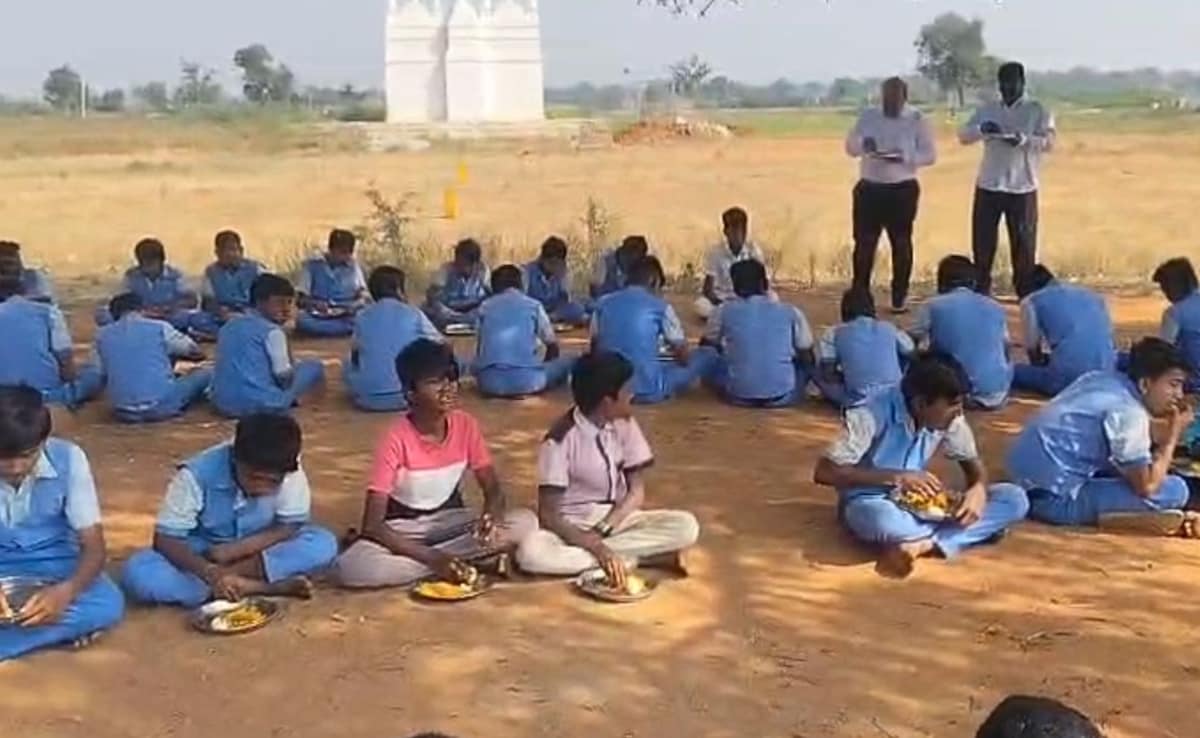
LOOKING AHEAD
The Koppal food contamination case is likely to trigger state-level reviews of similar programs, with officials examining compliance and quality across districts. While suspensions are an immediate measure, experts stress the need for systemic reforms, including independent audits, routine inspections, and technology-enabled monitoring. The hope is that lessons from this episode will lead to long-term improvements in public food safety, safeguarding the health and trust of vulnerable communities.
The incident underscores the responsibility borne by officials in managing government schemes, particularly those that directly affect the wellbeing of citizens. With immediate actions taken and systemic reforms being considered, authorities aim to restore public confidence and ensure that every meal provided under government programs is safe, nutritious, and hygienically prepared.
Officials have also initiated a review of the supply chain for the meals to identify the point of contamination. Preliminary findings indicate that the issue could have arisen either during storage or transportation before reaching the kitchens. Authorities are scrutinising food suppliers, storage facilities, and transportation vehicles to ensure compliance with hygiene standards. Officials emphasised that strict monitoring will continue until systemic issues are resolved and all beneficiaries can be assured safe meals.
Medical experts have been deployed to Koppal schools and institutions affected by the contaminated meals. They are conducting check-ups for recipients and providing guidance on foodborne illness prevention. Parents and caregivers have been advised to monitor children for symptoms like stomach cramps, vomiting, or diarrhoea. The health department has set up a hotline for reporting any health concerns related to the meals.
Civil society groups have criticised the lack of robust monitoring mechanisms in government-run meal schemes. They pointed out that such lapses are often due to inadequate training, low supervision, and outdated protocols. Activists are calling for independent inspections, mandatory certification of kitchens, and real-time reporting systems to prevent similar incidents in the future.
Local media coverage of the incident has intensified public scrutiny, highlighting the negligence and prompting immediate administrative action. News reports have shared visuals and testimonies from beneficiaries, amplifying demands for accountability and stricter oversight. Authorities have responded by promising transparency in the inquiry and timely updates on disciplinary proceedings.
The Karnataka government is reportedly considering introducing stricter regulatory measures for all government-run food programs across the state. Proposals include standardised quality checks, random inspections, and a centralised monitoring system for tracking compliance. Officials hope these reforms will prevent food safety violations and enhance public confidence in government welfare schemes.
Officials have warned other districts to be vigilant and implement preventive measures proactively. Circulars are being sent to all district administrations, emphasising the importance of regular audits, hygiene checks, and rapid response protocols. Authorities hope that this proactive approach will reduce risks and ensure that such lapses do not recur elsewhere.
Community leaders in Koppal have called for greater citizen involvement in monitoring food programs. They suggested forming committees comprising parents, teachers, and local volunteers to oversee preparation and distribution of meals. Such initiatives, they argue, will create accountability and help build trust between beneficiaries and authorities.
The incident serves as a wake-up call for policymakers and administrators about the critical importance of food safety in public welfare programs. While immediate action has been taken through suspensions and inspections, experts stress that long-term solutions require systemic reforms, stronger supervision, and continuous training. Ensuring that all meals meet safety standards is essential to protect the health and wellbeing of vulnerable populations across Karnataka.
The district administration has also announced plans to install surveillance cameras in all government kitchens to ensure compliance with hygiene standards. Officials said real-time monitoring will allow authorities to detect irregularities promptly and take corrective action before meals are distributed. The initiative is being described as a step toward creating a transparent, accountable system for food preparation and delivery.
Food safety experts have suggested introducing third-party audits of government meal programs. Independent agencies can periodically inspect kitchens, storage areas, and transportation channels, providing unbiased reports on hygiene standards. Authorities believe such audits, combined with internal inspections, will significantly reduce the risk of contamination and improve overall food quality.
Training programs for officials handling meal schemes are being strengthened following the incident. Courses on food safety, hygiene practices, and emergency response are being made mandatory. The government hopes that building awareness and capacity among staff will prevent negligence and ensure that meals are safe, nutritious, and prepared under controlled conditions.
Public advocacy groups have called for clear guidelines on penalties for officials found negligent in similar cases. They argue that accountability must be strict, with consequences proportional to the risk posed to public health. Experts note that consistent enforcement of such penalties is essential to deter future lapses in food safety management.
The Koppal incident has also prompted discussions at the state level about modernising meal programs. Proposals include digitising inventory management, using temperature-controlled vehicles for transportation, and introducing standardised meal preparation protocols. Officials and experts agree that adopting technology-driven solutions will enhance efficiency, transparency, and safety in government-run food distribution schemes across Karnataka.
Follow: Karnataka Government
Also read: Home | Channel 6 Network – Latest News, Breaking Updates: Politics, Business, Tech & More
