
Bengaluru, Karnataka – Emphasising the importance of empathy and ethical governance, the Member-Secretary of Karnataka State Legal Services Authority (KSLSA) urged participants at a state-level HIV conclave to respect the dignity and privacy of people living with HIV (PLHIV) and those undergoing antiretroviral therapy (ART). Speaking at the event, the official highlighted that societal stigma, discrimination, and violations of confidentiality remain major obstacles to effective HIV care and prevention. He called for stronger legal safeguards, awareness campaigns, and sensitivity among healthcare providers, administrators, and the public to ensure that the rights and well-being of PLHIV are upheld.
The conclave, attended by healthcare professionals, social workers, policymakers, and representatives of non-governmental organisations, focused on challenges faced by PLHIV in accessing healthcare, employment, and social support. KSLSA’s Member-Secretary stressed that the law mandates protection of privacy and confidentiality in medical records and treatment details, warning that breaches not only violate human rights but also discourage individuals from seeking timely care. He urged authorities and communities to foster an environment free of fear, prejudice, and social exclusion.
KSLSA highlighted the importance of awareness campaigns to reduce societal stigma against people living with HIV. The Member-Secretary stressed that myths and misconceptions often lead to isolation, discrimination, and denial of basic rights. Awareness drives in schools, workplaces, and communities can challenge prejudices, ensuring that PLHIV are treated with respect and empathy. Authorities noted that media, civil society organisations, and public institutions have a role in shaping perceptions, promoting inclusivity, and reinforcing the principle that HIV is a medical condition, not a moral failing, and that dignity and privacy must always be preserved.
Healthcare infrastructure plays a critical role in protecting the rights of PLHIV. KSLSA officials emphasised that ART centers and hospitals must maintain strict confidentiality protocols, including secure patient records, discreet counselling sessions, and private consultation areas. Training of medical and support staff in sensitivity and legal compliance is essential. The conclave highlighted that lapses in privacy, such as public disclosure of HIV status, can cause emotional distress, social ostracism, and loss of employment, discouraging patients from accessing care and ultimately undermining public health goals.
Participants discussed the role of legal mechanisms in addressing violations of PLHIV rights. KSLSA officials explained that individuals who face discrimination or breach of confidentiality have avenues to seek redress through human rights commissions, consumer courts, and civil litigation. Proactive enforcement of laws, coupled with awareness campaigns about legal rights, ensures that PLHIV can assert their entitlements confidently. The Member-Secretary emphasised that empowering patients legally is as critical as providing medical treatment, as both are necessary to uphold dignity and encourage adherence to ART regimens.
The conclave also addressed challenges faced by vulnerable groups, including women, children, and economically disadvantaged individuals living with HIV. Authorities noted that gender-based discrimination and poverty exacerbate barriers to healthcare access. Special measures, such as mobile ART units, financial support, and targeted counselling, were suggested to ensure these groups receive uninterrupted treatment. KSLSA stressed that equitable access to care, combined with legal safeguards and social inclusion programs, is vital for comprehensive HIV management and protection of human rights.
Education emerged as a key tool for combating stigma. KSLSA representatives recommended integrating HIV awareness into school curricula and workplace training programs. Early education can dismantle misconceptions, encourage empathy, and foster a culture of support. Community workshops for parents, employers, and local leaders were proposed to reinforce the importance of confidentiality, non-discrimination, and inclusion. The conclave concluded that public education is not only preventative in nature but also crucial in creating a supportive environment where PLHIV can live without fear of marginalization.
The Member-Secretary stressed that collaborative approaches between government, NGOs, and healthcare institutions are essential. He highlighted successful initiatives where partnerships between legal authorities and civil society resulted in improved adherence to ART and protection of privacy. By combining legal literacy, healthcare guidance, and community support, PLHIV receive holistic care. KSLSA emphasized that fostering such collaborations ensures patients are not just treated medically, but socially empowered, with mechanisms to report violations and access necessary services without prejudice or fear.
Technology was identified as a potential enabler for maintaining patient privacy. Digital health records, encrypted patient data, and telemedicine consultations were discussed as tools to ensure confidentiality while improving access to care. The conclave highlighted that technological solutions can reduce administrative errors, prevent unauthorized disclosure of sensitive information, and improve continuity of care for patients living in remote or underserved areas, reinforcing trust in ART services and health systems overall.
KSLSA officials also underlined the need for monitoring and evaluation of ART centers to maintain standards. Periodic audits, patient feedback mechanisms, and compliance checks were recommended to ensure that facilities respect patient rights. Authorities argued that oversight not only improves service quality but also reinforces accountability among staff, ensuring that breaches of confidentiality or discriminatory practices are addressed promptly. These measures, combined with legal awareness and community sensitisation, form the backbone of a patient-centered HIV care ecosystem.
The conclave highlighted psychosocial support as an integral part of HIV management. Counseling services, peer support networks, and mental health interventions were emphasized to help PLHIV cope with societal stigma, treatment adherence challenges, and emotional stress. KSLSA recommended embedding mental health professionals within ART centers to provide continuous guidance. The Member-Secretary stated that dignified care requires addressing the emotional and psychological well-being of patients alongside medical treatment, ensuring holistic health outcomes.
Finally, KSLSA reaffirmed the state’s commitment to protecting the rights, dignity, and privacy of PLHIV. The Member-Secretary called on healthcare workers, administrators, legal authorities, and community leaders to adopt patient-centric approaches in all HIV-related initiatives. Emphasizing that societal change requires both policy enforcement and cultural transformation, he urged continuous collaboration, awareness-building, and adherence to legal protections. The conclave concluded with a unified message: respect for privacy and dignity is central to effective HIV care, and only through comprehensive, inclusive, and legally guided approaches can Karnataka ensure a safer and more equitable environment for all people living with HIV.
LEGAL SAFEGUARDS AND HEALTHCARE RESPONSIBILITY
The KSLSA official underlined the role of legal frameworks in protecting PLHIV. He highlighted provisions under the HIV and AIDS (Prevention and Control) Act, which safeguard the rights of individuals, prohibit discrimination in workplaces, healthcare, and education, and ensure informed consent for HIV testing and treatment. According to him, the implementation of these laws is critical to creating trust between patients and healthcare systems. Legal awareness among both service providers and communities, he added, strengthens adherence to ethical practices in ART clinics and HIV care centres.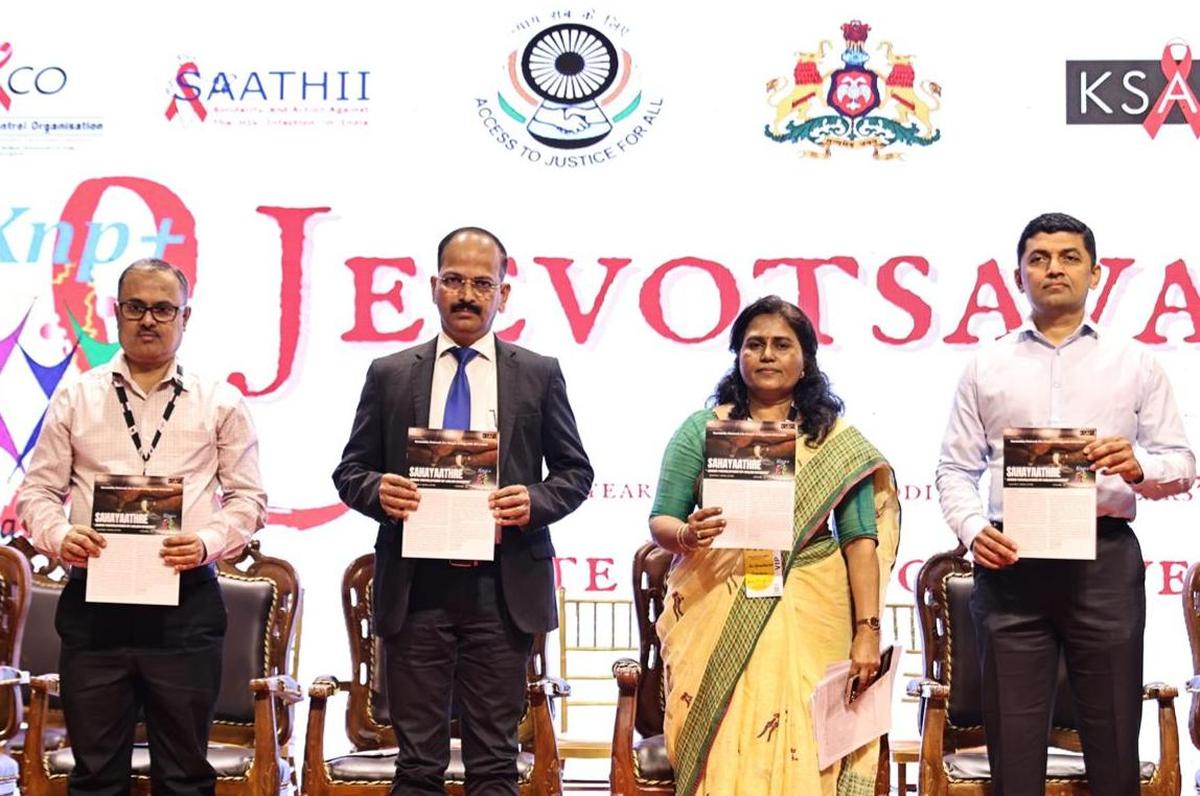
Healthcare professionals at the conclave were reminded of their ethical obligations. The Member-Secretary stressed that ART treatment requires not only medical expertise but also sensitivity to the emotional and social challenges faced by patients. Respecting confidentiality, providing counselling, and addressing misconceptions are as important as prescribing medication. He noted that stigma in hospitals and clinics can deter patients from continuing therapy, undermining national HIV prevention goals. Training programs for staff, he suggested, must include legal, ethical, and psychosocial dimensions of patient care.
COMMUNITY AWARENESS AND INCLUSION
Participants discussed strategies to combat social stigma and misinformation surrounding HIV. KSLSA emphasized the importance of community engagement, awareness campaigns, and education programs to foster inclusion. Families, neighbours, and employers play a crucial role in supporting PLHIV, and sensitisation initiatives can reduce discrimination in workplaces, schools, and public spaces. The conclave highlighted the need for dialogue between legal, medical, and social sectors to create a holistic support system for affected individuals, ensuring they live with dignity and without fear of prejudice or social marginalisation.
The Member-Secretary also noted the role of peer support groups and civil society organisations in empowering PLHIV. These groups provide counselling, advocacy, and awareness, bridging gaps between healthcare providers and communities. He stressed that partnerships between government agencies, NGOs, and legal authorities can strengthen mechanisms to address complaints, prevent harassment, and ensure equitable access to social benefits and healthcare services. Strengthening these networks is essential for achieving the dual goals of health and human rights protection.
GOVERNMENT INITIATIVES AND FUTURE DIRECTIONS
Karnataka’s state government, through KSLSA and the Health Department, has undertaken several initiatives to ensure confidentiality and equitable access to ART. The conclave highlighted measures such as anonymous HIV testing, mobile clinics, and sensitisation workshops for government employees. The Member-Secretary encouraged continued innovation in service delivery, including digital platforms to maintain patient privacy while improving treatment adherence. He called for a sustained focus on legal literacy, healthcare ethics, and community engagement as pillars of Karnataka’s comprehensive approach to HIV management.
Officials reiterated that the success of HIV prevention and care programs depends not just on medical interventions but also on fostering a climate of trust and dignity. The KSLSA representative urged that any policy implementation must be patient-centric, ensuring that human rights are prioritised alongside clinical outcomes. Confidentiality breaches, discrimination, and social exclusion, he warned, could undermine years of progress in HIV awareness and treatment adherence, making the protection of privacy and dignity a cornerstone of public health strategy.
Participants discussed practical solutions to ensure compliance with privacy norms, including staff sensitisation, secure record-keeping, and strict monitoring of ART centres. KSLSA stressed that violations must be addressed promptly through legal mechanisms to reinforce accountability. The conclave also explored collaboration between legal authorities and healthcare providers to facilitate grievance redressal, safeguard patient rights, and promote transparency, all while maintaining trust in medical institutions.
The conclave concluded with a consensus that respect for human rights and dignity must guide all HIV-related interventions. KSLSA’s Member-Secretary emphasised that ART programs succeed not merely through medication but through comprehensive care that integrates medical, psychological, and social support. Protecting patient confidentiality and addressing stigma are crucial for adherence to therapy, improving quality of life, and achieving broader public health goals in the fight against HIV/AIDS.
Officials highlighted that empowering PLHIV requires multi-sectoral collaboration. Education, legal protection, healthcare, and community support must operate in unison to dismantle barriers faced by individuals. KSLSA’s guidance emphasised proactive engagement, monitoring, and advocacy to prevent discrimination and ensure that rights are upheld. The conclave reaffirmed the commitment of Karnataka authorities to create inclusive, respectful, and legally compliant frameworks for all people living with HIV.
The KSLSA Member-Secretary’s address at the conclave serves as a reminder that healthcare delivery extends beyond clinical treatment. Upholding dignity, protecting privacy, and eliminating stigma are central to effective HIV care. Karnataka’s initiatives, guided by these principles, aim to set a standard for other states, demonstrating that legal frameworks, ethical healthcare practices, and community engagement can work together to improve the lives of PLHIV while promoting social equity and inclusion.
Follow: Karnataka Government
Also read: Home | Channel 6 Network – Latest News, Breaking Updates: Politics, Business, Tech & More
