
The Karnataka State Road Transport Corporation (KSRTC) has announced plans to induct 644 new buses into its fleet, a move aimed at strengthening rural connectivity and improving passenger services across the State. Officials said the new buses would primarily serve rural and semi-urban areas, enhancing access to markets, educational institutions, and healthcare facilities. The initiative is part of KSRTC’s broader strategy to modernize operations, reduce travel gaps, and encourage public transport usage in less-connected regions.
Commuters in rural areas have expressed optimism over the fleet expansion, noting that the new buses will ease daily travel for work, education, and medical visits. Many villagers recounted struggles with overcrowded or irregular buses that made commuting unpredictable. Women commuters, in particular, highlighted safety and comfort concerns, saying that the introduction of modern, well-maintained buses will make travel less stressful. Students welcomed the announcement, emphasising that reliable bus services will allow them to reach colleges and coaching centers on time. Farmers also pointed out that better transport access will enable them to sell produce in distant markets without relying on costly private vehicles.
KSRTC officials are implementing measures to ensure the sustainability of the new fleet. Maintenance schedules will be strictly adhered to, with preventive servicing to reduce breakdowns and delays. Technicians and engineers are being trained to handle newer bus models, including those with alternative fuel systems. Special attention will be paid to vehicle hygiene, seating comfort, and onboard safety features. Officials said that fleet management software will track real-time operations, helping dispatchers monitor adherence to schedules and improve overall efficiency. The corporation hopes that these measures will enhance public confidence in KSRTC services and boost ridership across both rural and semi-urban routes.
The expansion is expected to create direct and indirect employment opportunities. KSRTC plans to recruit additional drivers, conductors, and maintenance staff to manage the increased fleet. Training programs are being conducted to ensure that staff are familiar with safety protocols, customer service expectations, and route knowledge. Indirectly, increased bus services are likely to stimulate economic activity in rural areas by enabling better market access for goods and improving connectivity for small businesses. Officials said that employment generation is a key consideration alongside mobility improvements, demonstrating the government’s holistic approach to rural development.
Safety remains a top priority for KSRTC with the fleet expansion. Each new bus will be equipped with features such as GPS tracking, fire extinguishers, and first-aid kits. Drivers will receive training on safe driving, handling emergencies, and navigating challenging rural roads. Officials highlighted that rural routes often have narrow roads, unexpected obstacles, and variable weather conditions, making driver preparedness essential. CCTV cameras installed on select buses will monitor passenger behavior and ensure accountability. KSRTC said that safety measures, combined with regular maintenance, aim to reduce accidents and enhance commuter confidence, particularly for women and school-going students.
The environmental impact of the fleet expansion is also being considered. Several new buses are expected to use cleaner fuels, reducing carbon emissions compared to older vehicles. Officials are exploring electric and hybrid options for high-demand routes as part of a long-term green transport strategy. Environmentalists welcomed the initiative, noting that promoting public transport reduces reliance on private vehicles, lowers traffic congestion, and contributes to air quality improvement. KSRTC has also committed to educating passengers on sustainable travel practices and incentivizing the use of public transport for daily commuting in rural and semi-urban areas.
Community engagement is being emphasised as part of the rollout. KSRTC officials plan to conduct awareness campaigns in villages along the new routes, explaining bus schedules, fare structures, and safety protocols. Feedback mechanisms, including helplines and mobile apps, will allow commuters to report issues and suggest improvements. Officials believe that community participation is critical to ensuring that services meet local needs effectively. By involving residents, KSRTC hopes to create a sense of ownership among passengers, encourage responsible usage of buses, and maintain high standards of service across both rural and semi-urban networks.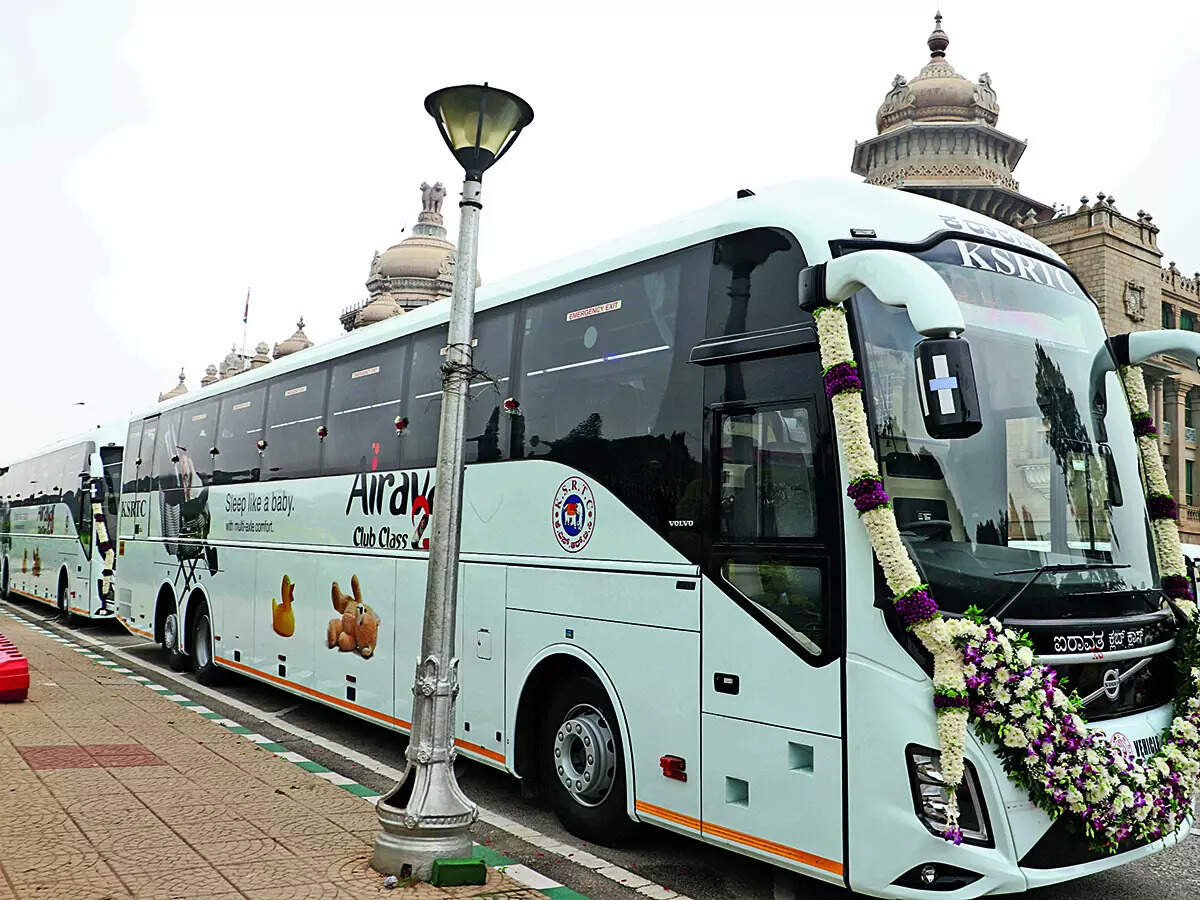
Finally, the induction of 644 new buses represents a strategic step toward bridging Karnataka’s urban-rural mobility divide. Improved transportation access can foster social inclusion, economic opportunity, and educational access for underserved communities. By connecting villages to towns and cities reliably, KSRTC enables residents to pursue employment, education, and healthcare without the barriers of distance or cost. Officials said the initiative reflects the State’s commitment to equitable development, demonstrating that investment in public transport is not just a service improvement but a transformative measure for regional growth. The expanded fleet promises to reshape rural connectivity for years to come.
According to KSRTC authorities, the new buses will include a mix of standard and deluxe services, ensuring that both comfort and affordability are addressed. The addition of 644 vehicles represents one of the largest single expansions of the fleet in recent years, reflecting the government’s commitment to improving rural mobility. Priority routes for these buses have been identified based on passenger demand, connectivity gaps, and economic significance.
The KSRTC management emphasised that rural routes often face challenges such as low passenger volumes, poor road conditions, and limited revenue potential. However, officials said the introduction of new buses is expected to stimulate ridership, provide reliable transport, and support local economies by linking villages with district headquarters and urban centers. Enhanced schedules and improved frequency are anticipated to encourage daily commuting for students, workers, and traders.
Passengers and rural residents have welcomed the announcement, noting that transport shortages often disrupt education, employment, and access to essential services. Many villagers said that prior to this expansion, buses were infrequent and overcrowded, forcing people to rely on private vehicles or informal transport services, which are often costlier and less safe.
MODERNIZATION AND FOCUS ON RURAL MOBILITY
KSRTC officials indicated that the new fleet would be equipped with modern amenities such as comfortable seating, better suspension systems for long-distance travel, and enhanced safety features including CCTV cameras and GPS tracking. Some buses are expected to run on alternative fuels, aligning with the State’s environmental objectives and reducing carbon emissions from public transport.
The expansion aligns with Karnataka’s broader rural development agenda, which emphasizes transport as a key enabler of economic growth. Reliable bus services can facilitate agricultural trade, improve access to healthcare, and allow residents to reach employment hubs without the need for costly personal transport. Experts argue that such measures also help reduce migration pressures on cities by improving rural livelihoods.
Authorities said that recruitment and training of additional drivers, conductors, and maintenance staff are being planned alongside the fleet expansion. Special attention will be given to driver safety, route familiarization, and customer service training. Officials noted that adequate human resources are critical to ensuring the success of the new services, particularly in remote and challenging terrain.
Public transport advocates have praised KSRTC’s move as a step toward bridging the urban-rural mobility divide. They pointed out that long-standing gaps in rural transport contribute to social and economic inequities. The induction of new buses is expected to reduce travel times, lower transportation costs, and promote greater inclusivity for residents of remote areas.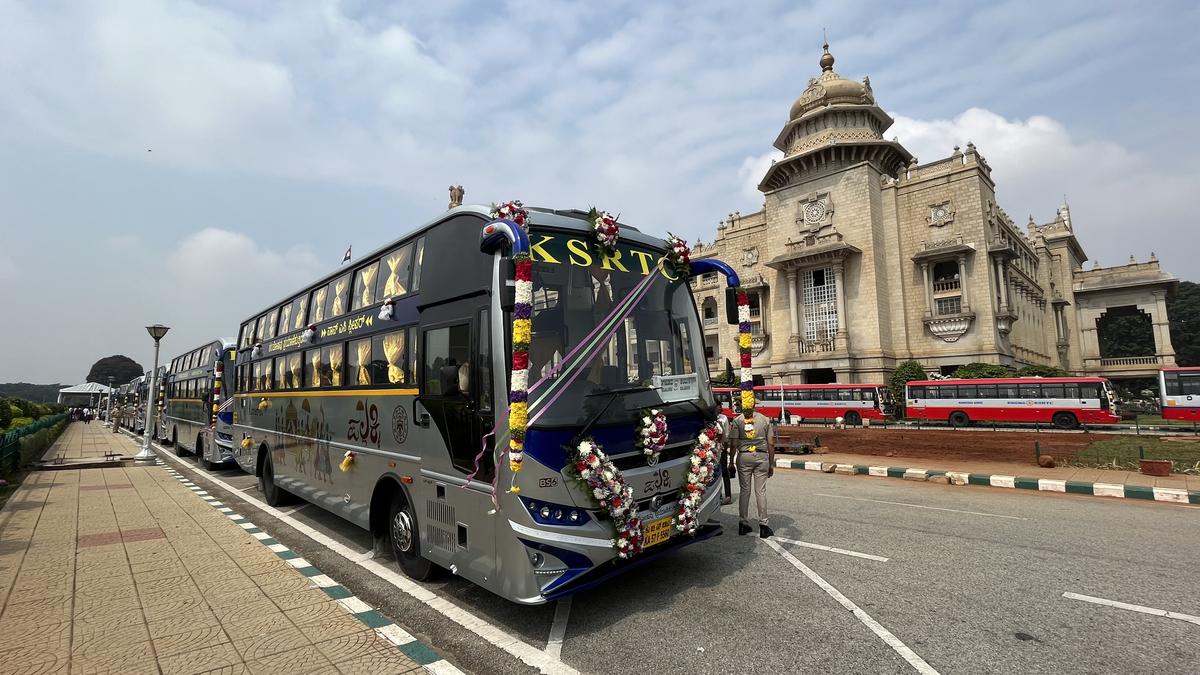
ECONOMIC AND SOCIAL IMPACT
The expansion is likely to have significant economic implications for both KSRTC and the communities it serves. Increased ridership can enhance revenue collection for the corporation, while also creating employment opportunities related to vehicle operation, maintenance, and administrative functions. In addition, better transport links enable local businesses to expand their reach and improve supply chain efficiency.
For students and workers in rural areas, the new buses are expected to provide consistent and reliable access to schools, colleges, and workplaces. Officials noted that many students currently face difficulties attending educational institutions due to irregular or overcrowded buses, which affects attendance and academic performance.
Farmers in villages connected by these new routes are also likely to benefit, as the improved transport network facilitates easier access to markets for agricultural produce. Traders and small-scale entrepreneurs are expected to see improved logistics, allowing them to transport goods more efficiently and reach larger customer bases.
Environmental experts welcomed the move, particularly for the inclusion of buses running on cleaner fuel alternatives. By reducing reliance on private vehicles, the new fleet could help lower air pollution in rural and peri-urban areas. Officials indicated that future expansions may further prioritize sustainable transport solutions, including electric buses on high-demand rural routes.
Public feedback mechanisms are being strengthened as part of the rollout. KSRTC plans to collect passenger suggestions on scheduling, route efficiency, and service quality. Officials emphasised that citizen feedback will play a key role in shaping future expansions and modifications to routes, ensuring services meet local needs effectively.
CHALLENGES AND FUTURE OUTLOOK
While the expansion has been widely welcomed, officials acknowledge challenges in implementation. Rural roads in some districts remain in poor condition, requiring infrastructure improvements to ensure safe and timely bus operations. Maintenance facilities and fuel stations are being upgraded to support the larger fleet, particularly in remote locations.
Experts note that consistent service delivery, even with an expanded fleet, requires careful planning to address seasonal variations in demand, weather disruptions, and vehicle wear and tear. KSRTC officials assured that preventive maintenance and route monitoring systems will be strengthened to minimise service interruptions.
The initiative is also expected to inspire broader policy discussions on rural mobility and public transport investment. Analysts suggest that sustained improvements in bus services could reduce dependence on private transport, enhance road safety, and support economic growth by improving labor mobility.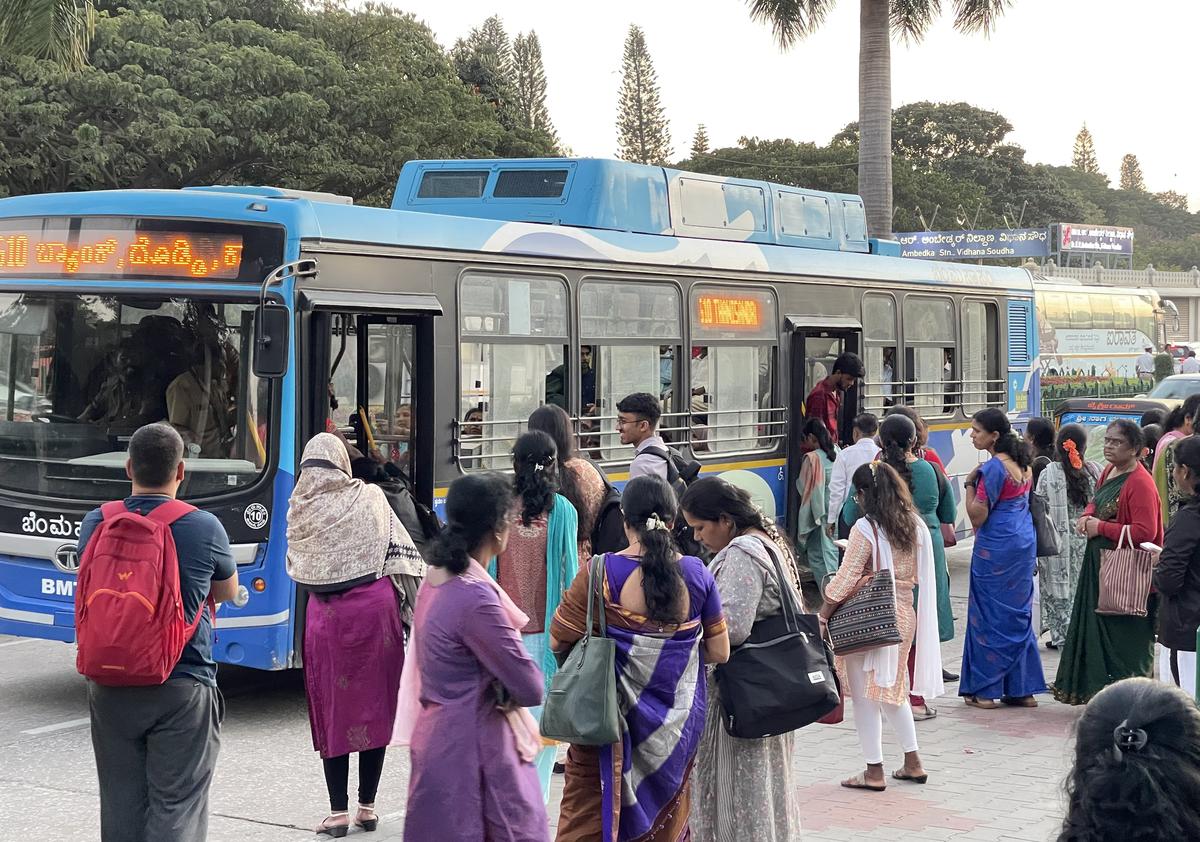
Authorities emphasised that the induction of 644 buses is just the beginning, with plans to continue modernizing the fleet and expanding rural connectivity. Long-term strategies include integrating digital ticketing, real-time tracking, and mobile apps to provide commuters with convenient, reliable information.
As Karnataka’s rural transport network strengthens, the expanded KSRTC fleet promises to improve accessibility, promote economic opportunity, and enhance the quality of life for residents across the State. For thousands of villagers and commuters, the new buses represent more than a ride—they signal better access to education, healthcare, and livelihoods, bridging the gap between rural communities and urban centers.
The initiative underscores the government’s commitment to equitable development, demonstrating that strategic investment in public transport is critical to ensuring that no part of the State remains isolated or underserved. By improving rural mobility, KSRTC is poised to play a key role in fostering inclusive growth and sustainable development in Karnataka.
Follow: Karnataka Government
Also read: Home | Channel 6 Network – Latest News, Breaking Updates: Politics, Business, Tech & More
