
The Karnataka State Road Transport Corporation (KSRTC) has intensified its enforcement drive against ticketless travel, penalising over 4,300 passengers across the State in a recent operation. Officials said the crackdown was aimed at curbing revenue leakage, ensuring fare compliance, and promoting fairness among commuters who regularly purchase valid tickets. The drive involved surprise inspections by checking squads across major routes, bus stands, and long-distance services, with a focus on both urban and rural sectors.
Revenue Protection and Financial Sustainability
KSRTC officials say the crackdown on ticketless travel is primarily driven by the need to protect revenue streams critical for daily operations. Fare evasion, even in small numbers, accumulates into significant losses over time, affecting fuel procurement, vehicle maintenance, and staff payments. With rising operational costs, transport authorities argue that strict enforcement is unavoidable. Officials emphasise that every unpaid ticket directly weakens the corporation’s ability to improve services, add new routes, and maintain punctuality, making passenger compliance a key pillar of public transport sustainability.
Targeted Checks on High-Risk Routes
The recent enforcement drive focused on routes known for frequent violations, including long-distance inter-district services and high-density urban corridors. KSRTC sources said past data helped identify locations and timings where ticketless travel was common. Surprise inspections were carried out to prevent advance warnings, ensuring genuine compliance checks. Transport planners believe such data-driven enforcement improves efficiency and avoids unnecessary inconvenience to regular commuters, while sending a strong message to habitual offenders who exploit gaps in routine checks.
Role of Conductors and On-Board Staff
Conductors play a frontline role in preventing ticketless travel, but often face resistance or verbal confrontations from passengers. KSRTC officials said the enforcement drive reinforced the authority of on-board staff, assuring them of institutional backing. Training sessions are also being planned to help conductors handle disputes calmly and lawfully. Staff representatives say consistent enforcement reduces pressure on individual conductors, as passengers are less likely to argue when inspections are regular and penalties are uniformly imposed.
Passenger Awareness and Behaviour Change
KSRTC maintains that enforcement alone is not the solution and must be paired with awareness. During inspections, many passengers were reportedly informed about fare rules, penalties, and ticketing options. Officials believe repeated messaging can gradually change commuter behaviour. Transport experts note that when passengers understand how fare evasion affects service quality, compliance improves. Educational efforts, they say, are essential to shift public perception from viewing penalties as punishment to seeing them as part of a fair system.
Digital Ticketing as a Preventive Tool
The corporation is increasingly promoting digital ticketing to reduce disputes and unintentional violations. Mobile ticketing apps, QR-based passes, and electronic validation systems are seen as tools to minimise human error and fare evasion. KSRTC officials say wider adoption of digital systems can improve transparency and speed up checks. However, experts caution that digital literacy and access gaps must be addressed to ensure rural and elderly passengers are not disadvantaged.
Legal Framework and Penalty Enforcement
Ticketless travel is a punishable offence under transport regulations, and KSRTC has reiterated its commitment to enforcing existing laws. Officials clarified that penalties are imposed only after verification, following due process. Legal experts argue that consistent enforcement strengthens the credibility of public institutions. When rules are applied selectively, compliance weakens. Uniform penalty enforcement, they say, not only deters violations but also reinforces respect for public transport regulations among commuters.
Mixed Public Response to the Crackdown
Public reaction to the drive has been divided. Many regular commuters welcomed the action, saying it discourages unfair practices and protects honest passengers. Others raised concerns about harsh penalties for minor or genuine mistakes. KSRTC officials responded by stating that inspectors have been instructed to differentiate between deliberate evasion and accidental lapses. Balancing firmness with fairness, authorities say, is essential to maintain public trust while enforcing discipline.
Impact on Service Quality
Transport analysts believe that improved fare compliance can directly enhance service quality. Increased revenue allows KSRTC to invest in cleaner buses, better maintenance, and improved passenger amenities. Officials argue that passengers often demand better services without recognising the financial implications of fare evasion. By reducing ticketless travel, the corporation hopes to reinvest recovered revenue into operational improvements that benefit commuters across the State.
Future Enforcement Strategy
KSRTC plans to continue enforcement drives at regular intervals rather than treating them as one-time actions. Officials said inspection data would be reviewed to refine strategies and identify emerging patterns. Randomised checks, combined with technology-driven monitoring, are expected to form the backbone of future enforcement. Authorities believe predictable enforcement loses effectiveness, while sustained and varied checks help establish long-term compliance among passengers.
Public Cooperation as the Key Factor
Ultimately, KSRTC officials stress that public cooperation is vital for the success of any enforcement initiative. A public transport system, they argue, functions efficiently only when passengers respect rules and share responsibility. The recent crackdown, penalising over 4,300 ticketless travellers, is being positioned not just as a punitive measure but as a reminder of collective accountability. Officials hope that sustained awareness and enforcement will foster a culture of fairness and responsibility among commuters.
According to KSRTC officials, ticketless travel continues to be a persistent challenge despite repeated awareness campaigns. Inspections revealed passengers travelling without tickets, using expired passes, or occupying reserved seats without valid authorisation. Officials noted that such practices not only affect the corporation’s revenue but also place an unfair burden on honest commuters. The penalties imposed during the drive are expected to act as a deterrent and reinforce the importance of fare discipline.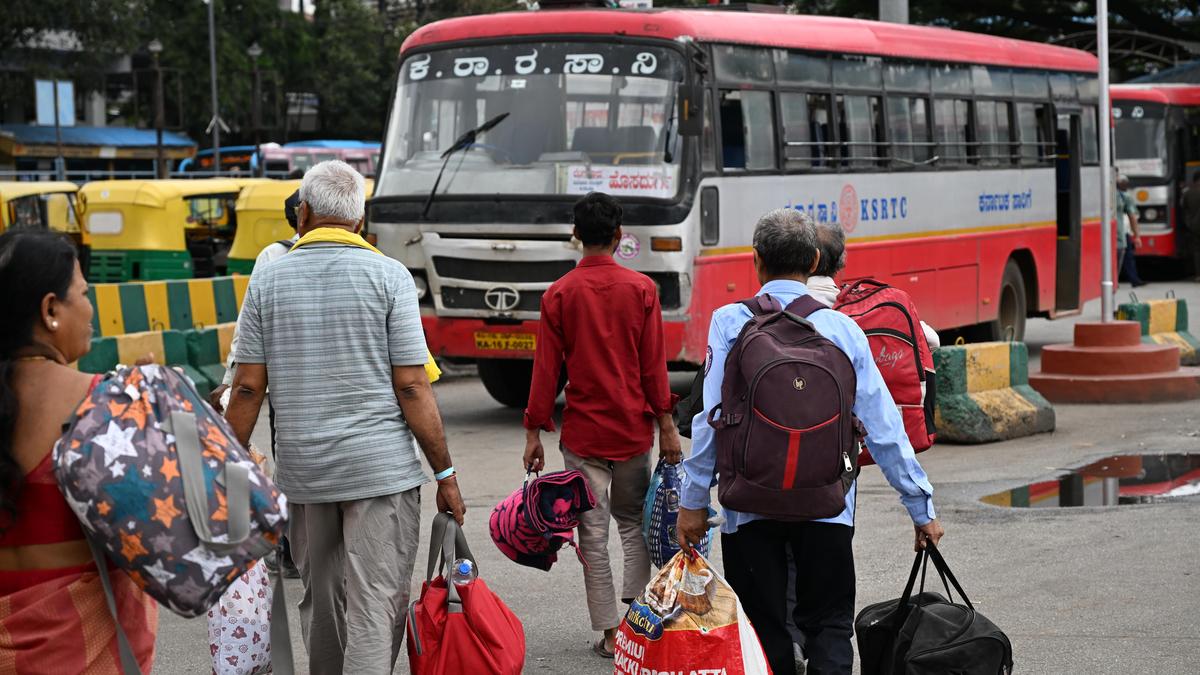
KSRTC sources said that enforcement teams were deployed strategically during peak travel hours, festivals, and high-footfall routes. The inspections covered ordinary, express, and premium services, ensuring uniform enforcement across categories. Officials stressed that the objective was not merely to penalise but to educate passengers about their responsibilities. Many passengers were reportedly counselled on fare rules and the consequences of violations during the checks.
The transport corporation highlighted that ticketless travel significantly impacts its financial health. Revenue losses from fare evasion affect maintenance, fleet expansion, and service quality. Officials explained that KSRTC operates under tight financial constraints, and compliance by passengers plays a crucial role in sustaining operations. Ensuring fare collection, they said, directly contributes to better services, improved safety standards, and timely payments to staff.
Passenger reactions to the crackdown have been mixed. While some commuters welcomed the move, stating that strict enforcement discourages unfair practices, others expressed concerns over occasional misunderstandings related to ticketing or pass validation. KSRTC officials responded by stating that staff have been instructed to exercise discretion and verify cases carefully before imposing penalties, ensuring genuine errors are distinguished from deliberate evasion.
The Karnataka State Road Transport Corporation (KSRTC) has intensified its enforcement drive against ticketless travel, penalising over 4,300 passengers across the State in a recent operation. Officials said the crackdown was aimed at curbing revenue leakage, ensuring fare compliance, and promoting fairness among commuters who regularly purchase valid tickets. The drive involved surprise inspections by checking squads across major routes, bus stands, and long-distance services, with a focus on both urban and rural sectors.
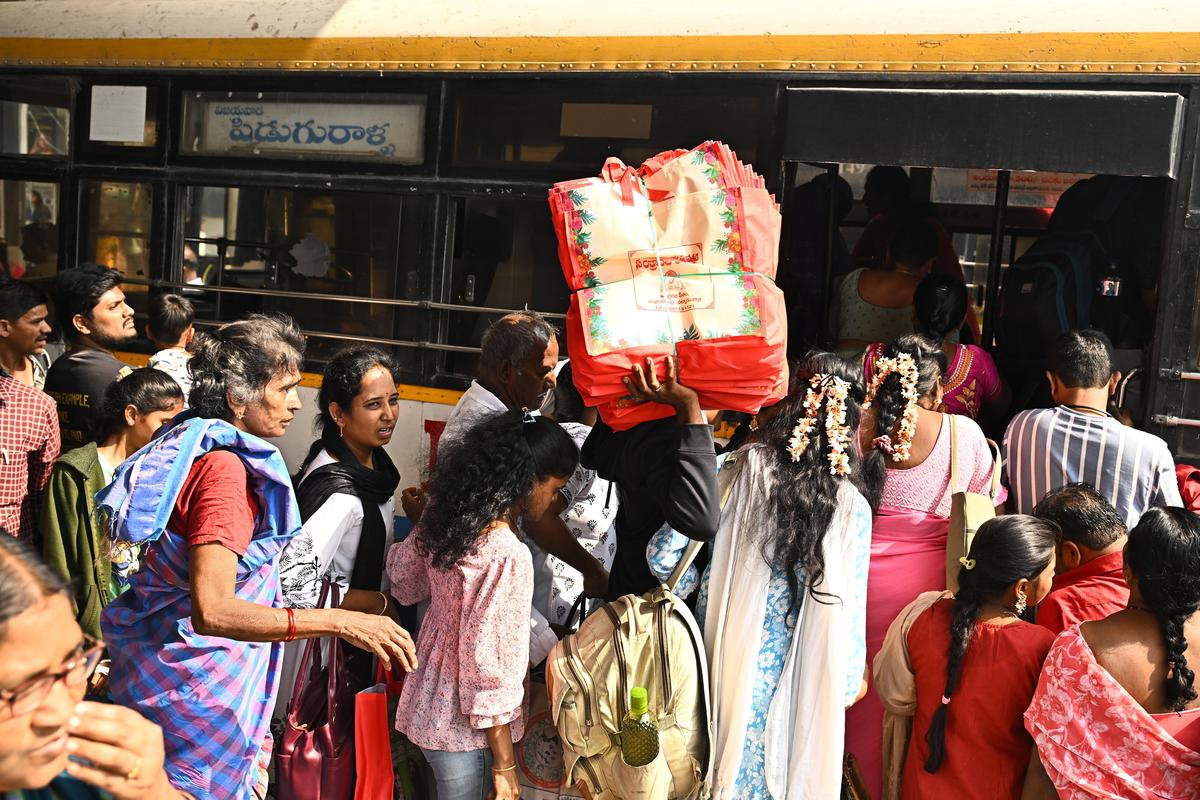
Transport experts have supported KSRTC’s initiative, noting that fare compliance is essential for public transport sustainability. They argue that consistent enforcement, combined with user-friendly ticketing options, can significantly reduce violations. Experts also suggest that regular drives, rather than sporadic checks, help establish a culture of compliance among commuters and reduce repeat offences over time.
The crackdown on ticketless travel, penalising over 4,300 passengers, signals KSRTC’s renewed focus on financial discipline and service sustainability. Officials emphasised that public cooperation is essential for maintaining an efficient transport system. By combining enforcement with awareness and improved ticketing systems, KSRTC aims to ensure equitable, reliable, and financially viable public transport for commuters across Karnataka.
KSRTC has also been promoting digital ticketing and pass systems to minimise disputes and errors. Officials said that increased adoption of mobile ticketing and QR-based passes can reduce instances of ticketless travel and improve transparency. Awareness campaigns are being planned to familiarise passengers with digital options, especially in semi-urban and rural areas where adoption remains limited.
Employee unions within KSRTC have welcomed the enforcement drive, stating that fare evasion directly affects the corporation’s ability to maintain buses and improve working conditions. Union representatives said conductors often face challenges when dealing with ticketless passengers and welcomed institutional support through inspection drives. They added that consistent enforcement also strengthens the authority of on-board staff.
KSRTC officials indicated that similar drives will continue periodically across the State. Data from inspections will be analysed to identify high-risk routes and timings, allowing targeted enforcement. The corporation also plans to review penalty structures and operational procedures to ensure fairness and effectiveness, while maintaining commuter trust.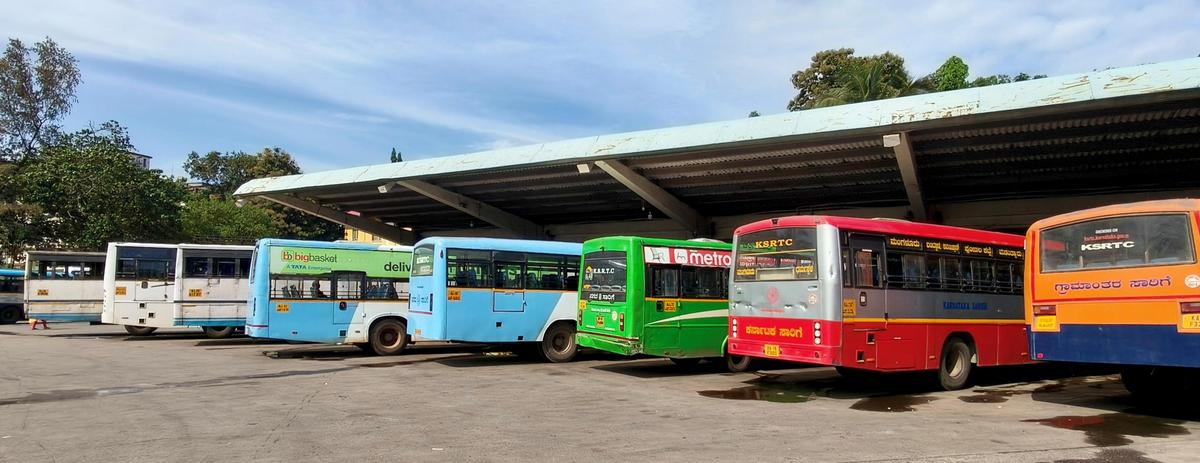
The crackdown on ticketless travel, penalising over 4,300 passengers, signals KSRTC’s renewed focus on financial discipline and service sustainability. Officials emphasised that public cooperation is essential for maintaining an efficient transport system. By combining enforcement with awareness and improved ticketing systems, KSRTC aims to ensure equitable, reliable, and financially viable public transport for commuters across Karnataka.
Follow: Karnataka Government
Also read: Home | Channel 6 Network – Latest News, Breaking Updates: Politics, Business, Tech & More
