
Residents of the labour colony in Kudremukh, frustrated by years of neglect and repeated appeals that went unanswered, have taken matters into their own hands by repairing a key internal road that had deteriorated beyond use. The stretch, critical for daily movement, school access, medical emergencies, and transport of essential goods, had become nearly impassable. Potholes, waterlogging, and erosion had turned the road into a hazard, especially during monsoon months. The community’s decision to carry out repairs collectively has brought attention to the long-standing issues of civic neglect, delayed developmental work, and lack of institutional accountability in the region.
Background
The colony is home to workers, daily-wagers, and families who depend heavily on the road for their everyday needs. Over the years, residents raised multiple complaints with local authorities, requesting immediate action to restore the damaged stretch. However, despite assurances, no significant repair work was initiated. As the condition worsened, residents struggled with mobility, with school buses avoiding the route and ambulances often unable to reach homes on time. The persistent inaction gradually pushed the community toward a collective decision: repair the road themselves using locally pooled funds and voluntary labour from within the colony.
Community-Led Initiative Begins
Faced with the absence of government intervention, the residents organised a meeting to chalk out an action plan. Contributions were collected from each household, depending on their capacity, to purchase basic materials such as gravel, cement, and tools. Local youth volunteered to take up physically demanding work, while older residents helped coordinate logistics and meals. The collective effort ensured that the repair work stayed uninterrupted. Over several days, volunteers filled potholes, levelled surfaces, and created drainage channels to prevent further water accumulation. The initiative also brought a renewed sense of unity and purpose among the residents.
Struggles During Repair Work
The task was far from easy. The colony had limited access to equipment typically required for road work. Heavy machinery, which would normally be supplied by government agencies or contractors, was unavailable. Residents depended entirely on manual labour and improvised tools. Transporting construction material up steep and uneven stretches further complicated the process. Frequent rainfall in the region washed away loose mud, forcing volunteers to redo certain sections. Yet, motivated by collective frustration and determination, the community continued until the surface was firm enough for vehicles to pass safely.
Government Inaction and Public Frustration
The residents’ decision has reignited frustration about the prolonged lack of response from authorities. Many expressed disappointment that repeated petitions, written complaints, and verbal requests failed to prompt even a temporary solution. While officials occasionally inspected the road and acknowledged the poor condition, no permanent work order was issued. For the residents, the absence of timely intervention felt like a reflection of systemic neglect. Some noted that the colony had not seen major infrastructural upgrades for years, despite its growing population and the continuous need for reliable roads.
Impact on Daily Life
Before the repairs, the damaged road severely disrupted the residents’ daily routines. Autos and taxis often refused to enter the colony, citing damage to their vehicles. School-going children had to walk long distances to reach the main road, especially during monsoon. Delivery of essential items such as groceries, LPG cylinders, and medical supplies was frequently delayed. The situation became particularly worrying for elderly residents and those with health issues, as emergency vehicles struggled to reach homes on time. The repair work has brought immediate relief, though residents emphasise that a community-led fix can only be temporary.
Calls for Accountability
Following the self-initiated repairs, community leaders have once again urged the gram panchayat and relevant public works departments to take responsibility. They argue that while the temporary fix has made the road usable, professionally executed repairs are essential to ensure long-term safety. Residents demand a clear timeline for the government to begin comprehensive restoration work. Some have suggested appointing a monitoring committee to track the progress of civic works, while others advocate for regular inspections to prevent roads from deteriorating to such an extent in the future.
Safety Concerns and Need for Permanent Solutions
Even after the successful community effort, experts warn that professionally engineered roads require proper foundation layers, drainage planning, and surface sealing—elements that cannot be replicated through manual patchwork. Without these, the repaired section may again deteriorate within months, especially during heavy rainfall. The residents have stressed that they do not want their initiative to be seen as a substitute for government responsibility. Their effort, they say, was driven by necessity and safety concerns, not by an intention to take over public infrastructure duties that rightfully belong to the authorities.
Political Reactions and Public Debate
The incident has sparked debate among local political leaders, with some acknowledging the community’s spirit while others criticise the government’s failure to deliver basic amenities. Opposition representatives argue that the situation highlights administrative inefficiency and lack of prioritisation of rural infrastructure. In contrast, local officials have claimed that budgetary constraints and pending project approvals delayed the repairs. Residents, however, remain unconvinced and highlight the urgency that was ignored. The situation has brought renewed attention to grassroots-level governance and the challenges faced by remote communities.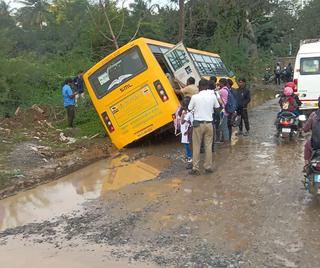
Role of Local Organisations
Several local welfare groups extended support to the colony residents by providing tools, drinking water, and snacks during the repair work. Youth associations helped coordinate volunteer schedules, ensuring that the work continued smoothly throughout the day. Some groups also documented the process to bring visibility to the issue, hoping that spreading awareness would pressure authorities into action. Their involvement reflects the growing reliance on community networks in areas where institutional support is slow or inconsistent, signalling a broader shift toward citizen-driven problem solving in neglected regions.
Environmental Challenges of the Region
Kudremukh’s terrain, known for its hilly landscape and heavy annual rainfall, makes road maintenance particularly demanding. The soil erosion caused by monsoon showers frequently damages unpaved or partially paved roads. Residents argue that these environmental conditions require more robust and timely interventions from the authorities. Without proper drainage and regular reinforcement, even newly paved roads can degrade rapidly. The colony’s experience underscores the need for specialised engineering solutions tailored to the region’s climate, rather than temporary repairs that fail to withstand seasonal wear.
Human Stories from the Colony
Behind the broader narrative are individual stories that illustrate the daily hardships caused by civic neglect. Parents recall carrying their children across muddy stretches to catch school buses. Drivers describe how their vehicles suffered frequent breakdowns. Shopkeepers mention the difficulty of transporting goods, which affected their business. Elderly residents speak of the fear of medical emergencies going unattended. These personal accounts collectively highlight why the community felt compelled to intervene. For many, contributing to the repair effort was not merely voluntary—it was essential for survival and dignity.
Economic Implications
Infrastructure issues such as damaged roads can significantly affect the economic stability of labour colonies. Residents often commute to nearby towns for work, and poor road connectivity limits job opportunities. Auto drivers and delivery workers in the colony reported loss of earnings due to vehicle damage and increased travel time. Traders relying on timely supply of goods experienced irregularities that hurt their business. By temporarily fixing the road, the community has helped stabilise local economic activity, though sustainable solutions require consistent government investment and long-term planning.
A Model of Community Resilience
Despite the adversity, the colony’s initiative is being hailed as a symbol of resilience and collective responsibility. Their effort demonstrates how communities can mobilise resources, organise labour, and implement solutions when faced with prolonged delays. Social workers note that such initiatives foster cooperation and strengthen community bonds. However, they caution that while citizen participation is admirable, it should not become the norm for essential services. Community-driven repair work should serve as a wake-up call for authorities to improve responsiveness, not a justification for outsourcing core civic duties to residents.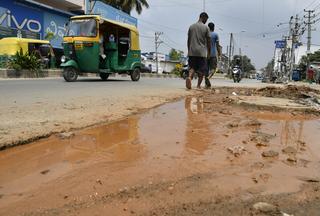
Renewed Appeals to Authorities
Following the completion of the temporary repairs, residents submitted a fresh memorandum to local authorities, documenting the entire process and the urgency behind it. They have requested an immediate site inspection and allocation of funds for a professionally constructed road. The memorandum also seeks clarity on timelines for future maintenance. Residents warn that ignoring the issue again could lead to repeated crises, forcing the community to rely on unsustainable measures. They hope the visibility generated by their efforts will finally push civic agencies to act with seriousness.
Comparisons With Other Regions
The situation in Kudremukh is not isolated. Several rural and semi-urban pockets in Karnataka have witnessed similar community-led initiatives after prolonged government inaction. In some regions, residents repaired bridges, cleared blocked drains, or restored pathways on their own. These instances point to a broader pattern where delays in administrative decision-making compel communities to intervene. Analysts argue that such recurring issues indicate the need for structural reforms in planning, fund allocation, and execution of basic infrastructure projects, especially in regions vulnerable to environmental erosion.
Long-Term Expectations
Residents believe that sustained government attention is crucial to ensuring that their colony does not continue to face cycles of neglect. They hope for regular monitoring, transparent updates on public works, and meaningful dialogue with officials. Some have suggested setting up a local grievance redress mechanism that allows complaints to be tracked and addressed without delay. Others advocate for community participation in decision-making, arguing that residents have firsthand knowledge of their local infrastructure needs. Overall, the expectation is for collaborative governance built on accountability and respect.
Conclusion
The labour colony residents of Kudremukh have demonstrated remarkable determination by repairing their road after years of unfulfilled promises from authorities. Their effort provides immediate relief but also exposes systemic issues surrounding civic responsiveness, rural infrastructure, and administrative delays. While the community’s spirit is commendable, sustainable change depends on prompt government intervention and long-term infrastructural planning. The incident stands as both a testament to collective action and a reminder of institutional responsibilities. Residents now await meaningful follow-through from authorities to ensure that their temporary fix becomes the starting point for permanent improvement.
Follow: Karnataka Government
Also read: Home | Channel 6 Network – Latest News, Breaking Updates: Politics, Business, Tech & More
