
The Republic Day flower show at Lalbagh in Bengaluru has once again captivated the public, recording over 8 lakh visitors and generating revenue of ₹2.75 crore, authorities reported. The annual event, known for its vibrant floral displays, themed gardens, and horticultural innovations, continues to attract visitors from across Karnataka and neighbouring states. The massive turnout reflects the enduring popularity of Lalbagh as a cultural and recreational hub, as well as the public’s enthusiasm for horticulture and nature-based festivities. Organizers described the exhibition as a celebration of creativity, biodiversity, and national pride, timed to coincide with the Republic Day week.
The show featured elaborate arrangements of seasonal flowers, bonsai exhibits, and thematic installations highlighting environmental awareness and sustainable gardening. Decorative motifs and artistic landscapes were carefully curated to showcase both traditional floral artistry and contemporary horticultural trends. Visitors, including families, students, and tourists, were seen marveling at the diversity of flowers, capturing photographs, and participating in guided tours. The Lalbagh Botanical Garden authorities emphasized that the event serves not only as entertainment but also as an educational platform, fostering appreciation for plant varieties, gardening techniques, and ecological balance.
In addition to floral displays, the exhibition included competitions, workshops, and live demonstrations. Gardening enthusiasts had opportunities to learn about organic farming, pest management, and landscaping innovations. Students and young visitors engaged in interactive sessions on plant conservation and environmental stewardship. Organizers noted that the blend of visual splendor and informative content contributed to the high visitor engagement, with people spending hours exploring the themed sections. The show also highlighted efforts to incorporate eco-friendly practices in event management, including waste reduction and responsible resource use.
ECONOMIC AND TOURISM IMPACT
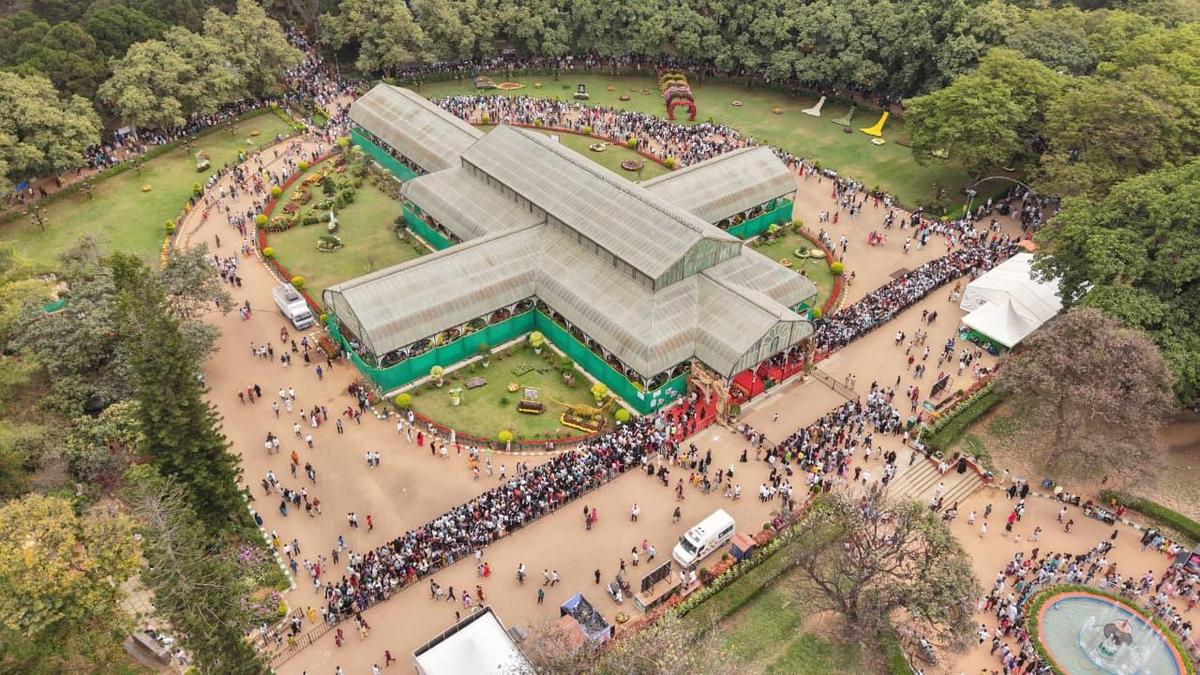
The Lalbagh flower show’s success has a significant economic dimension. With over 8 lakh attendees, ticket sales, food stalls, souvenir shops, and related services contributed to revenue of ₹2.75 crore. Local vendors, florists, and small businesses benefited from the inflow of visitors, reflecting the event’s role as a booster for micro and small enterprises. Tourism experts point out that the flower show complements Bengaluru’s wider tourism calendar, attracting visitors during the Republic Day period and extending the city’s reputation as a destination for cultural and recreational experiences.
Authorities have observed that the show enhances civic engagement and community participation. Horticultural clubs, local schools, and cultural organizations actively contribute to displays and competitions, creating a sense of ownership and pride. Volunteers assist in guiding visitors, maintaining exhibits, and ensuring smooth operations. Officials emphasized that such involvement strengthens awareness of plant conservation and gardening culture, fostering a lasting impact beyond the duration of the show.
The exhibition also showcased innovations in floriculture and landscape design. Growers and horticulturists displayed hybrid plants, rare species, and creative arrangements demonstrating modern gardening techniques. Expert talks and demonstrations provided insights into plant breeding, soil health, and sustainable landscaping practices. Organizers highlighted that these features encourage knowledge-sharing and inspire visitors to apply horticultural ideas in their homes and communities.
CULTURAL CELEBRATION AND COMMUNITY ENGAGEMENT
The Lalbagh flower show has long been intertwined with Bengaluru’s cultural identity. The Republic Day theme underscores national pride, with arrangements symbolizing heritage, patriotism, and unity. Children’s sections featured motifs of national symbols, eco-friendly themes, and miniature landscapes, while larger installations showcased the State’s flora alongside creative interpretations of historical and cultural icons. The integration of artistic expression and horticulture makes the show a multi-sensory experience, appealing to audiences of all ages.
Community engagement has been a cornerstone of the event. Students, gardeners, and local artists actively contribute to designing displays, creating a collaborative platform that blends creativity with horticulture. Competitions in flower arrangement, bonsai, and terrarium design encourage participants to showcase skill and imagination. Organizers highlighted that nurturing local talent through the show fosters both cultural pride and environmental awareness, creating a sustainable model of public engagement.
The revenue generated has enabled authorities to reinvest in garden maintenance, plant procurement, and future event planning. Organizers stressed that the financial success ensures continued investment in the Lalbagh Botanical Garden, enhancing infrastructure, educational programs, and visitor facilities. The flower show not only celebrates natural beauty but also supports the operational sustainability of one of India’s most iconic botanical institutions.
Visitors’ feedback indicated widespread satisfaction with the experience. Many praised the creativity, scale, and diversity of the displays, noting that the event offered both visual delight and educational value. Families appreciated the child-friendly exhibits, while horticulture enthusiasts found inspiration in innovative gardening techniques. Officials reported that crowd management, ticketing, and safety protocols were effectively implemented, contributing to a smooth experience despite the large turnout.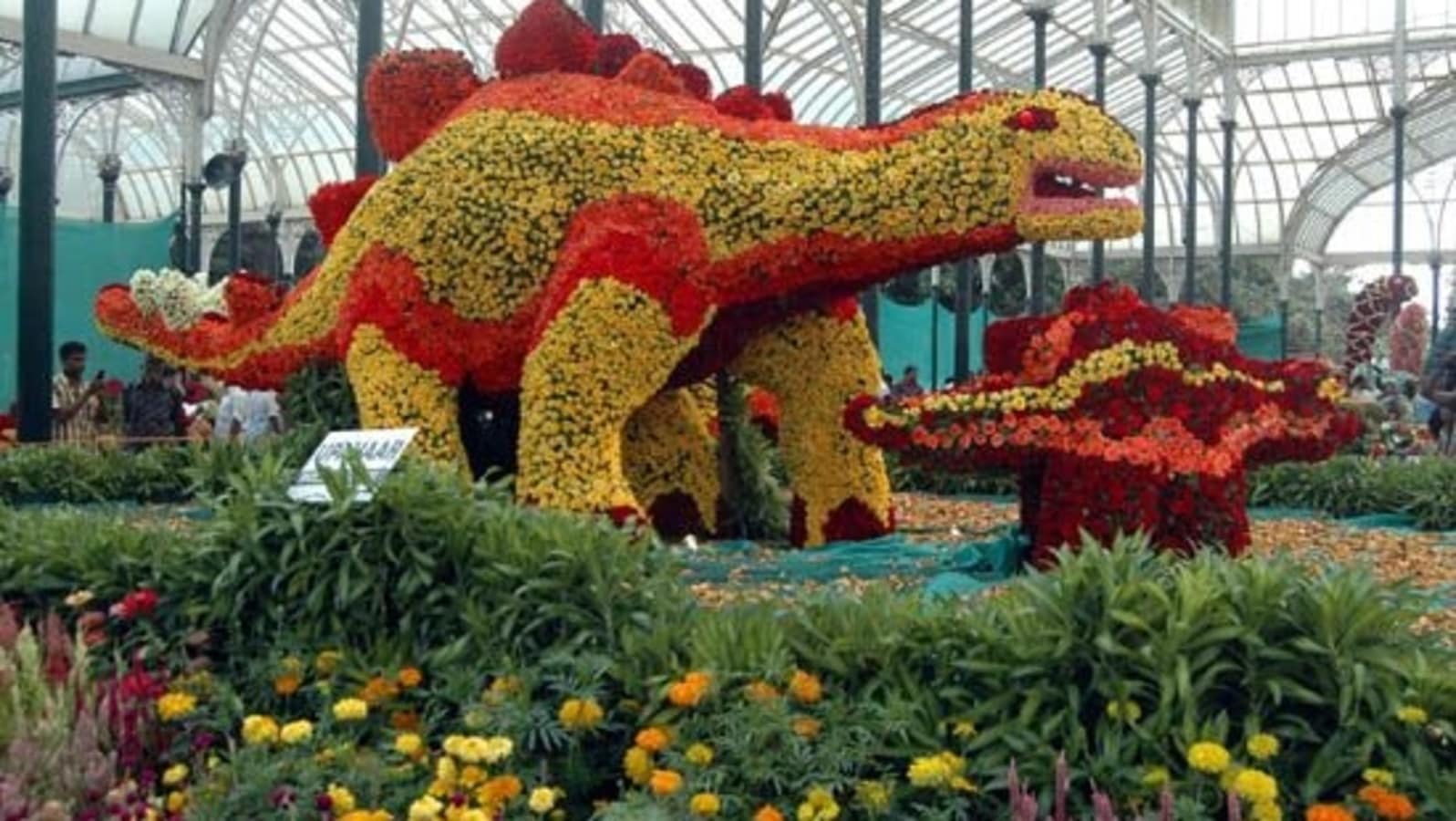
ENVIRONMENTAL AWARENESS AND FUTURE PLANS
Beyond aesthetics, the flower show aims to promote environmental consciousness. Information boards, interactive sessions, and expert guidance emphasized sustainable gardening, water conservation, and biodiversity protection. The event served as a platform to educate the public about the importance of green spaces in urban areas, highlighting the ecological role of gardens in improving air quality, reducing heat, and supporting wildlife.
Looking ahead, authorities plan to expand the Republic Day flower show’s scope by introducing more interactive sections, rare plant collections, and community-driven installations. The aim is to attract even larger audiences while maintaining educational and environmental value. Officials emphasized that Lalbagh remains committed to blending natural beauty with cultural celebration, ensuring that future editions continue to inspire, educate, and engage visitors.
The Lalbagh Republic Day flower show’s record turnout of over 8 lakh visitors and revenue of ₹2.75 crore reflects the event’s enduring appeal. Combining visual spectacle, cultural themes, and educational engagement, the exhibition reinforces Bengaluru’s status as a hub for horticultural excellence, civic participation, and sustainable urban recreation. Visitors left with memories of colourful landscapes, artistic innovation, and a renewed appreciation for nature, underscoring the event’s significance as both a cultural landmark and a celebration of national pride.
The overwhelming turnout at Lalbagh also highlighted the importance of efficient urban planning and crowd management. Authorities reported that additional entry points, ticket counters, and volunteer guidance helped streamline visitor flow and reduce congestion. Traffic management in surrounding areas was coordinated with local police and civic authorities to ensure smooth movement of vehicles and pedestrians. Emergency medical facilities and first-aid stations were strategically placed throughout the garden to handle any health contingencies. Organizers stated that these measures contributed to a safe and enjoyable experience for visitors, demonstrating that large-scale events can be managed effectively with careful planning.
The exhibition’s themed floral displays attracted particular attention for their creativity and symbolic representation. One of the central attractions depicted a large-scale map of India made entirely of flowers, symbolizing national unity and diversity. Other installations celebrated Karnataka’s cultural heritage, local flora, and environmental awareness messages. Children’s zones featured interactive gardens, educational exhibits, and storytelling sessions, allowing young visitors to engage with nature in a hands-on manner. Experts believe that such immersive experiences encourage early appreciation for plants and ecology, fostering environmentally conscious habits from a young age.
Local vendors benefited significantly from the high footfall. Food stalls, handicraft sellers, and flower nurseries reported robust sales, reflecting the economic ripple effect of the exhibition. Artisans and small entrepreneurs displayed handmade items inspired by floral motifs, combining traditional craft with the thematic appeal of the show. Organizers highlighted that supporting local businesses is an integral part of event planning, ensuring that the flower show contributes not only to cultural celebration but also to the livelihoods of communities connected to the horticultural and creative economy.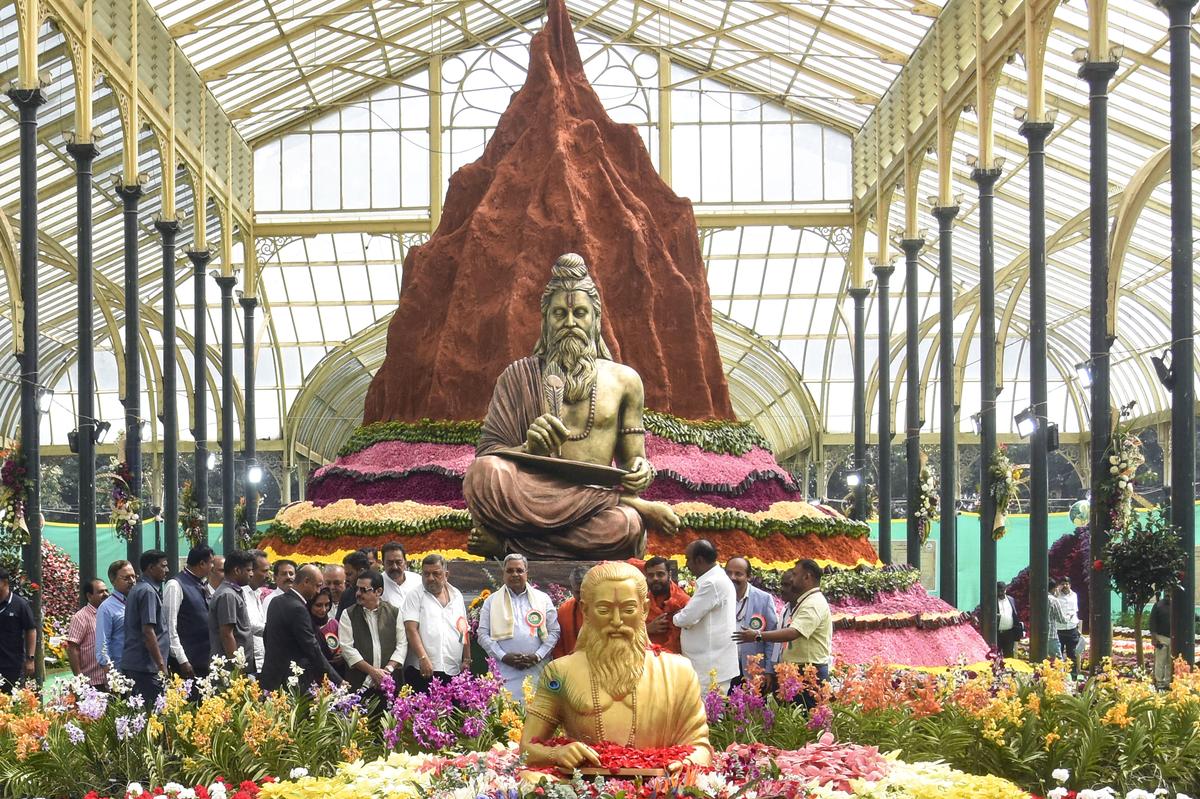
The participation of floriculture clubs and gardening societies further enriched the exhibition. Members presented rare species, bonsai collections, and innovative landscaping techniques, sharing knowledge with visitors and promoting horticultural education. Workshops on soil health, composting, pest management, and vertical gardening were conducted daily, encouraging citizens to adopt eco-friendly practices at home. Organizers emphasized that blending entertainment with education ensures that the flower show leaves a lasting impact beyond visual enjoyment.
Authorities also leveraged technology to enhance visitor engagement. Digital maps, mobile applications, and QR codes at different sections provided information about plant species, care techniques, and ecological significance. Visitors could scan codes to access audio guides and virtual tours, making the experience more interactive and informative. Officials highlighted that integrating technology helps modernize traditional exhibitions, reaching younger, tech-savvy audiences while preserving the educational core of the event.
The revenue generated through ticket sales, food, and merchandise contributes directly to the maintenance and improvement of Lalbagh Botanical Garden. Funds are being used to procure rare plants, upgrade pathways, maintain water bodies, and develop educational facilities. Organizers stated that this financial reinvestment ensures the garden remains a premier horticultural space, capable of hosting large-scale events while preserving biodiversity. Sustainable revenue generation is crucial for the long-term viability of such public institutions, allowing them to balance public access with environmental stewardship.
Environmental awareness campaigns integrated into the flower show also drew attention from educators and policymakers. Exhibits highlighting water conservation, soil management, and urban greening inspired visitors to adopt sustainable practices in their homes and communities. Talks by environmentalists and horticulturists emphasized the ecological role of gardens in reducing urban heat, supporting pollinators, and maintaining biodiversity. The interactive approach encouraged visitors to view the garden not just as a leisure space but as a living classroom promoting responsible stewardship of natural resources.
Cultural performances complemented the floral displays, adding a celebratory atmosphere to the exhibition. Classical music recitals, folk dance performances, and theatrical presentations were staged on open lawns, creating a fusion of horticulture and performing arts. Visitors appreciated the holistic experience, where visual, auditory, and educational elements combined seamlessly. Organizers emphasized that incorporating cultural elements helps attract diverse audiences and strengthens community participation in public events.
The Lalbagh flower show also set benchmarks for accessibility and inclusivity. Ramps, guided pathways, and signages were provided to assist differently-abled visitors. Families with young children were accommodated with stroller-friendly routes and rest areas. Special arrangements for senior citizens, including shaded seating and assistance volunteers, ensured that the exhibition was enjoyable for all age groups. Authorities stated that such inclusive planning is a priority to ensure that public events cater to diverse needs, making the experience equitable and welcoming for everyone.
Finally, the exhibition reinforced Bengaluru’s reputation as a city that celebrates nature, culture, and innovation simultaneously. Visitors expressed admiration for the scale, organization, and creativity of the show, noting that it provided both visual delight and educational value. With over 8 lakh attendees and ₹2.75 crore in revenue, the Lalbagh Republic Day flower show demonstrated the potential of public spaces to inspire, educate, and generate economic and social benefits. Authorities have pledged to continue enhancing the event in future editions, ensuring that it remains a flagship celebration of horticultural excellence, civic pride, and environmental consciousness.
Follow: Karnataka Government
Also read: Home | Channel 6 Network – Latest News, Breaking Updates: Politics, Business, Tech & More
