
The late Madhav Gadgil, an eminent ecologist and architect of the Western Ghats Ecology Expert Panel report, continues to evoke strong and contrasting responses across Karnataka. While conservationists, environmental scholars, and policy experts regard him as a visionary who prioritised ecological balance and community participation, many residents living in the foothills of the Western Ghats viewed his recommendations with deep scepticism and fear. This divide reflects the complex intersection of conservation, livelihoods, development, and governance in one of India’s most ecologically sensitive regions.
Gadgil’s report, submitted in 2011, proposed strict environmental regulations for large parts of the Western Ghats, classifying them into Ecologically Sensitive Zones with varying degrees of restrictions. For conservationists, the report was groundbreaking, as it combined scientific rigour with decentralised governance and local participation. Gadgil’s emphasis on empowering gram sabhas and local bodies was seen as a progressive step toward sustainable environmental management. Many experts believe the report offered a rare opportunity to address environmental degradation before irreversible damage occurred.
In Karnataka’s conservation circles, Gadgil was widely respected for his integrity, intellectual honesty, and long-standing commitment to ecological science. Environmentalists recall that he consistently warned about the consequences of unchecked mining, deforestation, large infrastructure projects, and unregulated urban expansion in the Western Ghats. His work was often cited in academic forums and policy debates as a model for integrating ecology with democratic decision-making.
The ongoing debate over Gadgil’s legacy has also influenced how future conservation policies are framed in Karnataka. Policymakers have become more cautious, often opting for diluted recommendations to avoid backlash, even when ecological risks are evident. Environmentalists argue that this hesitation has weakened regulatory frameworks and emboldened unsustainable practices, while local communities continue to demand clearer assurances that conservation will not come at the cost of their dignity and survival. This cautious policymaking reflects the lingering impact of the Gadgil controversy on environmental governance in the State.
As Karnataka looks ahead, the lessons from the Gadgil report remain unresolved yet unavoidable. Experts increasingly stress that sustainable solutions must emerge from genuine collaboration between scientists, administrators, and local residents, rather than confrontation or political framing. Gadgil’s vision, though contentious, has ensured that environmental protection cannot be sidelined without debate. His legacy endures not just in conservation circles but in every policy discussion that seeks to balance ecological responsibility with human aspiration in the fragile landscape of the Western Ghats.
However, the reception of the report in the Western Ghats’ foothill regions was markedly different. Farmers, plantation workers, small landholders, and local communities expressed anxiety that the recommendations would severely restrict their livelihoods. Many feared that farming activities, construction of homes, road development, and access to basic infrastructure would become nearly impossible under the proposed regulations. This fear was compounded by widespread misinformation and a lack of effective communication from authorities.
Residents in districts such as Kodagu, Chikkamagaluru, Uttara Kannada, and parts of Shivamogga voiced concerns that the report failed to adequately account for ground realities. For them, the Western Ghats were not just an ecological hotspot but a lived landscape where generations had cultivated land, built homes, and sustained local economies. The perception that an external committee was imposing restrictions without understanding local needs created resistance and distrust.
Political leaders quickly tapped into this unease, framing the Gadgil report as anti-development and anti-farmer. Protests erupted in several districts, with demonstrators demanding that the report be rejected outright. In some areas, copies of the report were publicly burned, symbolising the depth of anger and alienation felt by local communities. For many residents, Gadgil became associated not with conservation but with uncertainty and loss of control over their future.
This sharp contrast in perception underscores a broader challenge in environmental governance: balancing ecological preservation with social and economic realities. While conservationists viewed the report as a necessary intervention to protect fragile ecosystems, local communities feared being made collateral damage in a policy battle shaped by experts and activists far removed from everyday struggles in the hills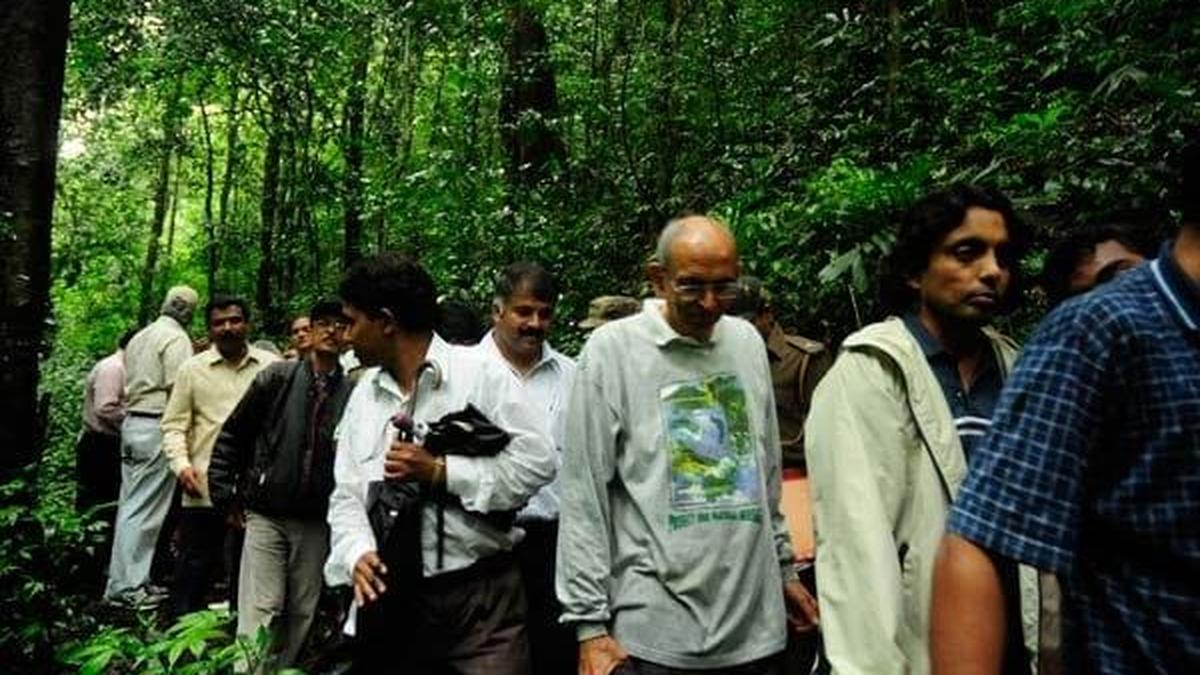
THE CONSERVATIONIST VIEW: SCIENCE, SUSTAINABILITY, AND FORESIGHT
Among Karnataka’s environmentalists, Gadgil’s report is often described as prophetic. Conservationists argue that many of the environmental disasters witnessed in recent years, including landslides, floods, and loss of biodiversity, validate his warnings. They point out that rampant deforestation, quarrying, and unplanned construction in ecologically sensitive zones have destabilised the Western Ghats, increasing vulnerability to extreme weather events.
Experts note that Gadgil’s approach was not one of blanket prohibition but nuanced regulation. The Ecologically Sensitive Zone classification allowed for graded restrictions, with the most fragile areas facing stricter controls while less sensitive regions could continue development with safeguards. Conservationists argue that this scientific zoning was essential to ensure long-term ecological resilience without halting all economic activity.
A key strength of the Gadgil report, according to its supporters, was its emphasis on decentralisation. By proposing a central role for gram sabhas in environmental decision-making, Gadgil sought to democratise conservation. Environmentalists argue that this approach could have empowered local communities rather than marginalised them, provided it was implemented transparently and sensitively. They contend that resistance stemmed not from the report itself but from poor communication and political misrepresentation.
Academics also highlight Gadgil’s insistence on cumulative impact assessment, a concept often neglected in development planning. Instead of evaluating projects in isolation, the report urged authorities to consider the combined impact of multiple activities such as mining, dams, and roads. Conservationists argue that ignoring cumulative impacts has led to irreversible ecological damage across the Western Ghats.
Gadgil’s critics within the scientific community were few, and even they acknowledged the depth of research behind the report. Many conservationists lament that instead of engaging constructively with its recommendations, policymakers chose to sideline it under political pressure. The subsequent Kasturirangan committee report, which diluted several provisions, is often cited as evidence of compromise driven by expediency rather than science.
For environmental advocates, the sidelining of the Gadgil report represents a missed opportunity. They argue that Karnataka, with its rich biodiversity and dependence on monsoon systems influenced by the Western Ghats, had much to gain from proactive conservation. Gadgil’s vision, they say, prioritised long-term sustainability over short-term gains, a perspective often ignored in electoral politics.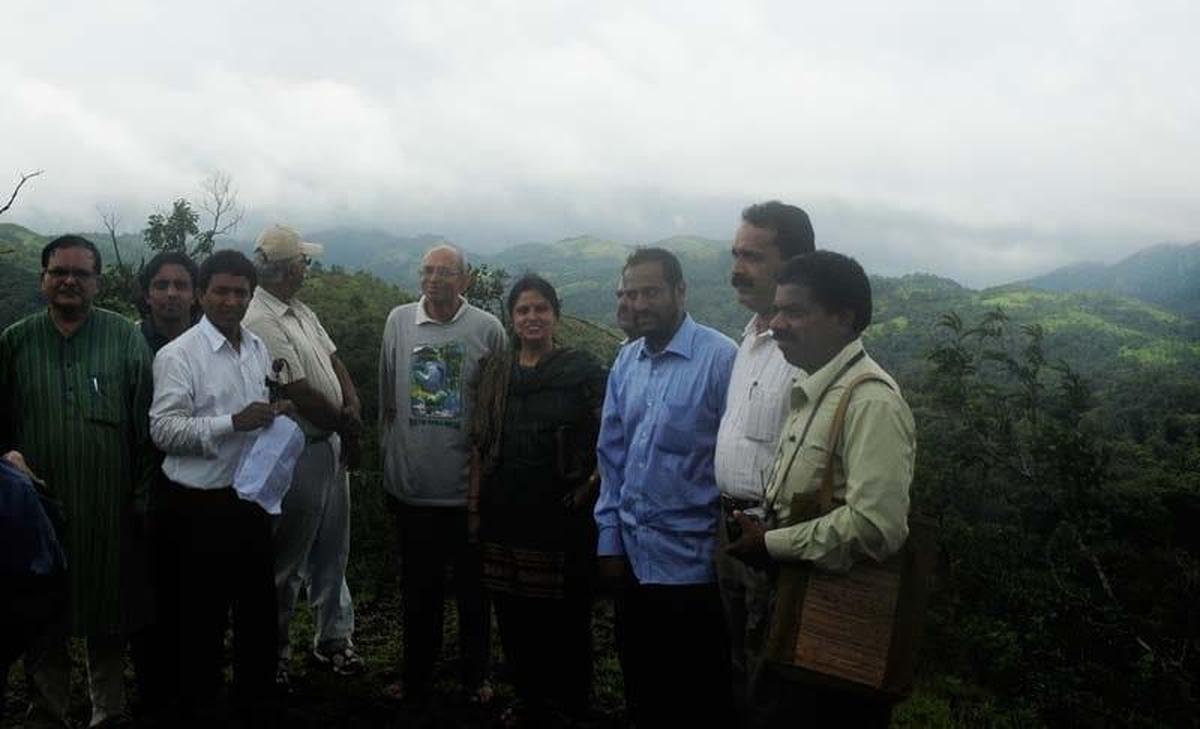
FOOTHILL RESISTANCE: LIVELIHOODS, FEAR, AND MISTRUST
In contrast, the scepticism among foothill communities was rooted in lived experience. Farmers and small landowners feared that the report would criminalise everyday activities such as repairing homes, digging wells, or expanding farms. Plantation workers worried about job losses, while local businesses anticipated economic stagnation. These anxieties were amplified by unclear messaging from the government and inconsistent interpretations of the report.
Many residents argued that conservation policies historically imposed disproportionate burdens on rural communities while allowing large corporations and urban centres to continue exploiting natural resources. This perception of unequal enforcement fuelled distrust toward the Gadgil report. For foothill residents, environmental regulation often meant restrictions without adequate compensation or alternative livelihood options.
Local leaders also criticised the report for insufficient consultation at the grassroots level. While the report emphasised community participation, many villagers felt they were not meaningfully engaged during its drafting or dissemination. This disconnect between intent and perception became a major fault line, undermining trust in the process and the people behind it.
The political climate further polarised opinions. Regional leaders portrayed the report as an existential threat to local identity and autonomy, framing the Western Ghats not as a shared ecological heritage but as contested territory. This narrative resonated with communities already grappling with economic uncertainty and administrative neglect.
Over time, the Gadgil report became a symbol of a larger struggle between conservation and development, science and politics, expertise and lived experience. Even residents who acknowledged environmental degradation remained unconvinced that the proposed measures were fair or practical. The lack of clear rehabilitation plans, financial support, and transition strategies reinforced fears of displacement and marginalisation.
Yet, some voices within foothill communities have begun reassessing the report in light of recent environmental crises. Landslides in Kodagu and floods in Uttara Kannada have prompted renewed discussions about unregulated development. A growing number of residents now acknowledge that ecological safeguards are necessary, though they continue to demand locally tailored solutions rather than top-down mandates.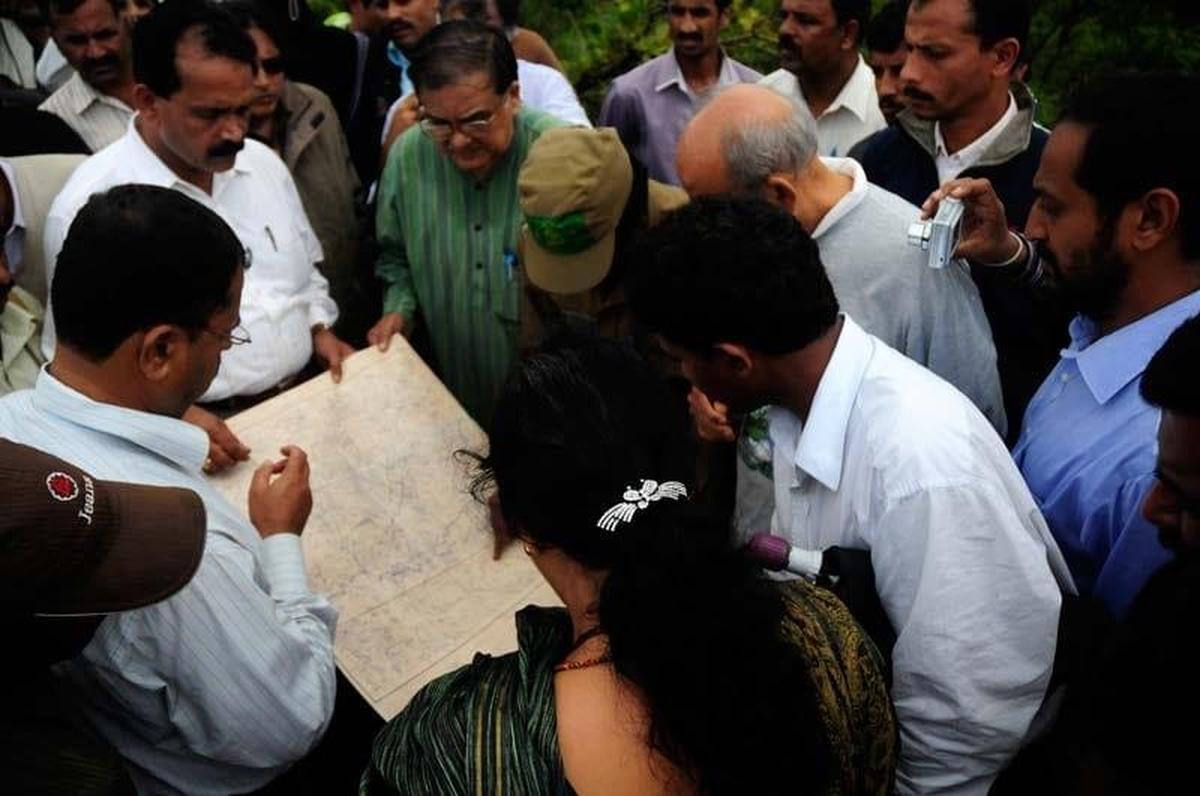
A COMPLEX LEGACY AND UNRESOLVED QUESTIONS
Madhav Gadgil’s legacy in Karnataka is thus both revered and contested. To conservationists, he remains a principled scientist who dared to speak uncomfortable truths about environmental destruction. To many foothill residents, he represents a policy approach that failed to adequately address human realities and socio-economic vulnerabilities. Both perspectives are rooted in legitimate concerns, reflecting the complexity of governing ecologically sensitive regions.
The debate surrounding the Gadgil report highlights the need for better communication, inclusive policymaking, and trust-building between experts, governments, and local communities. Conservation cannot succeed without public support, and development cannot be sustainable without ecological wisdom. Bridging this divide requires acknowledging past failures and fostering genuine dialogue.
As Karnataka continues to grapple with climate change, extreme weather events, and resource pressures, the questions raised by the Gadgil report remain deeply relevant. How can ecological protection be aligned with livelihoods? How can scientific expertise be translated into policies that communities trust? And how can political leadership rise above short-term considerations to prioritise long-term sustainability?
In hindsight, many observers argue that the controversy was not just about Gadgil or his report, but about the broader failure to reconcile conservation with social justice. The Western Ghats, as both a biodiversity hotspot and a human landscape, demand governance models that are sensitive, participatory, and adaptive.
Ultimately, Gadgil’s work continues to serve as a mirror reflecting India’s environmental dilemmas. His ideas challenge policymakers and citizens alike to rethink development paradigms and confront uncomfortable trade-offs. Whether viewed with admiration or scepticism, his report remains a critical reference point in Karnataka’s ongoing struggle to balance nature, people, and progress.
Follow: Karnataka Government
Also read: Home | Channel 6 Network – Latest News, Breaking Updates: Politics, Business, Tech & More
