
The Karnataka Education Department found itself at the centre of a heated public debate after discussions around the alleged closure of government schools triggered widespread concern among teachers, parents, and local communities. As rumours intensified, the Minister for Primary and Secondary Education issued a firm clarification, assuring that no school in the State would be shut down under any circumstance. His statement aimed to counter fear, restore confidence, and emphasise the government’s commitment to sustaining public education. Yet, the controversy highlighted deeper anxieties about enrolment trends, infrastructure issues, and the future of rural schooling.
Across districts, the speculation surrounding possible closures had created a sense of urgency among school development committees and gram panchayats. Many communities feared that low-enrolment institutions, particularly in remote areas, might be clubbed or merged, affecting access for children who rely heavily on neighbourhood schools. The Minister’s categorical reassurance came as a relief to rural families, who often struggle with transportation and safety concerns if children must travel long distances. Officials reiterated that strengthening existing schools, not shutting them, remains the primary goal of ongoing education reforms in Karnataka.
The pushback from education groups illustrated how sensitive the issue remains in regions where schools serve not only as learning spaces but also as vital community hubs. Teachers’ associations argued that instead of debating closures, the government should focus on improving staffing, implementing modern teaching tools, and bolstering infrastructure in underserved areas. Many emphasised that closures, even when framed as consolidations, could accelerate dropout rates. The Minister acknowledged these concerns, stressing that any discussion on restructuring is aimed at enhancing quality, not withdrawing access.
A series of meetings held over the past week showcased the extent of anxiety among teachers who felt that their jobs could be threatened If school counts were reevaluated. The Education Department clarified that no employment would be jeopardised, reiterating that the focus is on filling vacancies, improving teacher-student ratios, and ensuring accountability. The message was clear: preserving the existing educational network while enhancing performance is the State’s chosen path. Teachers were urged to cooperate with reforms rather than fear them, as the broader aim is to benefit students.
The debate stemmed in part from earlier discussions on rationalising educational resources in areas with drastically low enrolment. While some officials had informally floated the idea of clubbing certain schools, the Minister emphasised that these conversations were preliminary and had been misinterpreted. No policy had been finalised, nor had any instructions been issued to proceed with closures. He assured that any future decisions would emerge only after detailed community consultations, data analysis, and committee evaluations rather than unilateral department action.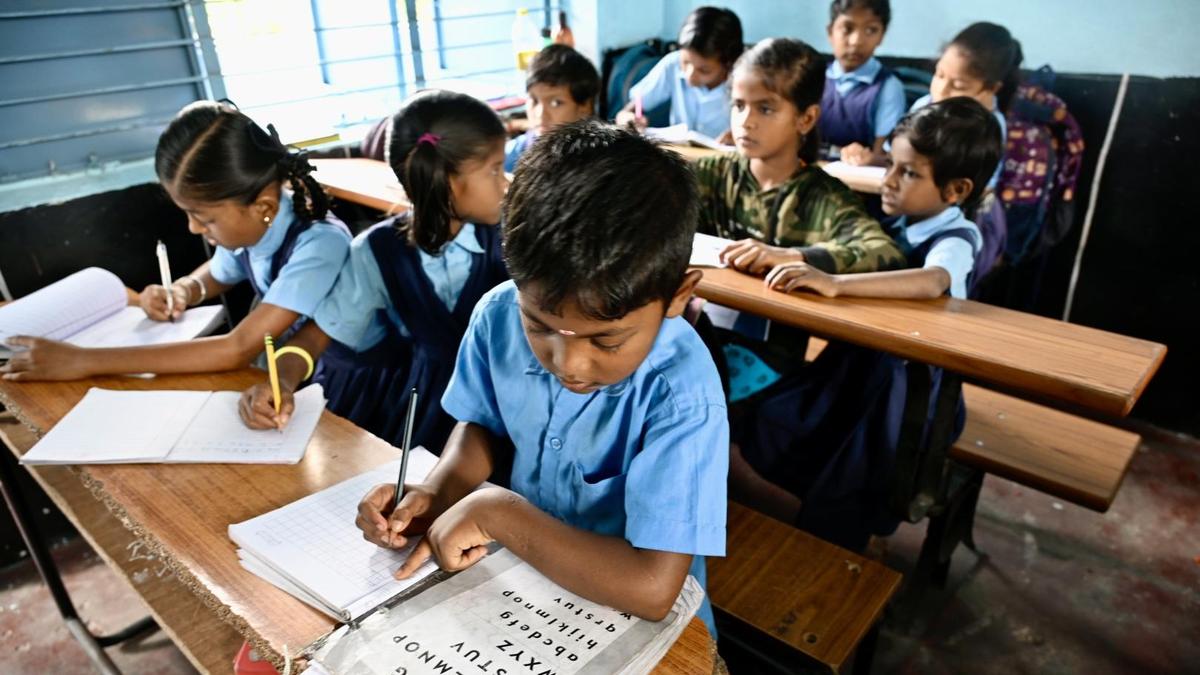
Parents’ associations in several districts expressed relief after the clarification but urged the government to take additional steps to restore trust. They argued that proactive communication is crucial to avoid misinterpretations that cause panic. Many called for village-level awareness meetings to explain the government’s vision for improving learning outcomes. The Minister agreed with the need for transparency and highlighted that strengthening public schooling systems remains essential for educational equity, especially for economically vulnerable families who rely exclusively on government institutions.
In the ongoing session, opposition members used the issue to critique the government’s handling of education-related communication. They accused the department of creating confusion by allowing contradictory statements from field officers. The Minister countered that misleading interpretations had been circulated without context, adding that political opportunism had amplified the controversy. He restated that educational stability is the government’s priority and that the department will focus on constructive improvements instead of allowing rumours to derail policy discussions.
The debate also triggered conversations about Karnataka’s long-term education strategy, particularly the need to revitalise government schools facing declining enrolment due to urban migration and private-sector competition. Experts pointed out that closures should never be the immediate solution. Instead, revitalising teaching methods, introducing digital infrastructure, and fostering community participation can make government schools more attractive. The Minister indicated that upcoming programmes will focus on academic innovation and enhanced support for teachers to make learning environments stronger and more effective.
Teachers’ unions welcomed the Minister’s definitive assurances, but many argued that the root causes behind enrolment drops must still be addressed. They stressed the importance of investing in qualified teachers, continuous training, and improved accountability mechanisms. Other unions demanded that the government take a firm stand against any future suggestions of closure, regardless of enrolment fluctuations. They reiterated that in rural regions, even a small school with few students provides irreplaceable access for children who otherwise might drop out due to distance.
Community Concerns and Educational Realities
In several taluks, local leaders emphasised how schools often act as the backbone of community life, playing roles beyond academics—such as hosting cultural events, health camps, and awareness drives. Any threat of closure disrupts these shared spaces and affects social cohesion. Panchayat representatives urged the government to consider this socio-cultural dimension when planning reforms. The Minister acknowledged that preserving community identity is important, adding that every school carries emotional and historical significance that must be respected during educational planning.
The controversy prompted renewed discussions on the State’s responsibility to uphold the constitutional right to education. Legal experts observed that governments have an obligation to ensure not only access but also proximity to schools, especially for younger children. They argued that even suggestions of closure contradict the spirit of inclusive education. Some cited the need for strong legislative backing to prevent abrupt policy shifts. The Minister reassured lawmakers that the State intends to uphold educational accessibility with unwavering commitment and does not plan to pursue consolidation strategies.
Education activists who have long monitored enrolment trends noted that rural depopulation has affected several districts, leading to smaller class sizes. However, they argued that instead of closing schools, micro-level interventions—such as introducing multi-grade teaching models or community-supported programmes—can help keep schools operational without compromising quality. The Minister confirmed that the department is exploring flexible academic models, particularly for geographically isolated regions, so that learning continues even when enrolment fluctuates.
A section of officials maintained that the Education Department’s new digital attendance and monitoring systems will help diagnose academic weaknesses early without drastic restructuring. They emphasised that real-time teacher performance data, assessment patterns, and enrolment statistics can guide targeted interventions. The Minister noted that improved analytics will allow the government to support struggling schools with tailored measures. This approach, he said, is far more sustainable than merging institutions or withdrawing services in the name of efficiency.
Amid the heated exchanges, voices from urban schools expressed concern that their issues should not be overshadowed by the rural-school debate. They pointed out that overcrowding, infrastructure shortages, and staff vacancies continue to affect city schools. The Minister assured that both urban and rural challenges would be addressed through a balanced strategy. He emphasised that quality enhancement programmes will cover schools across the State, ensuring that no region feels neglected and that all students receive equal opportunities for academic growth.
Teachers involved in school development committees highlighted the need for community-driven reform. They proposed greater local participation in school planning, academic monitoring, and resource allocation. Their argument was that when communities feel ownership, school performance improves naturally. The Minister endorsed this approach, adding that stakeholder involvement is essential for building a resilient education ecosystem. He promised to strengthen programmes that engage parents, volunteers, and local leaders in supporting teaching and learning.
Policy Vision and the Road Ahead
Officials from the department outlined that several new initiatives are already in motion to raise academic standards. These include expanded training programmes for teachers, curriculum enrichment modules, and infrastructure upgrades. They emphasised that long-term solutions will depend on consistent investment and sustained administrative support rather than short-term measures. The Minister assured legislators that every programme will be monitored rigorously to ensure measurable improvements in learning outcomes across grades.
Many lawmakers appreciated the Minister’s strong stand but insisted that clear guidelines be issued to subordinate officials to avoid future miscommunication. They urged the government to document and publish its stance in official circulars for complete clarity. The Minister agreed, stating that detailed instructions would soon be issued to district and block-level officers. This, he said, would prevent ambiguity, reduce panic among teachers and parents, and create a unified understanding of the government’s educational agenda.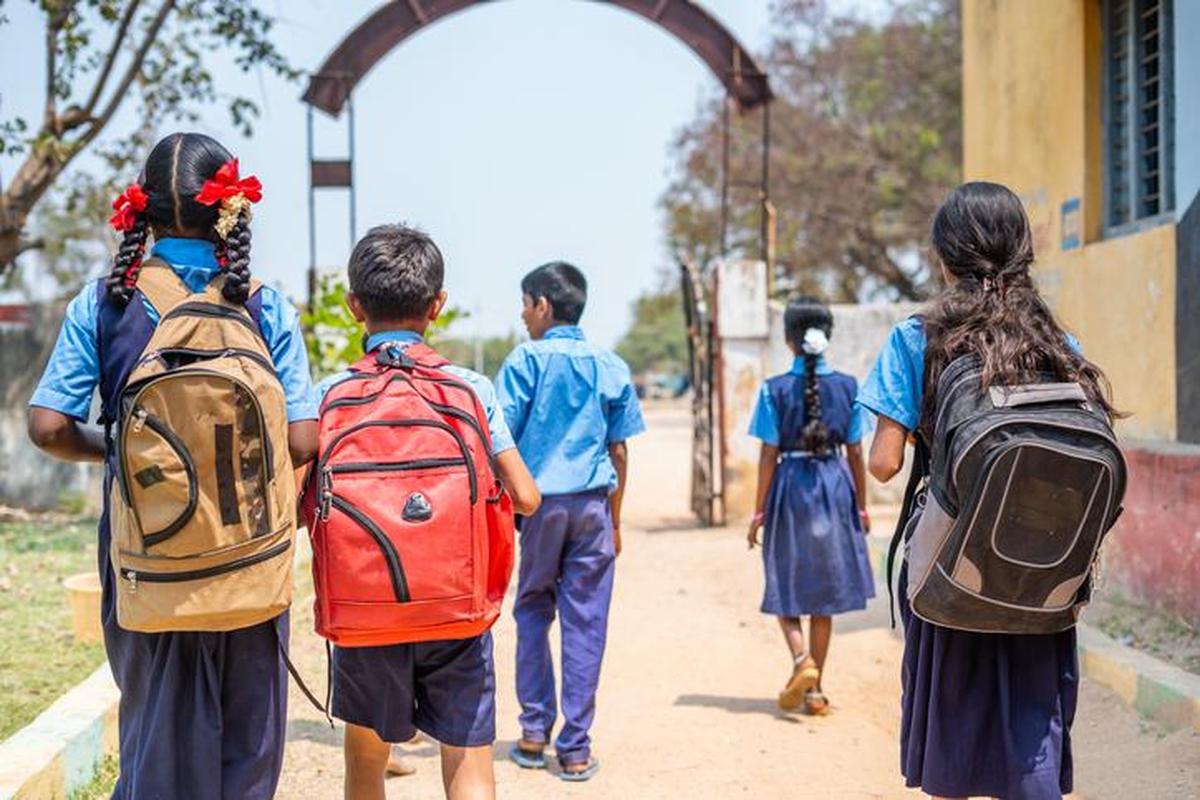
The debate also revived calls for strengthening pre-primary schooling under the Education Department. Lawmakers argued that improving foundational learning is crucial to boosting long-term enrolment in government schools. They suggested integrating anganwadis more closely with primary schools for smoother academic transitions. The Minister noted that discussions are underway to enhance foundational literacy and numeracy programmes, which play a key role in preventing dropouts and building stronger academic pathways for children.
Some members highlighted the importance of modernising schools by introducing digital classrooms, updated laboratories, and improved connectivity. They argued that infrastructure upgrades can significantly enhance student engagement and reverse enrolment decline. The Minister stated that the next budget session will prioritise funding for comprehensive upgrades. He added that special attention will be given to schools that have historically been left behind in development cycles, ensuring equitable growth across educational sectors.
As the session progressed, several representatives emphasised that any meaningful reform must be built on trust between the government, teachers, and communities. They warned that recurring rumours of closures could damage this trust and discourage enrolment further. The Minister reiterated that no school would be closed and that the government intends to build confidence through open dialogue, transparency, and consistent support. He expressed hope that unified efforts would help rebuild faith in public schooling.
In conclusion, the Minister assured the Assembly that Karnataka’s commitment to strengthening public education is firm and that no school will face closure under the current administration. He highlighted that reforms will focus on enhancing quality, improving access, and supporting teachers. While the controversy underscored existing concerns about communication gaps and structural challenges, it also opened the door to constructive discussions on how to build a stronger education system. The government now stands tasked with translating assurances into visible action that benefits every child in the State.
Follow: Karnataka Government
Also read: Home | Channel 6 Network – Latest News, Breaking Updates: Politics, Business, Tech & More
