
The MMCRI Mysore Medical College and Research Institute has moved a significant step forward with the approval for constructing a Unified Outpatient Department block at the historic K.R. Hospital in Mysuru. The decision is being hailed as a long-awaited transformation in the city’s healthcare landscape, promising streamlined patient movement, improved diagnostics, and modernised infrastructure in a campus that has served generations. Administrators and faculty members have welcomed the development, calling it a crucial turning point for an institution that continues to bear a heavy patient load across multiple departments that are currently scattered.
At present, K.R. Hospital functions through several disconnected OPD units spread across its expansive grounds, forcing patients to traverse long corridors and navigate multiple buildings for consultations, tests, and follow-ups. Authorities have regularly observed that such fragmentation poses challenges not only for patients but also for medical staff attempting to coordinate care across departments. The new Unified OPD block aims to consolidate these services under one roof, enabling smoother workflows, faster consultations, and reduced crowding. Officials believe this move will directly improve efficiency, particularly during peak hours when thousands arrive for treatment.
The proposal has been in discussion for years due to the hospital’s old architecture and the need to preserve its heritage façade while upgrading its internal systems. With MMCRI now clearing the deck for construction, planning teams can initiate the next phase involving architectural designs, structural assessments, and funding allocation. Stakeholders have pointed out that modern health infrastructure must accommodate not just medical services but also accessibility, energy efficiency, and adequate waiting areas. The forthcoming structure is expected to integrate these elements, ensuring that the hospital remains both functional and patient-friendly for the future.
The approval comes at a time when the healthcare demand in Mysuru is steadily increasing due to rising population and the region’s dependence on tertiary-care centres. K.R. Hospital remains one of the most visited government hospitals in southern Karnataka, offering specialised services that attract patients from rural districts as well. Administrators have emphasized that the Unified OPD will help reduce waiting time and enable doctors to manage complex cases more effectively. By ensuring all departments are within close proximity, the new block will also make it easier for patients requiring multiple consultations on the same day.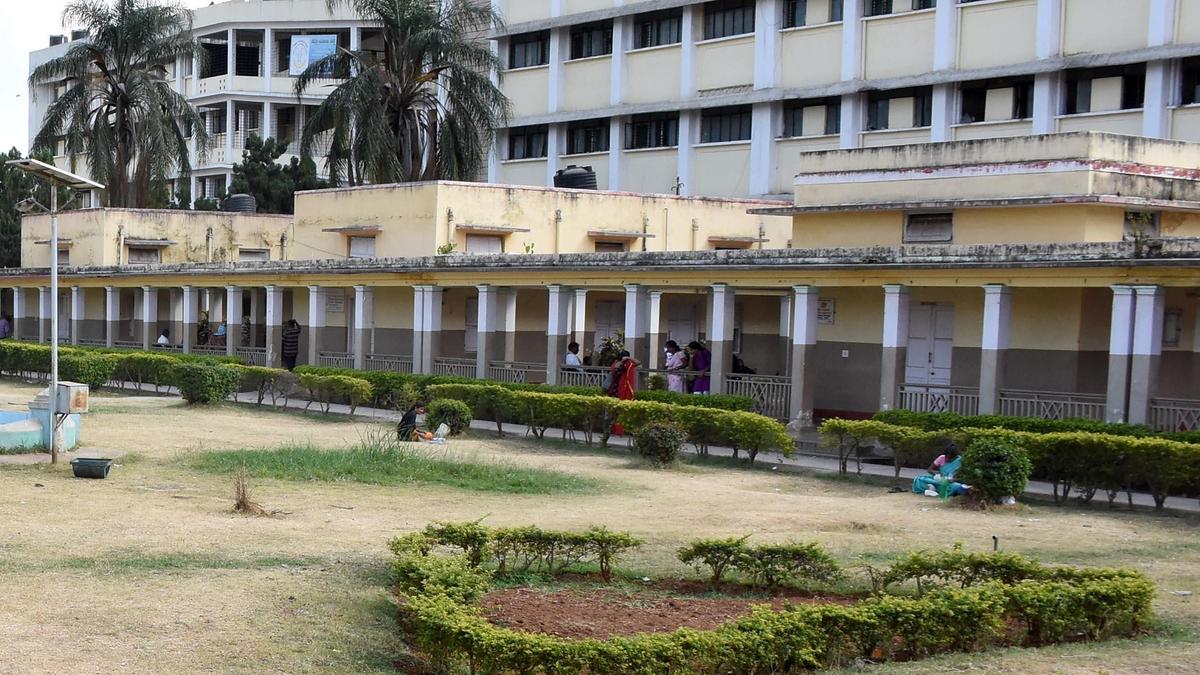
A Boost to Medical Education and Clinical Exposure
For MMCRI’s student community, the Unified OPD is expected to serve as a major academic advantage. Medical students, interns, and postgraduates depend heavily on OPD footfall for learning opportunities and case exposure. With departments being streamlined into a single block, rotations will become better structured and easier to coordinate. Faculty members believe this consolidation can enhance the quality of hands-on training and clinical discussions, allowing students to move between departments swiftly and participate more actively in patient care. Improved infrastructure also helps attract visiting faculty and specialists.
The new block is anticipated to support advanced diagnostic units and minor-procedure sections that can provide quicker test results. This will help students access real-time examples of case progression, treatment decisions, and interdisciplinary collaboration. The institution’s teaching calendar often faces disruptions due to inadequate physical space, overcrowded OPD rooms, and limited resources. By offering a more organised environment, the project aligns with long-term plans to strengthen MMCRI’s reputation as a leading teaching hospital. Students have expressed optimism, noting that modern infrastructure increases their own confidence and the public’s trust in the institution.
Transforming the Patient Experience with Better Logistics
For the public, especially those arriving from distant towns or villages, navigating the current OPD system can be overwhelming. The Unified OPD block aims to simplify these challenges through clear pathways, centralised registration counters, and better signage. Health officials have pointed out that many patients lose valuable consultation time simply searching for the right building or counter. Consolidation will remove these bottlenecks, enabling systematic patient flow and reducing unnecessary crowding in the corridors. Authorities expect this move to improve satisfaction levels and encourage more patients to seek timely medical help.
In addition to clinical advantages, the new structure is expected to include expanded waiting lounges, dedicated areas for patient counselling, and better sanitation facilities. These components address long-standing concerns raised by patient groups and community organisations regarding comfort and dignity in public health settings. While the hospital has attempted incremental improvements over the years, the Unified OPD block represents a more holistic approach to infrastructure development. Officials state that a cleaner, more organised environment also helps reduce hospital-associated infections and enhances overall public health outcomes.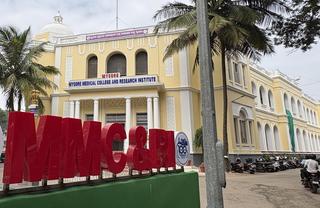
The project’s approval has also revived discussions on mobility and traffic around the hospital zone, one of the busiest pockets in Mysuru. Improved infrastructure tends to draw more visitors, and planners are considering additional entry points, parking facilities, and pedestrian-friendly pathways around the proposed block. Urban development teams may collaborate with health administrators to ensure that the area surrounding the hospital remains safe and accessible for ambulances, staff, and the general public. As Mysuru continues its rapid expansion, integrated planning becomes crucial for institutions that handle high footfall.
As part of the pre-construction phase, authorities will undertake heritage assessments to ensure that the new block does not compromise the historical identity of K.R. Hospital. Mysuru’s citizens have often expressed deep attachment to the hospital’s vintage architecture, which reflects the city’s medical evolution over decades. Engineers and conservation experts are expected to work together to strike a balance between preserving the hospital’s visual identity and integrating state-of-the-art systems. This approach reflects a larger trend in Mysuru, where modern development often intersects with heritage conservation.
Another significant aspect of the upcoming project is budget allocation and funding arrangements. While initial approvals are now complete, the financial blueprint will shape timelines and construction quality. Officials have hinted that a combination of state funding, institutional contributions, and possible central support may be required for the project’s completion. Healthcare architects emphasise that cost efficiency should not compromise long-term durability, patient safety standards, or technological upgrades. The finalised budget will determine the scale of diagnostic equipment, IT systems, and patient amenities integrated into the new block.
Medical professionals across departments have expressed hope that the Unified OPD will finally address issues related to manpower distribution and working conditions. Doctors often handle heavy caseloads in cramped rooms, leading to fatigue and delays in consultations. Consolidated infrastructure will enable staff deployment based on real-time footfall, easing the pressure on individual departments. Nurses and paramedical personnel are also expected to benefit from improved storage areas, streamlined record-keeping systems, and better connectivity between consultation rooms. These enhancements contribute to a more organised and humane working environment.
Beyond immediate clinical benefits, the project is expected to strengthen Mysuru’s role as a regional healthcare hub by attracting specialists who seek modern facilities. Availability of improved infrastructure is a major factor when doctors decide on postings or long-term assignments. With the Unified OPD block underway, K.R. Hospital may see more super-specialty departments requesting expansions or collaborations. This trend has already surfaced in other government medical colleges that undertook similar upgrades, ultimately improving the diversity of services offered to local communities and neighbouring districts.
Public health organisations have pointed out that such infrastructure upgrades can also support outreach programmes and preventive healthcare initiatives. A structured OPD environment allows better execution of counselling sessions on maternal health, nutrition, tuberculosis control, and lifestyle diseases. Dedicated spaces can help health workers conduct awareness activities more effectively without interrupting routine consultations. As Karnataka continues to face rising cases of diabetes, hypertension, and respiratory illnesses, such preventive initiatives are becoming increasingly crucial. The new block is expected to strengthen these programmes significantly.
Administrators have emphasised that the project will adopt a phased approach to avoid disrupting existing OPD services during construction. Temporary arrangements and alternate consultation rooms may be set up to ensure continuity of care. This strategy has been successfully implemented in other large hospitals undergoing renovation. Communication with the public regarding access points and schedules will be a priority, hospital officials say, to minimise confusion and maintain patient trust. A detailed timeline is expected to be announced once design approvals and tender processes are completed.
As construction plans progress, civil engineers will also assess opportunities to integrate digital infrastructure into the new OPD block. This may include telemedicine rooms, e-consultation kiosks, digital queue systems, and centralised patient data management tools. Such features reflect the growing demand for technology-driven healthcare solutions across India. Though implementation will depend on final budgets and policy approvals, doctors believe even partial digitisation could significantly reduce administrative burdens and enhance patient experience. These systems may also help streamline referral pathways and inter-department coordination.
The project’s approval has generated optimism among both health staff and the public, but experts caution that timely execution will be critical. Delays in construction could affect patient flow and staff morale, particularly as existing OPD units continue to face strain. Stakeholders are urging authorities to ensure transparent tendering, strict monitoring, and clear accountability to avoid overruns. If executed efficiently, the Unified OPD block could serve as a model for infrastructural upgrades in other medical college hospitals across Karnataka, many of which face similar challenges.
Ultimately, the Unified OPD marks a significant leap forward for K.R. Hospital and MMCRI, both of which carry immense historical and social importance for Mysuru. The project represents a rare convergence of heritage, modern healthcare planning, and long-term public service vision. With thoughtful implementation, it has the potential to reshape patient care, medical education, and administrative efficiency in one of Karnataka’s most trusted institutions. As Mysuru prepares for this major upgrade, expectations remain high that the new structure will honour the hospital’s legacy while equipping it for the demands of future generations.
Follow: Karnataka Government
Also read: Home | Channel 6 Network – Latest News, Breaking Updates: Politics, Business, Tech & More
