
A political debate over the future of India’s traditional retail sector intensified after Raichur MP G. Kumar Naik raised alarm in the Lok Sabha, claiming that nearly two lakh kirana stores have shut down across the country over the last year. Speaking during Question Hour, the MP sharply criticised the Union government for what he described as insufficient protection for small neighbourhood retailers who are struggling to compete with rapidly growing e-commerce quick-delivery platforms. His remarks triggered widespread discussion among lawmakers, industry representatives, small business groups and consumer organisations about the sustainability of India’s grassroots retail economy.
Background: The Growth of Quick-Commerce Platforms
Quick-delivery platforms have expanded aggressively in major cities and small towns over the past few years, reshaping customer expectations around convenience and delivery time. With ultra-fast delivery promises and extensive promotional offers, these platforms have gained significant market share. Traditional kirana stores, often family-run businesses operating with limited margins, find themselves unable to match the depth of discounts, digital infrastructure and marketing budgets that larger e-commerce players are able to deploy. The MP’s assertion of mass closures highlights the growing concern that rapid digitalisation may be leaving large sections of the retail workforce behind.
MP’s Allegation in Parliament
Addressing the Lok Sabha, Kumar Naik argued that the government has failed to create a level playing field for traditional retailers who contribute significantly to India’s employment and local economic stability. He stated that the rise of deep discounting and predatory pricing techniques used by digital delivery services has pushed kirana stores into financial distress. According to his claim, around two lakh kirana stores have shut down during the last year alone, indicating a crisis that requires urgent policy intervention. His comments reflect the anxieties of thousands of small traders who fear being overshadowed by corporate-backed digital giants.
Predatory Pricing Concerns
The MP reiterated that many quick-delivery platforms rely on pricing models that are not sustainable for small retailers to replicate. Discounts funded by investor capital or cross-subsidisation make everyday essentials cheaper on e-commerce platforms compared to neighbourhood stores. This has shifted consumer behaviour toward online purchases, eroding the customer base that kirana stores historically relied on. Naik argued that the lack of strict regulatory oversight allows digital platforms to manipulate prices, creating unfair market conditions that disadvantage traditional retail operators who cannot afford to compete at those price points.
Role of Digital Infrastructure in Market Disruption
While e-commerce platforms claim to bring modernisation to the retail sector, Naik highlighted that the shift toward digital infrastructure has widened the gap between technologically empowered companies and small retailers. Quick-commerce platforms benefit from sophisticated logistics, AI-based demand predictions and centralised warehousing systems. Meanwhile, kirana stores operate with minimal digital tools, often lacking access to formal credit or technology-driven inventory management. The MP suggested that without government-supported digital inclusion programs, local stores will continue to face structural disadvantages, ultimately risking collapse in large numbers.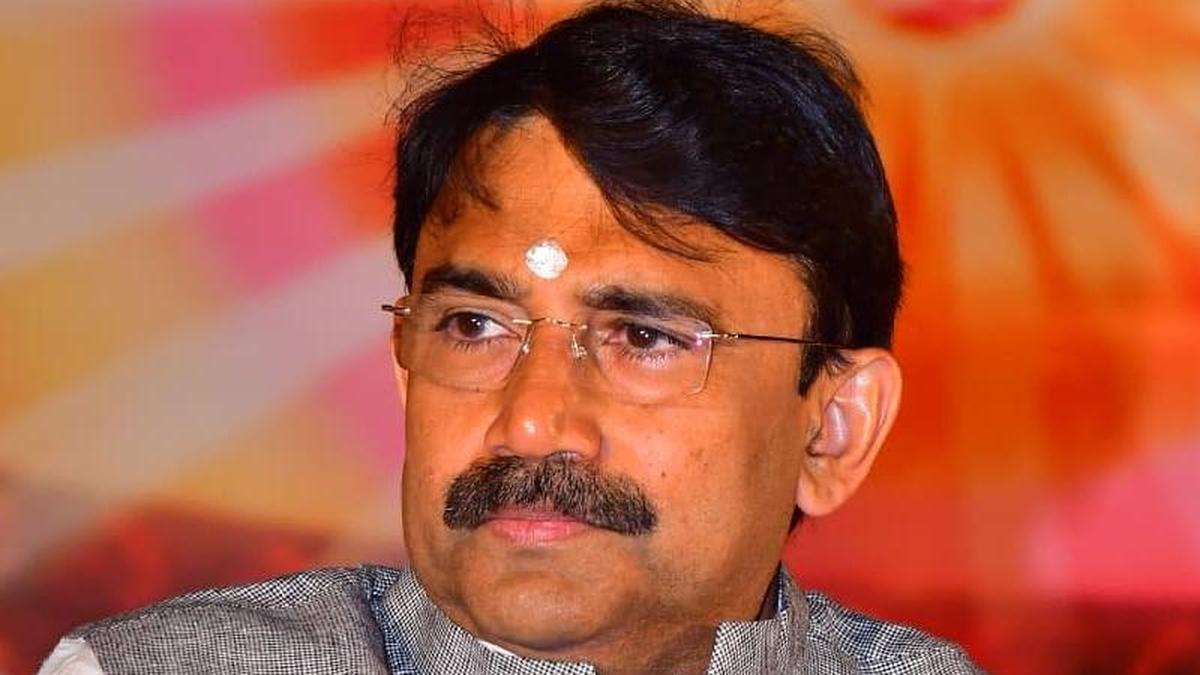
Government’s Defence and Standpoint
In response to Naik’s remarks, the government maintained that the rise of e-commerce does not inherently threaten traditional retail and that both models can coexist. Officials argued that digital platforms also create employment opportunities and enhance consumer choice. They emphasised that policies such as restrictions on inventory-led e-commerce models and rules governing foreign direct investment in retail are already aimed at protecting the interests of domestic retailers. However, the MP insisted that current safeguards are insufficient, calling for a stronger, more targeted regulatory framework.
Support for MSMEs Through Sourcing Rules
Interestingly, Kumar Naik welcomed the government’s recent move to mandate 30% procurement from micro, small and medium enterprises for Single Brand Retail under revised foreign direct investment guidelines. According to him, this rule promotes local sourcing and strengthens domestic production. However, he said such benefits primarily support manufacturing rather than retail. He urged the government to extend similar protective mechanisms directly to small shopkeepers who are facing the brunt of rapid market transformation triggered by quick-delivery platforms.
Economic Impact on Local Communities
Kirana stores are not only commercial units but also social anchors in local communities, particularly in semi-urban and rural regions. They provide personalised services, credit facilities for households and employment for millions. The alleged closure of such a large number of stores could have significant economic implications, ranging from job losses to reduced local spending capacity. Naik emphasised that the collapse of kirana stores would disrupt community-level economic stability, affecting supply chains, neighbourhood dynamics and small-scale distributors who depend on these stores for their livelihoods.
Small Traders’ Associations Respond
Over the past year, several trader associations have expressed concerns that online platforms are reshaping the retail landscape without adequate regulation. Some associations have reported falling profits and high levels of debt among small shopkeepers. They argue that the market power of e-commerce companies allows them to negotiate better terms with suppliers, further disadvantaging traditional retailers. Following Naik’s remarks, many associations reiterated their demand for stronger government intervention, including stricter enforcement of rules preventing deep discounting and unfair competition.
Industry Experts Question the Claim
Some industry experts, however, have urged caution regarding the claim of two lakh store closures. They argue that while small retail does face pressures, closures may also be influenced by broader economic factors such as urban migration, generational change, rising rents and shifts toward organised retail formats. According to these analysts, more comprehensive and data-driven studies are needed to understand the full scale of the issue. They agree that digital disruption is significant but stress that the impact varies widely across regions and socioeconomic groups.
Consumer Behaviour and Convenience Culture
Rapid urbanisation and the increasing importance of convenience in consumer choices have contributed to the popularity of quick-delivery services. Time-constrained households, young professionals and students prefer the efficiency of online platforms. However, Naik argued that consumer preference alone does not absolve the government from its responsibility to safeguard traditional business ecosystems. He suggested that if predatory pricing continues, consumers may eventually face reduced competition, higher prices and fewer local employment opportunities as small retailers are pushed out of the market.
Technology Integration for Kirana Stores
Some policymakers and digital entrepreneurs believe that technology adoption among kirana stores could help mitigate the crisis. Digital payment systems, inventory apps, online ordering partnerships and last-mile delivery tie-ups have already been introduced in various cities. These tools aim to integrate kirana stores into broader digital ecosystems, enhancing their competitiveness. However, Naik argued that without substantial government support, such transitions remain difficult for small businesses operating on thin margins. He called for subsidised digital training programs, accessible credit lines and tax incentives for modernisation.
Regional Variations in Retail Strain
The impact of digital competition is not uniform across India. In metropolitan cities, quick-delivery platforms are far more dominant, leading to sharper market pressure on traditional shops. In rural and remote areas, kirana stores remain the primary retail channel due to limited digital penetration and logistical challenges faced by e-commerce companies. The MP emphasised that national policy should account for these regional differences, ensuring protection for retailers across diverse socioeconomic contexts. He argued that a one-size-fits-all model could worsen inequalities between regions.
Employment Concerns and Youth Migration
The decline of small retail threatens a large segment of the informal workforce. Many kirana stores employ family members, local youth and part-time workers. Their closure could push more young people toward unstable gig-economy opportunities or urban migration in search of employment. Naik warned that if these trends continue, the country could face deeper socio-economic challenges. He urged the government to view the survival of kirana stores not merely as a retail issue but as a matter of employment security and community resilience.
Political Reactions
The MP’s remarks sparked mixed reactions within Parliament. Some members supported his concerns, stating that the rapid shift towards digital retail was creating economic imbalances. Others criticised his claim as exaggerated, arguing that the retail market is dynamic and evolving. They contended that competition drives innovation and benefits consumers. Nevertheless, Naik maintained that the government cannot ignore early warning signs and must take proactive steps to safeguard traditional retailers before the situation worsens.
Business and Technology Leaders Weigh In
Technology and business leaders responded to the MP’s comments by highlighting efforts made by digital platforms to collaborate with small retailers. Some companies have launched partnership models that allow kirana stores to serve as local inventory points or last-mile delivery hubs. Advocates of such models argue that digital transformation can coexist with traditional retail, creating hybrid structures that offer both efficiency and local familiarity. However, critics argue that such initiatives remain limited compared to the pace of corporate expansion.
Call for Data Transparency
One of the striking aspects of the debate is the lack of publicly available, comprehensive data on the status of kirana stores nationwide. Naik called for the government to commission a detailed study assessing closures, revenue trends, employment changes and regional variations in the retail sector. Transparent data, he said, is essential for understanding the depth of the crisis and designing effective interventions. Economists also suggested that evidence-based policymaking is crucial for addressing structural challenges linked to digital disruption.
Need for Regulatory Balance
Regulators face the challenge of encouraging innovation while protecting traditional economic structures. Naik argued that overly lenient policies have allowed digital platforms to dominate the market unchecked. Others believe that excessive regulation could stifle entrepreneurship and deter investment in the digital economy. The debate highlights the need for balanced governance that promotes fair competition without impeding progress. Many experts agree that updated rules reflecting the realities of a hybrid retail ecosystem are necessary.
Conclusion
Kumar Naik’s claims have brought the challenges faced by traditional kirana stores back into national focus. Whether the figure of two lakh store closures is fully accurate or not, the concerns underlying his statement reflect the changing landscape of retail in India. As digital platforms continue to reshape consumer behaviour, the survival of small retailers depends heavily on policy support, technology integration and a level playing field. The debate underscores the complex task of balancing innovation with inclusivity, ensuring that economic progress does not marginalise communities that have long sustained India’s retail fabric.
Follow: Karnataka Government
Also read: Home | Channel 6 Network – Latest News, Breaking Updates: Politics, Business, Tech & More
