
The Brihanmumbai Municipal Corporation (BMC) election 2026 has been officially scheduled, marking a significant moment in Mumbai’s civic life as voters prepare to elect representatives to one of the most powerful municipal bodies in India. The State Election Commission (SEC) has announced that polling will take place on January 15, 2026, across all 227 wards of the BMC, with vote counting set for January 16, 2026. This election follows a prolonged period without elected local representatives and is expected to draw intense public and political engagement.
The BMC election holds considerable importance for Mumbai’s governance, as the municipal corporation oversees essential services such as water supply, sewage and sanitation, road infrastructure, public health, and educational institutions. With a vast electorate and high civic expectations, the 2026 poll is seen as a crucial indicator of public sentiment on local governance, quality of life issues and development performance.
Complete Timeline and Key Dates of BMC election 2026
According to the official election schedule released by the SEC, the BMC election process will follow a structured timetable designed to ensure transparency and orderly conduct of the polls:
- Nominations Open: December 23, 2025
- Last Date for Filing Nominations: December 30, 2025
- Scrutiny of Nominations: December 31, 2025
- Last Date for Withdrawal: January 2, 2026
- Final List of Candidates and Symbol Allotment: January 3, 2026
- Polling Day: January 15, 2026
- Voting Hours: 7:30 am to 5:30 pm
- Counting of Votes: January 16, 2026 starting from 10:00 am
These dates provide voters and candidates with a clear roadmap of the election process, from filing nominations to casting and counting votes. Campaigning is regulated by the Model Code of Conduct, which came into effect from mid-December 2025, restricting certain activities and ensuring a fair environment for all contestants.
What Voters Need to Know
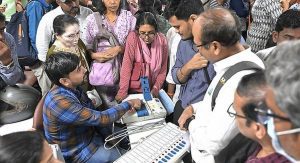
Mumbai’s electorate is large and diverse, with over 10 million eligible voters set to participate in the BMC election. The voter base includes residents from all major demographic groups, reflecting the city’s cosmopolitan makeup. Voters can cast their ballots at designated polling stations located throughout Mumbai, with authorities deploying electronic voting machines (EVMs) and trained poll officials to manage the process efficiently.
On polling day, security and administrative personnel will be present at polling centres to ensure a smooth and safe voting experience. Mobile phones are prohibited inside voting booths to maintain confidentiality and election integrity. Special provisions, such as women-staffed “pink polling stations,” have been introduced in some areas to encourage greater participation.
Why the BMC Polls Are Significant
The Brihanmumbai Municipal Corporation is one of the richest and most influential civic bodies in Asia, managing a multi-crore budget and directing policy on key aspects of urban living. Control over the BMC allows elected representatives to shape initiatives related to urban planning, sanitation, public transport, and citizen services. Outcomes of the BMC elections often reflect public perceptions of governance performance at the municipal level.
Moreover, the 2026 BMC election carries broader political significance because it is one of the first major local elections after significant political realignments in Maharashtra. Voters and political analysts alike see it as a barometer of public opinion that could influence strategies in future state and national polls.
Candidates and Contest Dynamics
A large number of candidates have filed nominations for the 227 seats in the BMC, representing a mix of established political parties, independents and community leaders. Many candidates have deep roots in their respective wards and are campaigning on issues that directly affect local residents, including traffic congestion, waste management, water scarcity, slum infrastructure, and public health services.
In several wards, especially those with large slum populations and economically disadvantaged groups, the number of candidates has surged, reflecting a highly competitive and fragmented contest. Analysts suggest that intense competition in these areas may lead to close outcomes and could influence the overall result margins.
Key Issues Driving Voter Priorities
Mumbai residents are weighing multiple civic concerns as they prepare to vote. Among the top issues highlighted by voters and campaigners are:
- Traffic and transport challenges: Commuters are seeking better public transit options and reduced congestion.
- Housing and slum redevelopment: Affordable housing and slum infrastructure remain pressing community priorities.
- Water supply and sanitation: Consistent access to clean water and efficient waste management are major expectations.
- Flood control and infrastructure resilience: With monsoon season still fresh in memory, voters are attentive to drainage and flood mitigation efforts.
- Public safety and health services: Ensuring safer neighbourhoods and quality healthcare facilities continues to rank high on citizen concerns.
These local governance issues are central to the campaign promises of many candidates, shaping how constituencies engage with their choices and what they expect from their future corporators.
Public Participation and Voter Engagement
Election authorities and civic groups are actively encouraging voter participation in the BMC polls. To facilitate a high turnout, the Maharashtra government declared January 15, 2026, a public holiday across multiple urban centres, including Mumbai, prompting schools, offices and institutions to close and making it easier for residents to vote.
Advanced digital tools and voter assistance applications have been introduced to help citizens verify their voter details, locate polling booths and access candidate information ahead of the election. This effort aims to reduce confusion and boost confidence among first-time voters and long-term residents alike.
Counting and Results Day
Once polling concludes on January 15, election officials will begin the vote counting process on January 16, 2026. Counting is expected to start in the morning and continue throughout the day, with results likely to be declared by the evening. The announcement will determine which party or coalition gains control of the BMC and will shape Mumbai’s civic direction for the next five years.
The counting day is anticipated to draw significant public and media attention, as stakeholders and citizens alike await the final verdict. Winning control of the municipal corporation is a coveted political objective due to the authority and resources vested in the BMC.
Challenges and Expectations
While the election schedule has been set and preparations are underway, several challenges remain. Concerns about duplicate voter entries and inaccuracies in the electoral roll have been raised by political parties and civic observers, prompting calls for a thorough review of voter lists to ensure fairness and credibility. The SEC has implemented verification mechanisms to address these issues ahead of polling day.
Additionally, ensuring that elections run smoothly across all 10,000+ polling stations in the city will require meticulous planning and coordination among officials, volunteers and security personnel.
Looking Ahead
The Mumbai BMC election of 2026 stands as a pivotal event in the city’s civic and political calendar. With active voter engagement, diverse candidate representation and intense debate over urban priorities, the election will test how well local governance structures align with citizen aspirations and address pressing urban challenges.
As Mumbai prepares for January 15 polling and January 16 results, voters will play a decisive role in determining the future of their municipal leadership, shaping the policies and services that affect everyday life in one of India’s largest and most dynamic cities.
Read More: https://channel6network.com/bmc-election-2026-marathi-manoos/
