
Hundreds of families displaced from Kogilu Layout continue to live in uncertainty, with authorities confirming that houses will be allotted only after January 5, dashing hopes of immediate relief. Despite repeated assurances and announcements over the past months, affected residents say there is still no clear timeline or transparency on when they will finally receive permanent housing. For many families who lost their homes to demolition, the delay has prolonged financial strain, emotional distress, and social instability.
Officials stated that the postponement is due to pending administrative procedures, verification of beneficiary lists, and coordination between departments involved in housing allocation. While authorities maintained that the process is in its final stages, residents argue that similar explanations have been given earlier without tangible outcomes. The continued delay has deepened mistrust between displaced families and the administration.
Kogilu Layout, once home to several low- and middle-income families, has become symbolic of prolonged rehabilitation struggles in urban Bengaluru. Displaced residents have repeatedly demanded clarity, alleging that poor planning and lack of coordination have turned a resettlement exercise into a humanitarian concern. Many families are currently staying in rented accommodations or with relatives, often at high personal cost.
Local residents’ associations have urged the government to set up a dedicated help desk for Kogilu Layout families to address queries related to allotment, documentation, and eligibility. They argue that a single-point contact system would reduce confusion and prevent families from making repeated visits to multiple offices. Several residents said they have spent weeks shuttling between departments, often receiving contradictory information, adding to their frustration and financial burden.
Opposition leaders have also taken up the issue, accusing the government of insensitivity towards displaced families. They alleged that the delay reflects a lack of political will to prioritise rehabilitation once demolitions are completed. Demanding immediate intervention, they called for a public release of the final beneficiary list and a fixed, non-negotiable timeline for allotment, warning that continued uncertainty could trigger larger protests in the coming days.
Urban policy experts say the Kogilu Layout episode highlights the urgent need for stronger rehabilitation frameworks in city planning. They stress that redevelopment and infrastructure projects must integrate resettlement planning from the outset rather than treating it as an afterthought. Without systemic reform, experts warn, similar crises will recur, leaving vulnerable families trapped in cycles of displacement, delay, and broken promises.
Officials reiterated that the government remains committed to rehabilitating all eligible families. However, they conceded that no formal allotment letters would be issued before January 5, effectively ruling out immediate resettlement. For families who had hoped to begin the new year in permanent homes, the announcement has come as a bitter disappointment.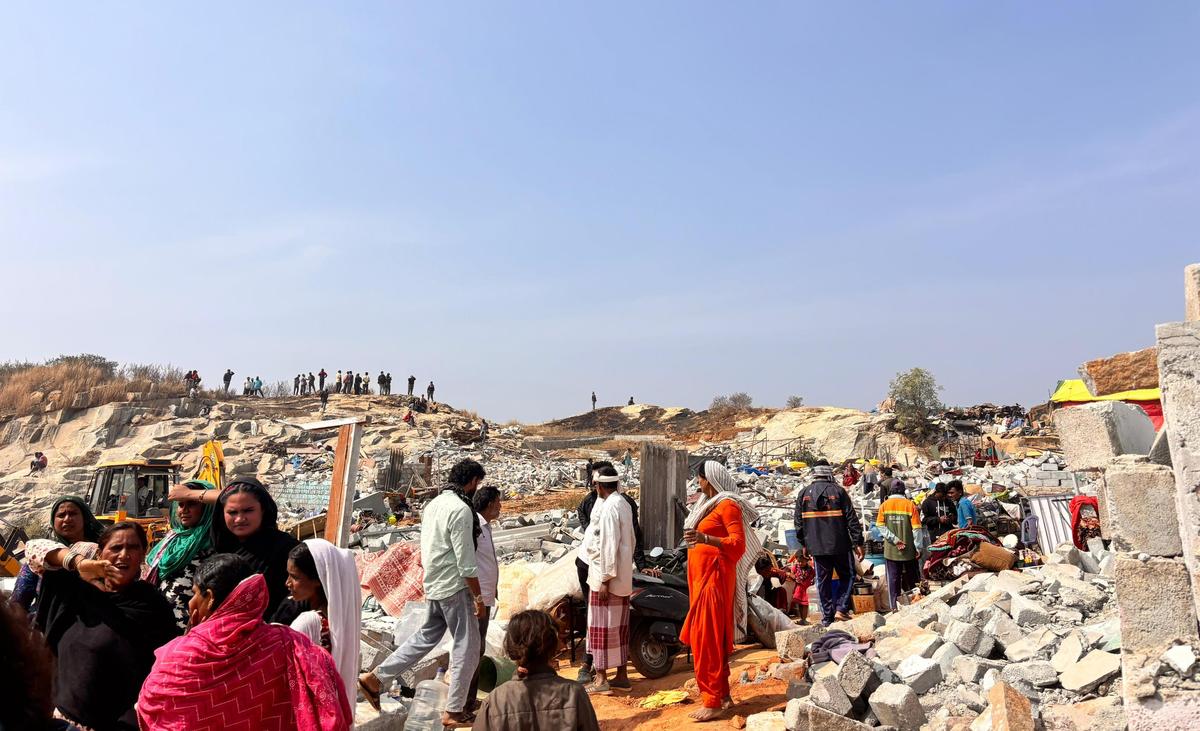
DISPLACEMENT, DELAYS, AND GROWING DISTRESS
The Kogilu Layout demolitions uprooted families who had lived in the area for years, some for decades. Many residents claim they had invested their life savings into building homes, only to see them razed with assurances of swift rehabilitation. Months later, the lack of progress has left them grappling with uncertainty and anxiety.
Families report rising expenses due to temporary housing arrangements. Rent, deposits, and daily commuting costs have pushed several households into debt. Daily wage workers and informal sector employees say the instability has affected their ability to earn, as frequent relocations disrupt work routines and childcare arrangements.
Women and elderly residents have been particularly affected. Several families said cramped temporary accommodations have taken a toll on health and well-being. Access to basic services such as sanitation, clean water, and healthcare has become inconsistent, especially for those staying in overcrowded rental spaces or shared accommodations.
Children’s education has also suffered. Parents said frequent moves and lack of stable housing have disrupted schooling, with some children forced to travel long distances to attend their original schools. Others have had to change schools mid-year, affecting academic continuity and emotional stability.
Residents allege that communication from authorities has been sporadic and unclear. Announcements are often made without follow-up details, leaving families dependent on rumours and unofficial updates. Many say they only learn about delays through media reports rather than direct communication from officials.
ADMINISTRATIVE PROCESS AND OFFICIAL STAND
Officials involved in the rehabilitation process said the delay stems from the need to finalise beneficiary eligibility and complete verification procedures. Authorities maintained that allotment must be carried out carefully to avoid errors, duplication, or exclusion of rightful beneficiaries.
According to officials, multiple departments are involved in the process, including urban development, housing, and revenue authorities. Coordination challenges, they said, have contributed to the slow pace of implementation. Authorities insisted that rushing the process could result in legal complications or disputes later.
The government has stated that alternative housing units have been identified and are ready for allotment, but procedural formalities must be completed before keys can be handed over. Officials said allotment lists are being cross-checked to ensure fairness and transparency.
However, residents argue that administrative caution should not come at the cost of prolonged human suffering. They point out that many families were displaced abruptly, with assurances of timely rehabilitation that are yet to be fulfilled.
Officials also said that January 5 is not a final deadline for completion but a tentative timeline after which allotment procedures may begin. This lack of certainty has further frustrated families, who fear additional delays even after the stated date.
PROMISES, PROTESTS, AND PUBLIC PRESSURE
Since the demolitions, Kogilu Layout residents have staged multiple protests demanding immediate rehabilitation. Demonstrations, petitions, and meetings with officials have become routine, but residents say concrete outcomes remain elusive.
Community leaders allege that political assurances have not translated into administrative action. While visits by elected representatives have offered temporary hope, families say these interactions often end with vague promises rather than clear commitments.
Civil society groups and housing rights activists have criticised the handling of the Kogilu rehabilitation, calling it an example of poor urban planning and inadequate resettlement policy. They argue that displacement without prior rehabilitation violates principles of humane governance.
Activists have also questioned why alternative housing was not made ready before demolition. They argue that families should not have been asked to vacate without a guaranteed, immediate resettlement plan.
Officials, however, maintain that the demolitions were carried out as part of a legally mandated process and that rehabilitation is being handled within policy frameworks. They insist that no eligible family will be denied housing.
SOCIAL AND ECONOMIC CONSEQUENCES
The prolonged delay has had ripple effects beyond housing. Many families say social networks built over years in Kogilu Layout have been disrupted. Neighbours who once relied on each other for childcare, emotional support, and financial help are now scattered across the city.
Small businesses that operated within the layout have also suffered. Home-based enterprises, petty shops, and informal services lost their customer base overnight. For many, the absence of a stable location has meant loss of income with no immediate prospects for recovery.
Mental health concerns are emerging as a significant issue. Residents report stress, anxiety, and feelings of helplessness, particularly among elderly members who struggle to adapt to temporary living arrangements. Families say the uncertainty has eroded their sense of dignity and security.
Experts note that delayed rehabilitation often deepens poverty cycles. Without stable housing, access to employment, education, and healthcare becomes fragmented, pushing vulnerable families further to the margins.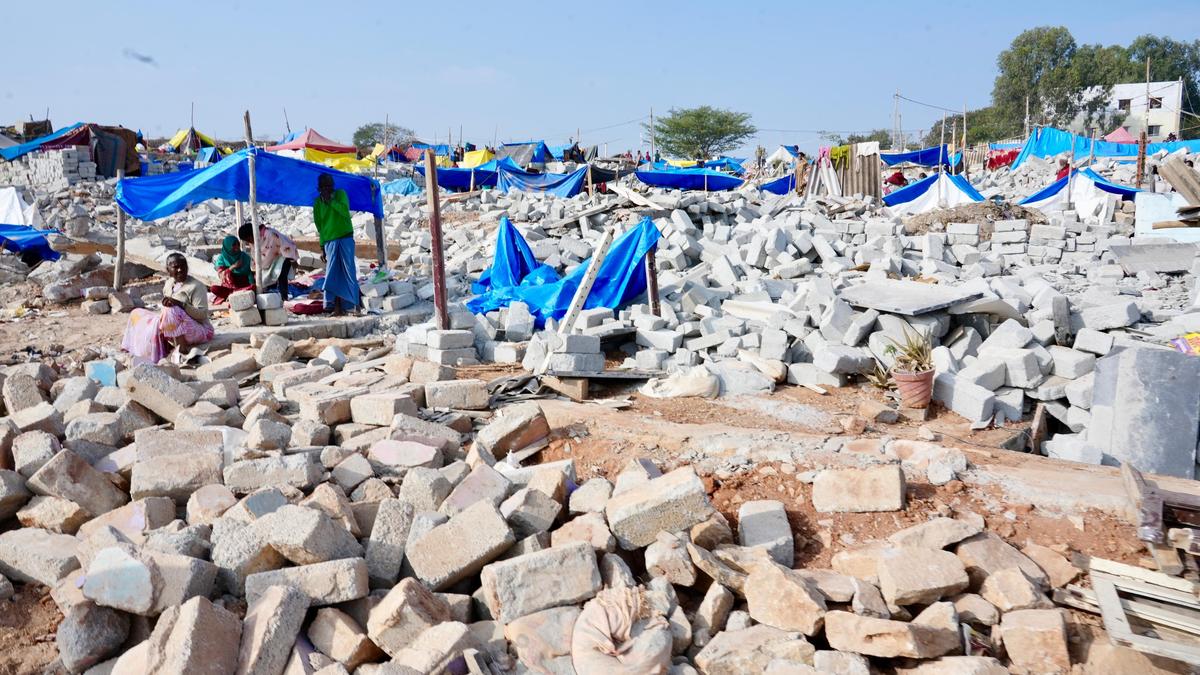
LEGAL AND POLICY QUESTIONS
The Kogilu Layout case has raised broader questions about rehabilitation policies in urban redevelopment projects. Legal experts point out that while demolition may be legally justified, rehabilitation must be timely, adequate, and humane.
Questions have also been raised about accountability mechanisms. Residents want clarity on which department bears responsibility for delays and whether officials will be held accountable for missed timelines.
Some displaced families are reportedly exploring legal options to seek faster rehabilitation or compensation for prolonged hardship. Lawyers say courts have increasingly emphasised the need for state agencies to balance development goals with citizens’ rights.
Authorities, however, argue that litigation could further delay the process and have urged residents to cooperate until allotment is completed.
LOOKING AHEAD: HOPE MIXED WITH SCEPTICISM
As January 5 approaches, Kogilu Layout families remain cautiously hopeful but deeply sceptical. Past experiences have taught them that announced timelines do not always translate into action.
Residents say what they need most is clear, written communication detailing the allotment process, timelines, and grievance redress mechanisms. Transparency, they argue, would help rebuild trust and reduce anxiety.
Officials have promised to intensify coordination and ensure that allotments begin as soon as procedural hurdles are cleared. They said efforts are being made to prevent further delays and ensure smooth handover once the process starts.
For displaced families, however, words alone are no longer enough. Many say they will believe the promises only when they hold allotment letters and keys to their new homes.
A TEST OF URBAN GOVERNANCE
The Kogilu Layout rehabilitation has become a test case for Bengaluru’s approach to urban development and resettlement. How authorities handle the coming weeks will shape public perception of governance, accountability, and compassion.
Urban planners warn that failure to deliver timely rehabilitation could undermine future redevelopment projects by eroding public trust. Residents may resist initiatives if past experiences suggest displacement without protection.
As families wait through yet another uncertain period, the delay has underscored the human cost of administrative inefficiency. For Kogilu Layout residents, January 5 is no longer just a date on the calendar but a symbol of hope, patience, and prolonged struggle.
Whether that date brings long-awaited relief or yet another postponement will determine not only the future of these families but also the credibility of promises made in the name of development.
Follow: Karnataka Government
Also read: Home | Channel 6 Network – Latest News, Breaking Updates: Politics, Business, Tech & More
