
Nokia CEO Reflects a Turning Point That Redefined Success and Failure
Nokia CEO became a talking point again after a widely reported statement from the company’s leadership echoed across business circles. The words, often recalled as “we didn’t do anything wrong, but somehow we lost,” continue to hold weight far beyond Nokia’s decline in the mobile phone market. Nokia CEO’s reflection was not an excuse or an emotional remark. It was a calm admission that success alone does not guarantee survival in a fast-changing world.
Nokia was once a market leader, trusted globally for durability, innovation, and reliability. Its phones dominated shelves, networks relied on its technology, and consumers saw the brand as unbeatable. Yet, within a few years, the same company lost its position as smartphones reshaped the industry. Nokia CEO’s words captured a reality many businesses struggle to accept: doing well in the past does not protect a company from future failure.
The statement gained attention because it was honest. There was no denial of effort or talent. Nokia had skilled engineers, strong distribution, and loyal customers. But the world changed faster than Nokia adjusted. The rise of touchscreens, software-driven ecosystems, and app-based user experience created a shift Nokia did not respond to in time.
Nokia CEO’s Experience Highlights the Cost of Slow Adaptation
Nokia CEO’s reflection points to a deeper issue faced by many established organizations. The problem was not poor leadership or lack of innovation, but delayed decision-making. While competitors focused on software and user experience, Nokia remained rooted in hardware strength and familiar systems. This approach worked for years, which made change seem unnecessary.
The mobile industry did not wait. Smartphones redefined consumer expectations, and platforms like Android and iOS changed how people interacted with technology. Nokia’s existing strengths became limitations. Internal structures, fear of disrupting successful products, and comfort with past wins slowed transformation.
Nokia CEO’s words resonated because they reflected a pattern seen across industries. Companies often believe consistency equals stability. In reality, consistency without evolution leads to decline. The statement serves as a reminder that markets reward adaptability, not history.
Employees, entrepreneurs, and leaders continue to reference this moment because it shows how quickly relevance can disappear. Talent alone is not enough. Strategy must evolve with customer behavior, technology, and competition.
Nokia CEO’s Lesson Extends Beyond Business
The impact of Nokia CEO’s statement goes beyond corporate discussions. It applies to careers, skills, and personal growth. Many professionals rely on what once worked, assuming experience will always carry value. But industries evolve, tools change, and expectations shift.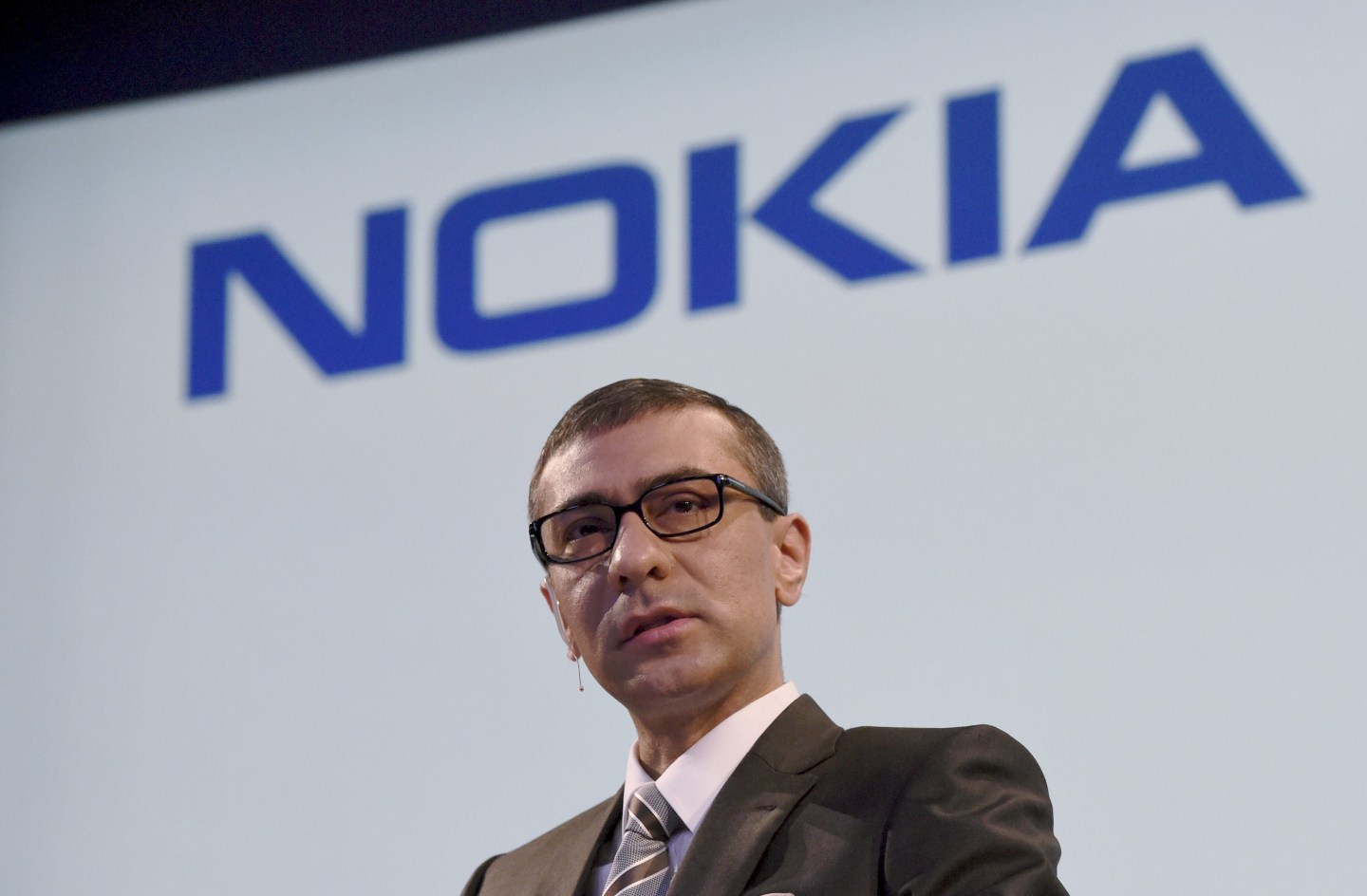
Just as Nokia relied on its past success, individuals often rely on outdated skills. The lesson is not about fear but awareness. Learning, adapting, and questioning existing methods are necessary to stay relevant.
Nokia CEO’s reflection also challenges the idea that failure always comes from mistakes. Sometimes, failure comes from hesitation. Choosing not to change can be as risky as making the wrong decision. The company did not collapse overnight. It slowly lost ground while believing its position was secure.
View this post on Instagram
Today’s business environment moves even faster. Artificial intelligence, automation, and digital platforms are reshaping industries at a pace faster than the mobile revolution. The Nokia story is often cited because it shows what happens when adaptation lags behind innovation.
The statement continues to circulate because it is simple and uncomfortable. It removes excuses and places responsibility on awareness and action. Comfort, once achieved, can quietly become the biggest threat. Also Read: Goa Nightclub Fire Case Brings Legal Trouble for Owners After Court Decision in 2025
Conclusion
Nokia CEO’s words remain a powerful reminder that success is temporary without evolution. Nokia’s decline was not caused by failure to work hard, but failure to change fast enough. In a world driven by constant innovation, survival belongs to those who keep learning, adapting, and moving forward before change becomes unavoidable.
