
The Chairman of the Karnataka State Scheduled Castes and Scheduled Tribes Commission has strongly condemned the killing of a pregnant woman in Dharwad, allegedly linked to opposition to her inter-caste marriage. The incident has sent shockwaves across the state, reigniting debates around caste-based discrimination, honour-related violence, and the continued vulnerability of women who defy entrenched social hierarchies. Describing the crime as “deeply disturbing and unacceptable in a constitutional democracy,” the Commission chairman said the incident reflects the urgent need for stricter enforcement of laws meant to protect marginalised communities.
According to official sources, the victim, who was several months pregnant, had married a man from a different caste against the wishes of her family. The marriage reportedly led to sustained hostility and pressure, culminating in the alleged killing. Police have registered a case and initiated an investigation, while arrests have been made based on preliminary evidence. Authorities stated that the case is being treated with utmost seriousness, given its social implications and the vulnerability of the victim.
The SC/ST Commission chairman, while reacting to the incident, stated that crimes rooted in caste prejudice strike at the very foundation of equality and social justice guaranteed by the Constitution. He emphasised that inter-caste marriages are legally protected and socially essential for dismantling caste barriers, and any act of violence against couples exercising this right must be met with zero tolerance.
The incident has sparked widespread condemnation from political leaders, civil society organisations, and rights activists, many of whom have termed the killing an “honour crime.” They have urged the state government to ensure swift justice and provide comprehensive support to the victim’s family. Activists noted that despite progressive laws, social resistance to inter-caste unions remains strong in several parts of the state.
Police officials stated that the investigation is progressing and that all angles, including conspiracy and prior threats, are being examined. Statements from family members, neighbours, and acquaintances are being recorded to establish the sequence of events. Officials also confirmed that relevant provisions of the Scheduled Castes and Scheduled Tribes (Prevention of Atrocities) Act have been invoked, given the circumstances of the case.
The Commission chairman announced that he would consider recommending a detailed inquiry and monitoring the investigation to ensure accountability. He also stressed the importance of protecting witnesses and ensuring that the case is not weakened by social pressure or intimidation.
Caste, Honour Crimes, and Social Realities
The killing has once again brought to the forefront the persistent issue of honour-based violence linked to caste identity. Experts point out that while urbanisation and education have contributed to changing social attitudes, deeply rooted caste prejudices continue to influence family and community responses to inter-caste relationships. Women, in particular, remain vulnerable when asserting autonomy over marriage choices.
Legal experts have noted that honour crimes, though not recognised as a separate category under Indian law, are prosecuted under existing criminal provisions. In cases involving caste-based violence, additional safeguards are provided under special legislations. However, activists argue that enforcement gaps and delayed justice often embolden perpetrators.
The SC/ST Commission chairman highlighted that inter-caste marriages are encouraged under various government schemes precisely because they challenge discriminatory practices. He warned that failure to protect such couples undermines not only individual rights but also broader social reform efforts. The chairman urged district administrations to proactively identify and support at-risk couples.
Sociologists have observed that resistance to inter-caste marriages is often justified under the guise of tradition or family honour, masking underlying power structures. They stressed that sustained awareness campaigns and community-level engagement are essential to change mindsets and prevent violence.
Civil society groups working on women’s rights and caste equity have called for fast-track courts to handle cases involving honour-based violence. They argue that prolonged trials exacerbate trauma for victims’ families and send a message of impunity. The Dharwad incident, they said, should serve as a wake-up call for systemic reform.
Official Response and Investigation
Senior police officials in Dharwad district stated that immediate action was taken following the discovery of the crime. A special investigation team has been constituted to ensure a thorough and impartial probe. Authorities confirmed that forensic evidence is being collected and that digital records, including phone data, are being examined to trace communication and intent.
The district administration has also stepped in to assess the need for additional security for the victim’s husband and other vulnerable individuals connected to the case. Officials emphasised that preventing retaliatory violence or intimidation is a priority, given the sensitive nature of the incident.
The SC/ST Commission chairman noted that the Commission would seek a detailed report from the police and district authorities. He reiterated that any lapse in investigation or attempt to dilute charges would be viewed seriously. The Commission, he said, is empowered to recommend disciplinary action against officials if negligence is established.
State government representatives expressed condolences to the victim’s family and assured that justice would be delivered. They stated that the government remains committed to eradicating caste-based violence and protecting women’s rights. Officials highlighted existing welfare and legal aid mechanisms available to affected families.
Legal aid authorities have reportedly reached out to the victim’s family to offer assistance. Counselling support is also being considered, given the trauma associated with the loss and the circumstances surrounding the crime. Officials stressed that comprehensive support is crucial in cases involving social stigma and fear.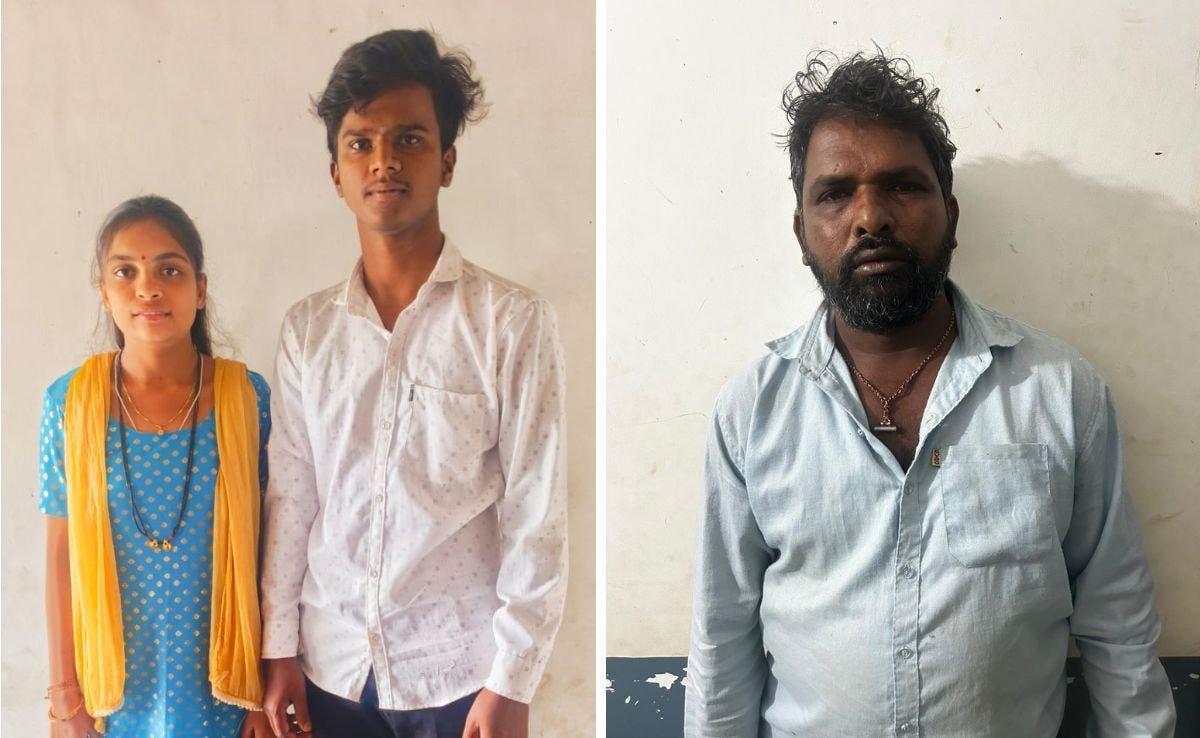
Public Reaction and Political Discourse
The killing has generated strong reactions across the political spectrum. Leaders from various parties condemned the incident and called for stringent punishment for those responsible. Some leaders demanded that the case be tried in a fast-track court to ensure timely justice and deterrence.
Student groups and rights organisations organised protests and candlelight vigils, expressing solidarity with the victim and her family. Demonstrators called for stronger safeguards for inter-caste couples and better implementation of existing laws. They also urged political leaders to move beyond rhetoric and ensure concrete action.
On social media, the incident has sparked widespread debate on caste, patriarchy, and women’s autonomy. Many users highlighted the contradiction between constitutional values and ground realities, questioning why such incidents continue despite legal protections. Others called for education reforms to address caste prejudice from an early age.
The SC/ST Commission chairman acknowledged the public outrage and stated that societal vigilance is essential in combating caste-based violence. He urged citizens to report threats or harassment faced by inter-caste couples and to support victims rather than isolating them.
Institutional Accountability and Preventive Measures
Experts have stressed that preventing honour-based crimes requires coordinated action across institutions. This includes proactive policing, responsive local administrations, and accessible support systems for couples facing opposition. The Dharwad incident, they said, underscores the consequences of delayed intervention.
The Commission chairman reiterated the need for district-level monitoring committees to track cases involving caste-based threats and violence. He suggested that local officials, police, and social welfare departments work together to identify warning signs and intervene early.
Awareness programs highlighting the legality and social importance of inter-caste marriages have been recommended as a preventive measure. Officials noted that community leaders, educators, and religious figures can play a role in challenging harmful norms and promoting acceptance.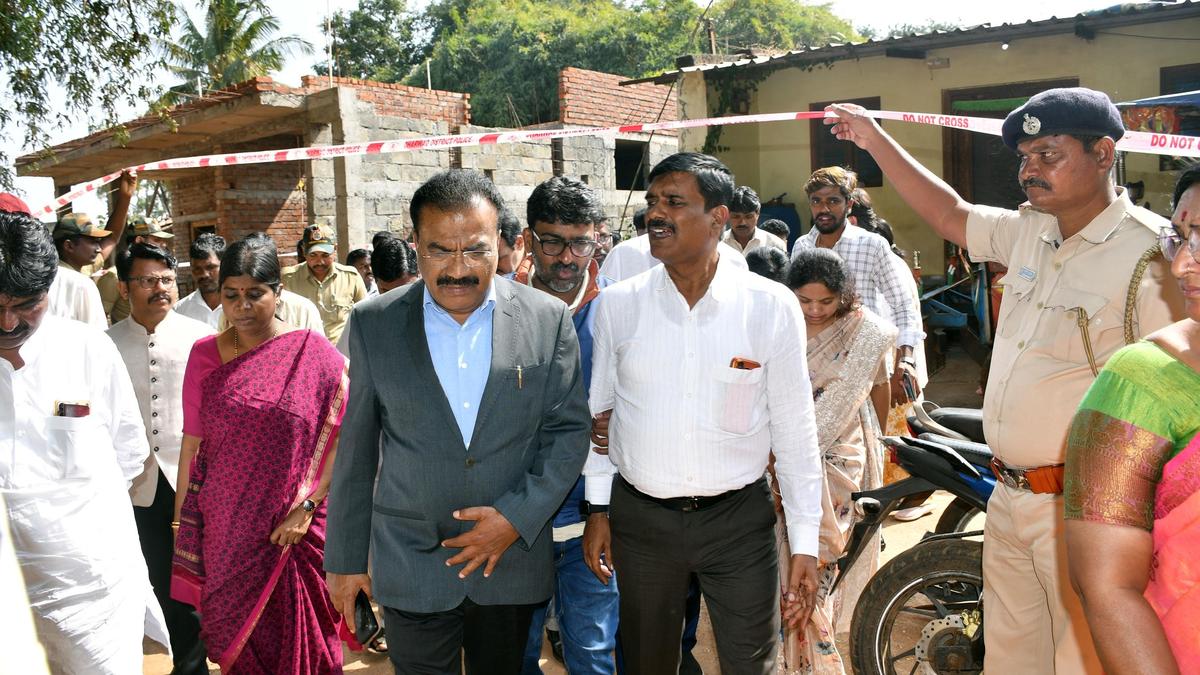
Future Outlook and the Road Ahead
The killing of a pregnant woman over an inter-caste marriage has left a deep scar on the conscience of the state. While the investigation continues, the incident has renewed calls for stronger institutional resolve and societal introspection. Authorities have acknowledged that legal action alone is insufficient without sustained efforts to change attitudes.
The SC/ST Commission chairman stated that the Commission would continue to monitor similar cases and advocate for policy reforms where necessary. He emphasised that protecting the dignity, life, and choices of individuals from marginalised communities is a constitutional obligation that must be upheld without compromise.
As the Dharwad case moves through the justice system, its outcome is likely to influence future approaches to honour-based violence in Karnataka. Observers noted that swift and decisive action could send a powerful message against caste-based crimes, while delays could reinforce fear and mistrust.
In conclusion, the condemnation by the SC/ST Commission chairman reflects not only outrage over a single incident but also a broader demand for accountability and reform. The killing has exposed persistent social fault lines and the urgent need to bridge the gap between law and lived reality. Ensuring justice for the victim, protecting vulnerable couples, and fostering a culture of equality remain critical challenges that the state must confront with determination and empathy.
Follow: Karnataka Government
Also read: Home | Channel 6 Network – Latest News, Breaking Updates: Politics, Business, Tech & More
