
Pakistan’s (PAK) military relationship with the Arab world has long been shaped by history faith and strategic necessity. From training missions in Saudi Arabia to advisory roles in Gulf states Pakistan’s armed forces have maintained a quiet but consistent presence across the Middle East. Now as regional conflicts evolve and power alignments shift a broader question is emerging — can they expand its military footprint from Saudi Arabia to Sudan and beyond?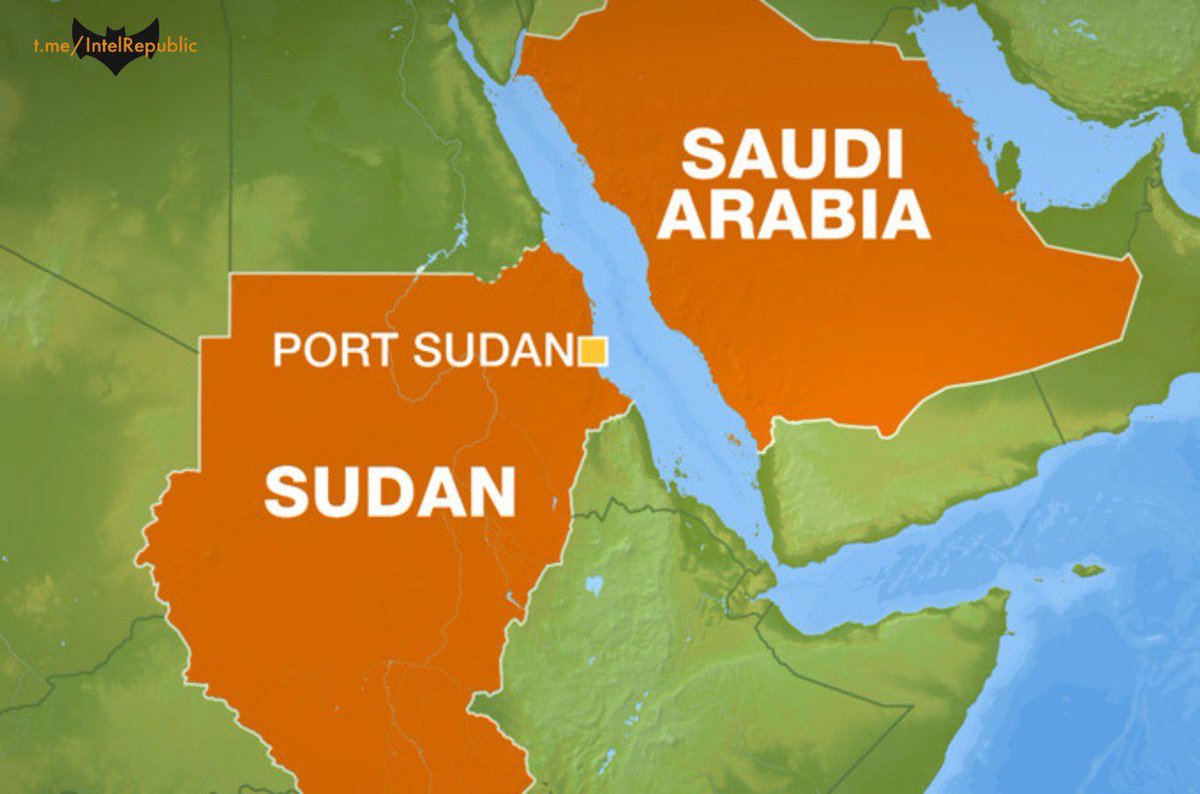
A Legacy of Military Cooperation
PAK’s defence ties with Arab nations date back decades. Saudi Arabia has been the cornerstone of this relationship with Pakistani troops stationed in the kingdom for training and defensive purposes for years. Pakistani military officers have also served as advisers in countries like the UAE Qatar and Oman strengthening institutional links and interoperability.
These deployments have traditionally focused on training capacity building and internal security rather than direct combat. This approach has allowed Pakistan to project influence without becoming entangled in regional rivalries or conflicts.
Why the Arab World Looks to Pakistan
Arab states value PAK’s professional military experience particularly its counterterrorism expertise and conventional warfare training. Pakistan’s armed forces are seen as disciplined apolitical and cost-effective compared to Western military contractors.
Additionally to the identity as a Muslim-majority, this country adds a layer of comfort for Arab regimes seeking security cooperation without domestic backlash. Unlike Western forces Pakistani deployments are often framed as brotherly assistance rather than foreign intervention.
Sudan and the Red Sea Factor
Sudan represents a different kind of opportunity and challenge. The country sits at a strategic crossroads near the Red Sea a vital global trade route. With Sudan facing prolonged instability several Arab states have shown interest in stabilising the region to protect maritime security and economic interests.
It has so far avoided direct involvement in Sudan’s internal conflicts. However its experience in peacekeeping missions under the United Nations gives it a potential role in training or stabilisation efforts should a multilateral framework emerge. Any expansion into Africa would likely occur under international or Arab League backing rather than unilateral deployment.
Constraints and Strategic Caution
Despite these opportunities Pakistan faces clear limitations. Domestically the military remains heavily focused on internal security border tensions and economic challenges. Expanding overseas commitments could strain resources and invite political scrutiny at home.
There is also the delicate balance of regional neutrality. PAK has consistently avoided taking sides in Middle Eastern rivalries particularly between Saudi Arabia and Iran. A larger military footprint risks upsetting this balance and could complicate Pakistan’s relations with Tehran and other regional players.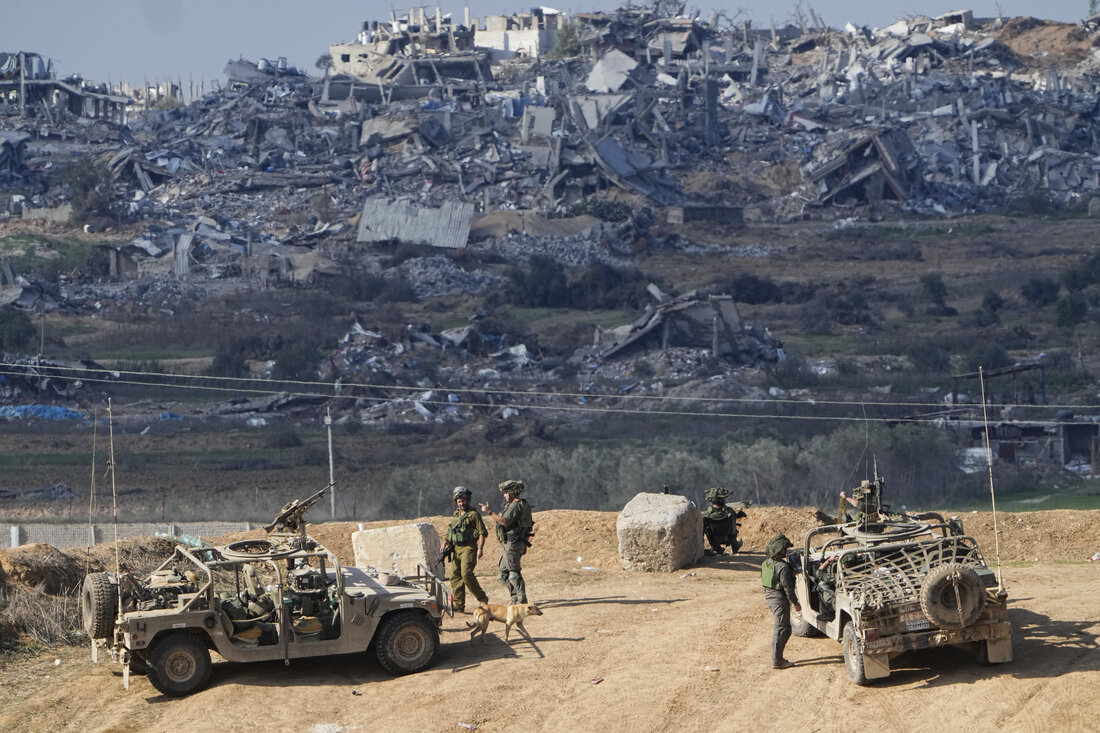
Islamabad’s refusal to join the Saudi-led Yemen war remains a defining example of this cautious approach. The decision underscored PAK’s preference for strategic restraint over alignment in sectarian or geopolitical conflicts.
Economic and Diplomatic Incentives
Still expanding military cooperation offers tangible benefits. Defence partnerships often translate into economic aid energy agreements and diplomatic support. For a country facing persistent economic pressure Pakistan may view defence diplomacy as a tool to strengthen financial ties with wealthy Gulf states.
Training missions joint exercises and advisory roles allow Pakistan to maintain influence while minimising risk. These engagements also help Pakistani officers gain international exposure and operational experience.
What Expansion Would Really Look Like
Any expansion of Pakistan’s military presence is unlikely to resemble permanent bases or large troop deployments. Instead it would likely involve rotational training units joint security initiatives and technical advisory roles.
Such a model aligns with it’s historical approach — visible enough to matter but limited enough to avoid entanglement. Expansion would be gradual selective and heavily dependent on host country requests.
The Road Ahead
Pakistan stands at a crossroads where opportunity meets caution. From Saudi Arabia to Sudan the demand for experienced military partners is real. Yet Islamabad’s leadership understands that influence must be balanced against overstretch and geopolitical risk.
For now they appear inclined to expand its footprint quietly through cooperation rather than confrontation. Whether this measured strategy evolves into a broader regional role will depend on regional stability domestic priorities and Pakistan’s ability to walk the fine line between engagement and restraint.
In the Arab world Pakistan remains a trusted military partner. The question is not whether it can expand its footprint — but how far it is willing to go without compromising its own strategic balance.
