
Parle-G Biscuit Stopped Production Long Ago, Now the Historic Factory Faces Redevelopment
Parle-G biscuit stopped being baked in the familiar lanes of Vile Parle East nearly a decade ago, but the emotional connection never faded. Now, the physical symbol of that legacy, the original Parle Products factory, is preparing to exit Mumbai’s industrial memory. Parle Products has proposed a large-scale redevelopment of its oldest manufacturing site, marking the end of an era for one of India’s most recognisable consumer brands.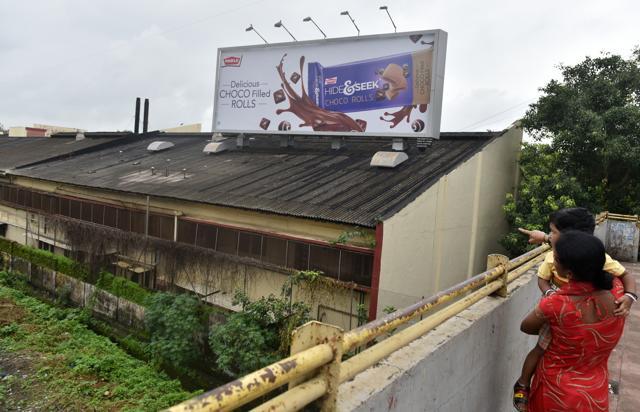
Located in Vile Parle East, the factory once filled the neighbourhood with the unmistakable aroma of freshly baked biscuits. For generations of Mumbaikars, the area was closely tied to Parle-G, a biscuit that became part of everyday Indian life. With the factory’s closure in mid-2016 and the latest redevelopment plans, the site is moving from industrial heritage to commercial future.
Parle-G Biscuit Stopped Production but the Land Holds Enormous Value
Parle-G biscuit stopped rolling out of this factory years ago, but the land it occupies has only grown in importance. Spread across 5.44 hectares or approximately 13.45 acres, the Vile Parle East property is among the most valuable land parcels in suburban Mumbai. According to the redevelopment proposal, the site will be transformed into a commercial complex with a total built-up area of over 1.9 lakh square metres.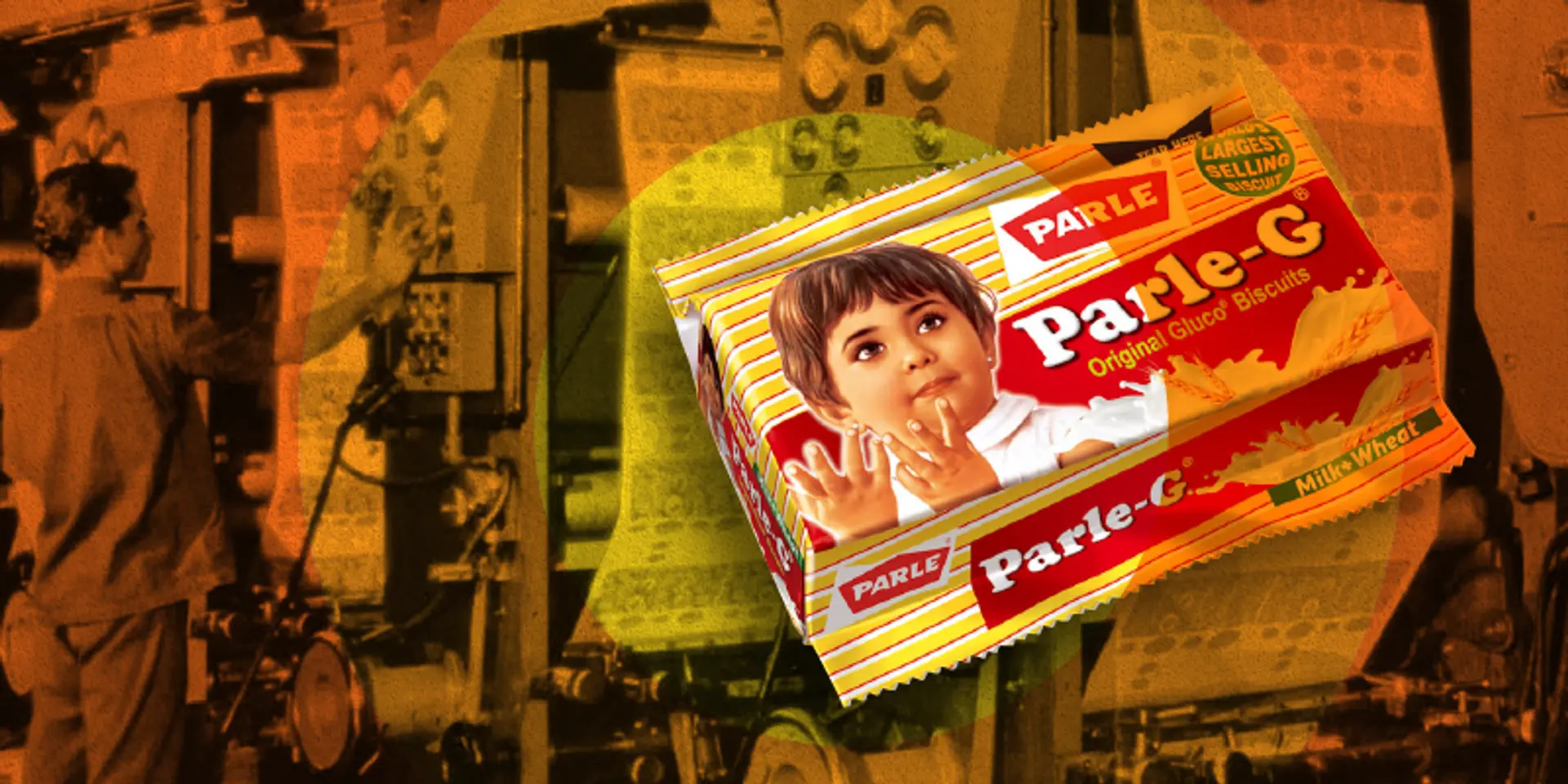
The plan includes around 1.21 lakh square metres of construction under Floor Space Index norms, along with nearly 68,700 square metres of non-FSI development. The estimated project cost stands at approximately ₹3,961 crore, reflecting both the scale of the project and the premium nature of the location.
This redevelopment aligns with a broader shift across Mumbai, where older industrial lands are being repurposed to meet growing demand for commercial and mixed-use spaces. As manufacturing gradually moved out of the city due to space and cost constraints, heritage factory sites like Parle’s have become key targets for urban redevelopment.
Parle-G Biscuit Stopped but Its Cultural Impact Remains
Parle-G biscuit stopped production at the Vile Parle factory, but its cultural presence remains deeply rooted in Indian society. Launched in the early 20th century, Parle-G became one of the most affordable and widely consumed biscuits in the country. The Vile Parle factory was not just a manufacturing unit; it was the birthplace of a brand that reached millions of households across urban and rural India.

For local residents, the factory represented steady employment, identity, and pride. Many families in the area had at least one member associated with Parle Products at some point. The closure of the factory in 2016 marked a silent shift, with machines stopping but memories continuing.
Urban experts note that while redevelopment is often necessary, it also raises questions about preserving industrial heritage. Unlike mills and textile structures that have found partial preservation in some projects, food manufacturing sites rarely receive the same attention. In the case of the Parle factory, there has been no indication so far of heritage conservation elements being retained.
Parle-G Biscuit Stopped and Mumbai’s Urban Story Moves Forward
Parle-G biscuit stopped production at this site, but the redevelopment reflects Mumbai’s evolving economic priorities. The city has steadily transitioned from manufacturing to services, finance, and commercial real estate. Large redevelopment projects such as this one are seen as responses to space scarcity and rising land values.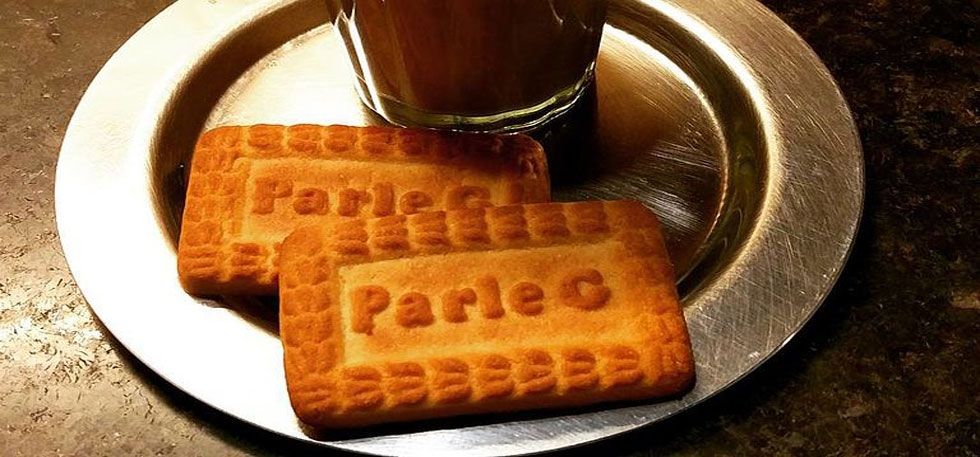
Parle Products, meanwhile, continues its manufacturing operations from other locations, ensuring that the brand itself remains unaffected. The decision to redevelop the Vile Parle site is seen as a strategic move to unlock the value of underutilised land while adapting to modern business needs.
View this post on Instagram
For many, the transformation brings mixed emotions. While the project promises economic activity and urban renewal, it also signals the disappearance of a tangible link to Mumbai’s industrial past. The quiet lanes once scented with biscuits will soon be part of a high-value commercial zone. Also Read: Indian Navy’s First Training Squadron Concludes Port Call at Phuket, Strengthening Maritime Ties with Thailand: 2026
Conclusion
Parle-G biscuit stopped production at its birthplace years ago, and now the iconic Vile Parle factory is preparing for a complete transformation. As redevelopment plans move forward, the site stands as a reminder of how brands, cities, and industries evolve. While the factory may fade into history, the legacy of Parle-G continues to live on in Indian homes across generations.
