
A public statement by Ashok, a prominent civic leader, has sparked debate and drawn attention to the conduct of police forces in the state. Speaking at a press briefing, he claimed that law enforcement agencies are increasingly being reported in the media not for effective crime prevention or arrests, but for acts that violate legal norms and public trust. The statement comes amid a series of high-profile incidents involving alleged procedural lapses, custodial controversies, and accusations of overreach by police personnel across Karnataka.
Ashok also highlighted the role of citizen feedback and community policing in improving accountability. He suggested that regular public hearings, complaint portals, and citizen advisory committees could serve as early warning systems for misconduct. Such mechanisms, he argued, would allow law enforcement to identify procedural gaps and correct behaviour before minor lapses escalate into high-profile controversies. Experts agree that engaging communities in oversight not only improves transparency but also strengthens the relationship between police and the public, fostering cooperation in investigations and crime prevention while reinforcing the legitimacy of the force.
In conclusion, Ashok urged the government and police leadership to treat accountability as a continuous process rather than a reactive measure. He emphasised that training, supervision, legal compliance, and technological monitoring must be integrated into a systemic framework to prevent officers from making headline-grabbing errors. By combining internal reforms with public engagement and strict enforcement of rules, he said, the police can restore trust, ensure justice, and focus on their core mission of maintaining law and order. The statement serves as both a warning and a roadmap for institutional improvement.
According to Ashok, this trend undermines public confidence and shifts focus from crime-fighting to controversies that tarnish the reputation of law enforcement. He stressed that while officers are tasked with maintaining law and order, accountability and adherence to legal procedures are equally important. “When the police themselves break laws, intentionally or due to negligence, it erodes trust and compromises the justice system,” he said.
Ashok cited recent cases where police action has been questioned in courts and criticised by civic groups. These include custodial deaths, mishandling of sensitive investigations, and reports of officers exceeding their authority. He argued that such incidents, widely covered by media, overshadow the efforts of honest officers who work diligently to apprehend criminals and maintain public safety.
PUBLIC TRUST AND POLICE ACCOUNTABILITY
Experts say that police credibility is central to effective governance. Citizens are less likely to cooperate with law enforcement if they perceive officers as violating legal norms. Ashok highlighted that accountability mechanisms, such as internal inquiries and oversight by independent bodies, need to be strengthened. He urged the government to ensure that disciplinary action is swift, transparent, and fair to prevent recurrence of misconduct.
Civic groups welcomed Ashok’s statement, noting that while policing is inherently challenging, systemic reforms are essential. They emphasised the need for proper training in ethics, legal procedures, and human rights, alongside measures to reduce political interference in policing. Many activists argued that an honest and accountable police force is not just beneficial for citizens but also enhances the morale and reputation of officers themselves.
The state police department, when approached for comment, reiterated that it has mechanisms to investigate allegations against officers and that most personnel uphold law and order professionally. Officials stressed that a small number of incidents should not overshadow the work of thousands of officers committed to public safety. They also said that ongoing reforms, including technology-driven monitoring and internal audits, aim to improve accountability and reduce misconduct.
IMPACT ON LAW ENFORCEMENT AND PUBLIC PERCEPTION
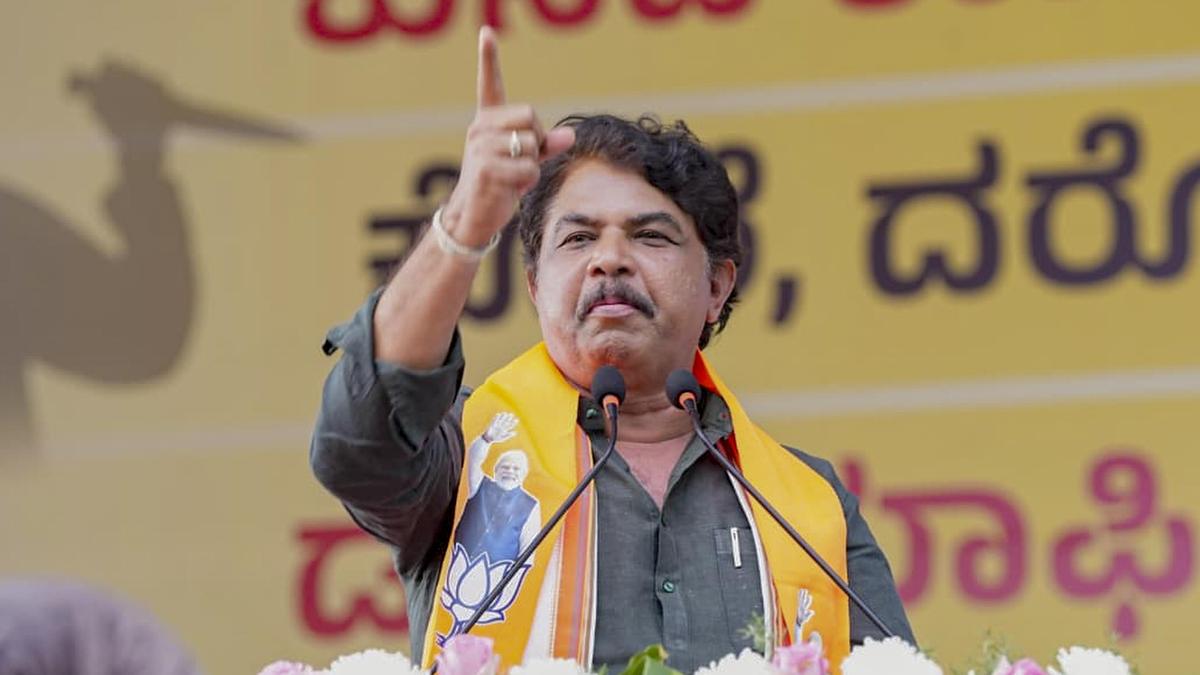
Ashok’s statement has generated discussion in political and social circles about the balance between enforcement and adherence to legal norms. Analysts note that repeated controversies can undermine citizen confidence, making law enforcement less effective even in routine crime prevention. They argue that public perception is as important as operational efficiency; a police force perceived as law-abiding earns greater cooperation from the community.
The remarks also sparked debate on social media, with citizens expressing frustration over reported cases of police misconduct. Many pointed to high-profile controversies and lapses in investigation protocols as examples supporting Ashok’s claim. Others emphasised that while accountability is necessary, the broader efforts of law-abiding officers must be acknowledged to maintain morale and public cooperation.
Officials from police reform bodies suggest implementing independent oversight panels, enhanced grievance mechanisms, and public reporting systems. Such measures, they argue, can address complaints effectively while providing transparency. They emphasised that constructive criticism, like that raised by Ashok, should be used to strengthen institutional practices rather than politicised.
Several senior citizens’ forums and human rights organisations have echoed Ashok’s concerns, noting that repeated instances of police misconduct erode faith in the criminal justice system. They emphasised that while individual officers may act improperly, systemic issues such as lack of accountability, political interference, and insufficient training often exacerbate misconduct. Many argued that citizens are hesitant to report crimes or cooperate in investigations if they fear harassment or unlawful actions, which ultimately hinders crime detection and resolution. Experts recommend independent monitoring committees to review complaints and ensure transparency in disciplinary actions against erring officers.
Civil society leaders have urged the state government to prioritise reforms in police training, particularly in areas such as legal procedures, human rights, and ethical decision-making. They argue that modern policing must balance enforcement with fairness and respect for due process. Training alone, they say, is not enough; robust supervision, mentoring, and evaluation mechanisms must ensure that officers internalise these principles. Ashok stressed that public scrutiny, combined with institutional checks, is essential to prevent situations where the police are themselves accused of breaking the law they are meant to enforce.
Analysts note that media coverage of police lapses has grown, with investigative journalism exposing custodial deaths, illegal detentions, and procedural violations. While such reporting can be uncomfortable for authorities, it is necessary to maintain transparency. Ashok argued that instead of dismissing criticism, the police must use it as an opportunity to review practices, strengthen protocols, and demonstrate accountability. Experts say that openness to critique enhances institutional legitimacy and public cooperation, ultimately improving both the effectiveness and perception of law enforcement agencies.
Ashok also highlighted cases where investigations were mishandled due to procedural lapses, leading to acquittals or prolonged trials. He said that failures in following the law not only let perpetrators escape justice but also demoralise honest officers who adhere to proper procedures. “When the system rewards shortcuts or ignores negligence, it sends the wrong message internally and externally,” he noted. Observers say this dual impact—on public trust and internal morale—underscores the critical importance of stringent adherence to legal and ethical standards within police departments.
The civic leader suggested that accountability must extend to supervisory officers who fail to monitor subordinates effectively. Investigations into misconduct should assess whether lapses were due to individual negligence, systemic failures, or inadequate supervision. Experts emphasise that a culture of accountability requires leaders to take responsibility, ensure compliance with protocols, and foster an environment where officers are encouraged to act lawfully even under pressure. Ashok argued that ignoring supervisory responsibility allows misconduct to persist unchecked, eroding the credibility of the police institution as a whole.
Ashok called for better integration of technology in policing to reduce human error and increase transparency. Automated case management systems, body cameras, and GPS tracking can help monitor officer conduct and ensure adherence to procedures. Experts argue that technological tools can provide impartial records of police activity, reducing opportunities for negligence or unlawful actions. Combined with strong training and accountability frameworks, these measures can help prevent situations where officers are in the news for breaking laws rather than enforcing them effectively.
Public reactions to Ashok’s statement have been mixed, with citizens praising the call for accountability while some police unions criticised the remarks as unfair generalisation. Union representatives said that most officers work diligently under challenging conditions and that highlighting misconduct alone overlooks their contributions. Analysts note that such tension is common when systemic criticism intersects with institutional pride. Ashok countered that acknowledging wrongdoing does not diminish honest officers’ efforts but is necessary to strengthen overall credibility and ensure the police remain answerable to the law and public trust.
Experts in criminal justice say that recurring cases of misconduct suggest a need for independent oversight bodies with the power to investigate allegations and recommend action. Ashok echoed this sentiment, suggesting the establishment of a state-level police accountability commission. Such a body could function separately from internal police hierarchies, review complaints impartially, and make enforceable recommendations for disciplinary or legal proceedings, thereby reinforcing transparency and trust in law enforcement institutions.
The statement has reignited debate about political influence over policing. Analysts note that undue interference can pressure officers into violating procedures or prioritising politically motivated actions over legal obligations. Ashok emphasised that law enforcement must remain autonomous in decision-making, accountable only to legal frameworks and judicial oversight. Maintaining independence, he said, is essential for justice and for preventing situations where officers are publicly criticised for acting outside the law or failing to uphold legal standards.
Finally, Ashok stressed that improving public trust requires a combination of reforms, training, supervision, and citizen engagement. He urged authorities to actively implement recommendations from past reports on police accountability and human rights. By doing so, he argued, law enforcement agencies can reclaim the narrative—being recognised for crime prevention and protection rather than controversy. Citizens, civil society, and police alike have a stake in ensuring that the force remains a symbol of integrity, fairness, and professionalism rather than an institution criticised for breaking the law it is meant to uphold.
Follow: Karnataka Government
Also read: Home | Channel 6 Network – Latest News, Breaking Updates: Politics, Business, Tech & More
