
The political temperature in Karnataka rose sharply after the Deputy Chief Minister stated that the High Command would have to react, a remark that has triggered intense speculation within party circles and beyond. Though brief, the statement carried weight, hinting at internal pressures, unresolved issues, and expectations of intervention from the central leadership. In a State where political messaging is often layered and deliberate, the comment has been read as both a warning and a call for decisive action.
The Deputy Chief Minister’s assertion came amid ongoing churn within the ruling establishment, where competing interests, organisational challenges, and public perception are increasingly intersecting. While the remark did not specify the exact issue that warrants the High Command’s response, it was widely interpreted as a signal that matters have reached a point where local leadership alone may not be able to contain them. Political observers note that such statements are rarely made casually, especially by senior leaders occupying constitutional and party positions.
Within the party, reactions have ranged from guarded agreement to visible discomfort. Some leaders privately acknowledged that intervention from the top leadership could help clarify direction and restore cohesion. Others, however, expressed concern that public references to the High Command might expose internal differences and embolden opposition narratives. The comment has thus opened a window into the delicate balance between State autonomy and central oversight in party functioning.
The timing of the statement has further amplified its impact. With administrative decisions, governance priorities, and electoral calculations all unfolding simultaneously, any hint of internal strain draws attention. The Deputy Chief Minister’s words have been dissected for intent, tone, and implication, with analysts debating whether they were meant to accelerate decision-making or simply reflect frustration at delays.
For the opposition, the remark has provided fresh ammunition. Leaders from rival parties were quick to frame it as evidence of instability and lack of coordination within the ruling camp. They argued that if even senior figures are looking to the High Command for resolution, it suggests a leadership vacuum at the State level. The ruling party, however, has countered this narrative by portraying the comment as a sign of internal democracy and respect for organisational processes.
Public response has been equally mixed. While some citizens see the involvement of the High Command as a way to ensure accountability and discipline, others worry that excessive centralisation could dilute State-specific priorities. The statement has thus resonated beyond political corridors, touching on broader questions about governance, federal balance, and leadership responsibility.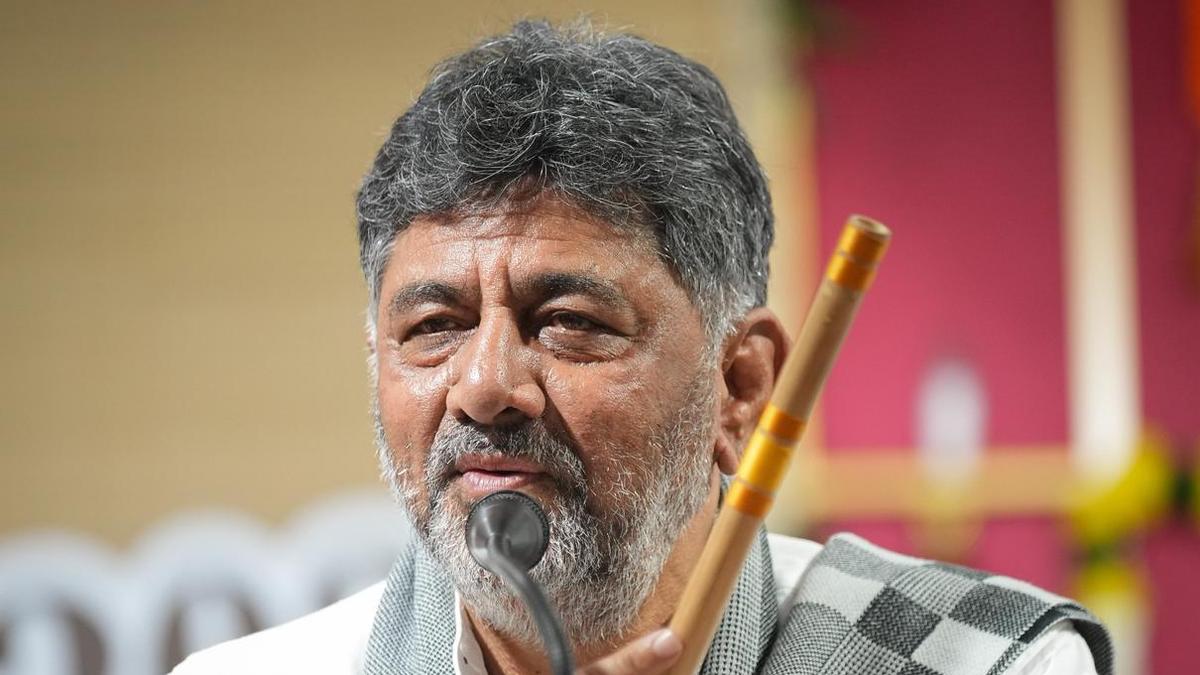
Signals from the Top and Tensions Within
The reference to the High Command is significant in a party structure where central leadership traditionally plays a decisive role. Historically, such interventions have been invoked during moments of crisis, factional conflict, or strategic recalibration. The Deputy Chief Minister’s comment suggests that one or more of these conditions may be at play, even if they have not been openly articulated.
Sources within the party indicate that unresolved organisational matters and competing claims of influence have created a sense of drift. While governance continues, internal coordination is said to be under strain, with differing viewpoints on policy emphasis and political messaging. In this context, a response from the High Command is seen by some as a means to impose clarity and direction.
Senior leaders have been careful in their public statements following the remark. Most have avoided directly endorsing or contradicting the Deputy Chief Minister, choosing instead to emphasise unity and collective responsibility. This measured response reflects an awareness of the sensitivity of the moment, as well as the potential consequences of escalating the issue in the public domain.
The Deputy Chief Minister’s position adds another layer of complexity. As a key figure in both government and party hierarchy, his words carry institutional weight. Analysts note that such a leader invoking the High Command may be signalling limits to his own capacity to resolve certain matters internally. Alternatively, it could be a strategic move to prompt quicker decisions from the top, using public discourse as leverage.
Factional dynamics, long a feature of Karnataka politics, cannot be ignored in interpreting the statement. Different groups within the party are believed to be vying for greater influence, particularly with an eye on future electoral contests. In such a scenario, the High Command often acts as an arbiter, balancing interests and preventing open confrontation. The current moment appears to be testing that role once again.
At the same time, the party’s central leadership is known to be cautious about intervening too frequently in State affairs. Overuse of authority can breed resentment and weaken local leadership. The Deputy Chief Minister’s comment, therefore, places the High Command in a delicate position, where inaction could be seen as indifference, while action could be construed as overreach.
Political Consequences and the Road Ahead
The immediate impact of the statement has been to intensify scrutiny of the ruling party’s internal functioning. Media discussions and political debates have focused not just on the content of the remark, but on what it reveals about underlying tensions. This spotlight may compel leaders to address issues more openly or, conversely, to close ranks and project unity.
For governance, the implications depend on how the situation unfolds. A swift and clear response from the High Command could stabilise the party and reinforce administrative focus. On the other hand, prolonged uncertainty or visible disagreement could distract from policy implementation and decision-making. The Deputy Chief Minister’s words have thus raised the stakes for timely resolution.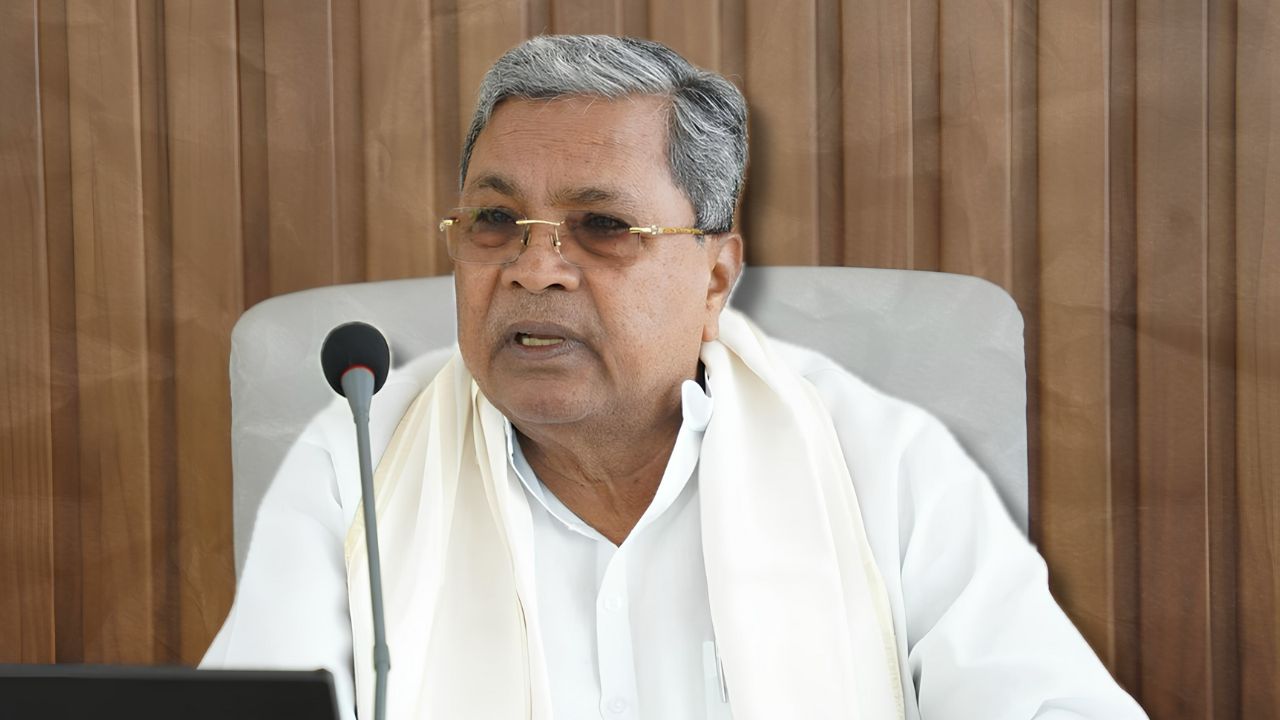
Opposition parties are likely to continue exploiting the episode to question the ruling party’s coherence. By framing the comment as evidence of internal discord, they aim to erode public confidence. How effectively the ruling party counters this narrative will shape political perceptions in the coming months.
The episode also highlights a recurring tension in Indian politics between central authority and State leadership. While the High Command model offers a mechanism for conflict resolution, it also raises questions about decentralisation and empowerment of State units. The Deputy Chief Minister’s remark has brought this debate into sharp relief, reminding observers that organisational structures have real consequences for governance.
Within the party, the statement may act as a catalyst for introspection. Leaders may reassess communication strategies, internal consultation mechanisms, and conflict management processes. If handled constructively, the moment could lead to reforms that strengthen cohesion and clarity. If mishandled, it risks deepening divides.
Public expectations remain focused on outcomes rather than internal dynamics. Citizens are less concerned with who intervenes than with whether governance improves. The High Command’s response, if any, will ultimately be judged by its impact on stability, policy delivery, and political accountability.
In the end, the Deputy Chief Minister’s assertion that the High Command will have to react has crystallised a moment of choice for the party. It can either address underlying issues decisively and restore equilibrium, or allow ambiguity to persist, inviting further speculation and pressure. As Karnataka’s political landscape watches closely, the coming response may well shape not just internal equations, but the broader narrative of leadership and responsibility in the State.
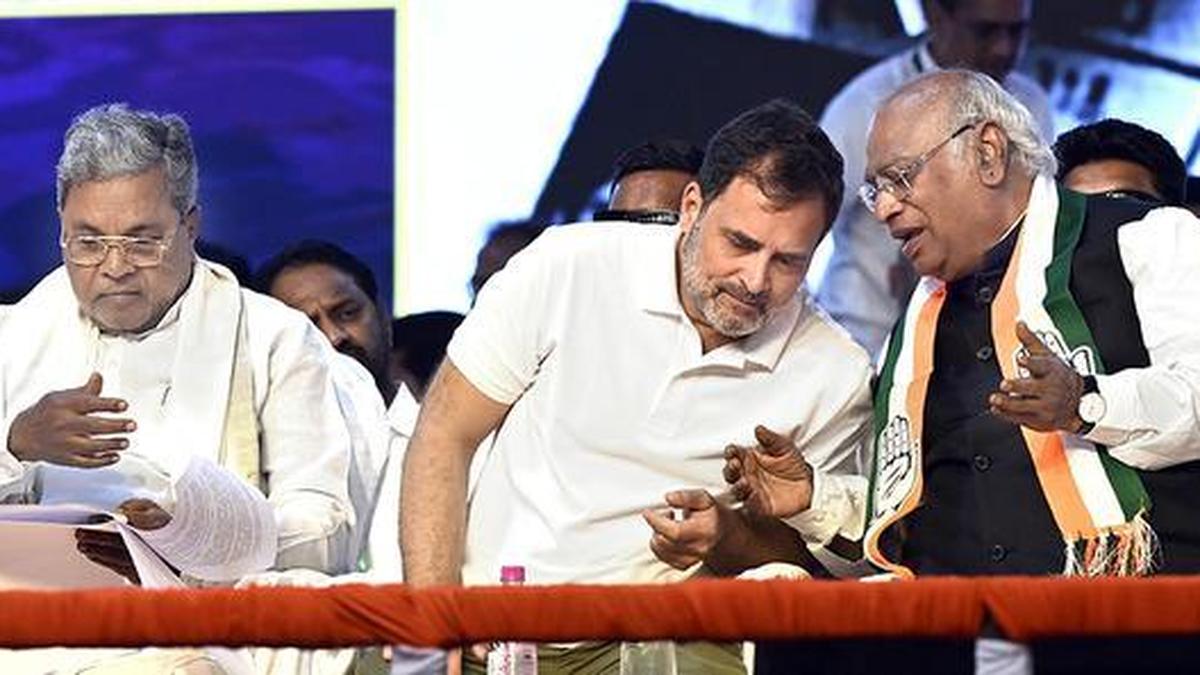
The statement has also reignited discussions about communication discipline within the party. Senior leaders privately admit that remarks made in public forums, even when carefully worded, can take on a life of their own once interpreted by media and political rivals. As a result, there is growing emphasis on aligning internal concerns with internal platforms, rather than allowing them to spill into the public domain. Whether this episode leads to tighter messaging controls remains to be seen.
Political analysts point out that the Deputy Chief Minister’s remark may also be aimed at reassuring certain sections within the party rather than provoking confrontation. By invoking the High Command, the leadership signals that grievances or unresolved questions are not being ignored, but are instead being escalated through established channels. In that sense, the comment could be read as an attempt to calm internal anxieties while buying time for a structured response.
There is also speculation that the High Command’s eventual reaction, if it comes, may not be overt. Instead of dramatic announcements or reshuffles, it could take the form of behind-the-scenes consultations, advisory messages, or subtle reallocation of responsibilities. Such quiet interventions have often been preferred to avoid public escalation while still addressing core issues. Observers say this approach would align with the party’s recent tendency to prioritise stability over spectacle.
For the Deputy Chief Minister personally, the episode places him under sharper scrutiny. As a prominent face of the government, his words are now being weighed for consistency with future actions. Any perceived gap between statement and outcome could affect his political standing, while a timely resolution could strengthen his image as a leader willing to confront uncomfortable realities rather than gloss over them.
As the situation develops, attention will remain fixed on both the State leadership and the central command. The episode has already altered the political conversation, shifting focus from routine governance to questions of authority, coordination, and internal balance. Whether this moment becomes a turning point or fades into the background will depend largely on how decisively and thoughtfully the party responds in the days ahead.
Follow: Karnataka Government
Also read: Home | Channel 6 Network – Latest News, Breaking Updates: Politics, Business, Tech & More
