
The Republic Day celebrations in Mysuru this year carried a special emotional resonance as pourakarmikas, the city’s sanitation workers, took part in the ceremonial march past. Their presence on the parade ground symbolized recognition of a workforce that usually operates behind the scenes, ensuring urban cleanliness and public health. As they marched in uniform, many spectators stood in applause, acknowledging the dignity of labour and the essential services these workers provide daily. The inclusion of pourakarmikas in the formal proceedings reflected a broader message of social respect, equality, and appreciation for roles that are vital yet often overlooked in civic life.
The event unfolded at the district-level Republic Day function, attended by government officials, elected representatives, and members of the public. Cultural performances, flag hoisting, and official addresses formed part of the ceremony, but the march by sanitation workers emerged as one of the most talked-about moments. Organizers noted that the decision aimed to highlight the contributions of frontline civic staff who maintain hygiene and sanitation across Mysuru. By placing them in a position of honour during a national celebration, authorities sought to underline the idea that nation-building involves the efforts of every worker, regardless of occupation.
For many pourakarmikas, the experience was described as deeply meaningful. Participants expressed that being part of the march gave them a sense of visibility and validation rarely experienced in their routine work. Wearing coordinated attire and marching alongside other uniformed contingents brought a feeling of pride. Some workers shared that their families watched from the stands, adding to the emotional weight of the occasion. Observers noted that such gestures can boost morale among civic workers, whose responsibilities often involve physically demanding tasks carried out in challenging environments throughout the year.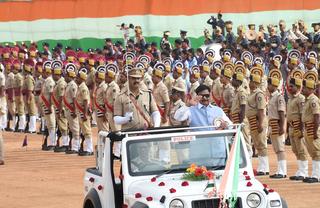
Officials at the event emphasized that sanitation workers play a critical role in safeguarding public health. Their daily efforts in waste collection, street cleaning, and maintenance of public spaces form the backbone of urban management. The Republic Day platform, they said, was an opportunity to publicly recognize this service. Speeches during the function highlighted how cleanliness drives, disease prevention, and environmental upkeep depend significantly on the commitment of pourakarmikas. By honouring them in a ceremonial setting, the administration aimed to strengthen the message that their work is not merely routine labour but an essential public service.
RECOGNITION OF UNSUNG CIVIC HEROES
Social observers believe that such recognition helps challenge long-standing social perceptions surrounding sanitation work. Historically, these occupations have often been associated with social stigma, limiting appreciation for the people involved. Public acknowledgment during a prestigious national event can contribute to shifting attitudes and promoting respect. Educational institutions present at the ceremony reportedly discussed the significance of the gesture with students, reinforcing lessons about dignity of labour. The visual of sanitation workers marching confidently on Republic Day created a powerful narrative about inclusion and the evolving understanding of essential services in modern civic life.
The Mysuru initiative also reflects a broader conversation on worker welfare and inclusion. Civic authorities have in recent years discussed improving working conditions, safety measures, and access to benefits for sanitation staff. While ceremonial recognition is symbolic, it can accompany practical steps toward welfare improvements. Officials indicated that such gestures are part of ongoing efforts to bring greater visibility to the needs and contributions of municipal workers. Observers say that recognition at public events can build public support for policies aimed at strengthening protections, health safeguards, and social security for this segment of the workforce.
Residents attending the parade responded positively to the participation of pourakarmikas. Many spectators were seen applauding as the contingent passed the main dais. Conversations among attendees reflected appreciation for the idea that Republic Day celebrations can spotlight diverse contributors to society. Parents reportedly explained to children the importance of sanitation work, turning the moment into an informal civic lesson. This public engagement suggests that symbolic acts during national events can influence everyday attitudes, encouraging communities to view sanitation workers with greater respect and gratitude.
Civic groups in Mysuru noted that the inclusion aligns with efforts to promote cleanliness and environmental awareness. Campaigns encouraging responsible waste disposal and public hygiene often rely on community cooperation. Recognizing sanitation workers publicly can foster a sense of shared responsibility between citizens and municipal staff. When the public sees the individuals behind city maintenance, it may encourage more mindful behaviour regarding littering and waste segregation. In this way, the Republic Day gesture extends beyond ceremony, contributing indirectly to broader environmental and public health goals.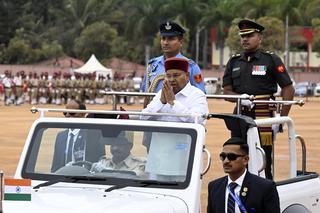
SYMBOL OF INCLUSION AND CIVIC PRIDE
From an administrative perspective, organizing the participation of pourakarmikas required coordination and planning. Officials ensured uniforms, rehearsals, and logistical arrangements were in place so that the contingent could march with discipline and confidence. The careful preparation reflected the importance attached to their presence. Authorities indicated that future civic events may continue to include diverse groups representing essential services. Such planning demonstrates a shift toward more inclusive public ceremonies that reflect the varied workforce sustaining urban life.
Experts in social policy observe that public recognition can influence worker motivation and community relations. When workers feel acknowledged, it can strengthen their sense of belonging within the civic framework. Positive morale may, in turn, contribute to improved service delivery. At the same time, visible inclusion sends a signal that municipal institutions value every segment of their workforce. This dual impact—on employees and the broader public—makes symbolic gestures during national celebrations potentially significant beyond the event itself.
For Mysuru, known for its cultural heritage and civic initiatives, the moment added a distinctive dimension to Republic Day observances. The city has often highlighted cleanliness and organized urban management, and the march by sanitation workers reinforced this identity. By celebrating those who maintain daily order and hygiene, the event linked civic pride with the individuals responsible for it. Observers suggest that such narratives strengthen the bond between residents and the workforce supporting their quality of life.
Participants later shared that the experience left lasting memories. Some described it as a rare day when their work received public appreciation rather than passing notice. Families reportedly expressed pride, and colleagues who watched felt represented. These personal reactions underscore the emotional significance of recognition. Beyond policy discussions, the moment resonated at a human level, acknowledging the effort, resilience, and dedication of individuals who contribute quietly to the city’s functioning every single day.
The Republic Day ceremony thus became more than a formal observance of national values. It evolved into a platform highlighting equality, respect, and the dignity of labour. By placing pourakarmikas in the spotlight, Mysuru’s celebrations illustrated how symbolic acts can reinforce social messages. The march past served as a reminder that civic life depends on collective effort and that honouring every contributor strengthens the spirit of the occasion.

The gesture has also prompted discussions among civic administrators in other districts about adopting similar practices during public functions. Observers note that recognition of essential workers during national celebrations can become a meaningful tradition that highlights inclusivity. By expanding participation beyond conventional contingents, events can better represent the diversity of roles that sustain society. Such ideas are being viewed as part of a broader approach to making public ceremonies more representative of everyday contributors to governance and public welfare.
Educationists present at the celebration remarked that moments like these can shape young minds in subtle but lasting ways. When students witness sanitation workers being honoured alongside officials and uniformed services, it reinforces lessons about equality and shared responsibility. Teachers later used the example in classroom discussions on civic duties and the importance of respecting all forms of work. This educational dimension adds further value to symbolic inclusion, as it nurtures a culture of empathy and social awareness among future generations.
Health professionals have also acknowledged the link between sanitation work and community well-being. Clean streets, proper waste management, and hygienic surroundings reduce the risk of disease and improve overall quality of life. Recognizing pourakarmikas on Republic Day highlighted this connection in a public forum. The march past served as a reminder that preventive public health efforts often begin with the daily labour of sanitation staff. Their role, though rarely visible in formal settings, directly contributes to safer and healthier urban environments.
Cultural commentators suggest that such initiatives reflect evolving urban values where civic pride is connected not only to monuments and festivals but also to everyday maintenance and care. Celebrating sanitation workers symbolically broadens the idea of who represents the city. It acknowledges that heritage and progress rely equally on those who preserve cleanliness and order. This broader understanding of civic identity can help build a more inclusive narrative about urban life, where contribution rather than status defines recognition.
As the celebrations concluded, the image of pourakarmikas marching with confidence remained one of the defining memories of the day. The moment demonstrated how national occasions can be used to express gratitude toward those whose work often goes unnoticed. While challenges in sanitation work remain, the recognition offered a glimpse of changing attitudes. For many in Mysuru, the Republic Day event became a reminder that respect, dignity, and shared responsibility are essential pillars of both civic life and national spirit.
Follow: Karnataka Government
Also read: Home | Channel 6 Network – Latest News, Breaking Updates: Politics, Business, Tech & More
