
Princess Leonor and the Return of a Soldier Monarch Tradition
Princess Leonor is quietly reshaping the image of Spain’s monarchy through a path that has not been followed for more than 150 years. As the Princess of Asturias and heir to the Spanish throne, the 20-year-old has begun intensive military training across the country’s army, navy, and air force academies. This preparation places her on course to become Spain’s future commander-in-chief and the first queen regnant since Queen Isabella II’s reign ended in 1868.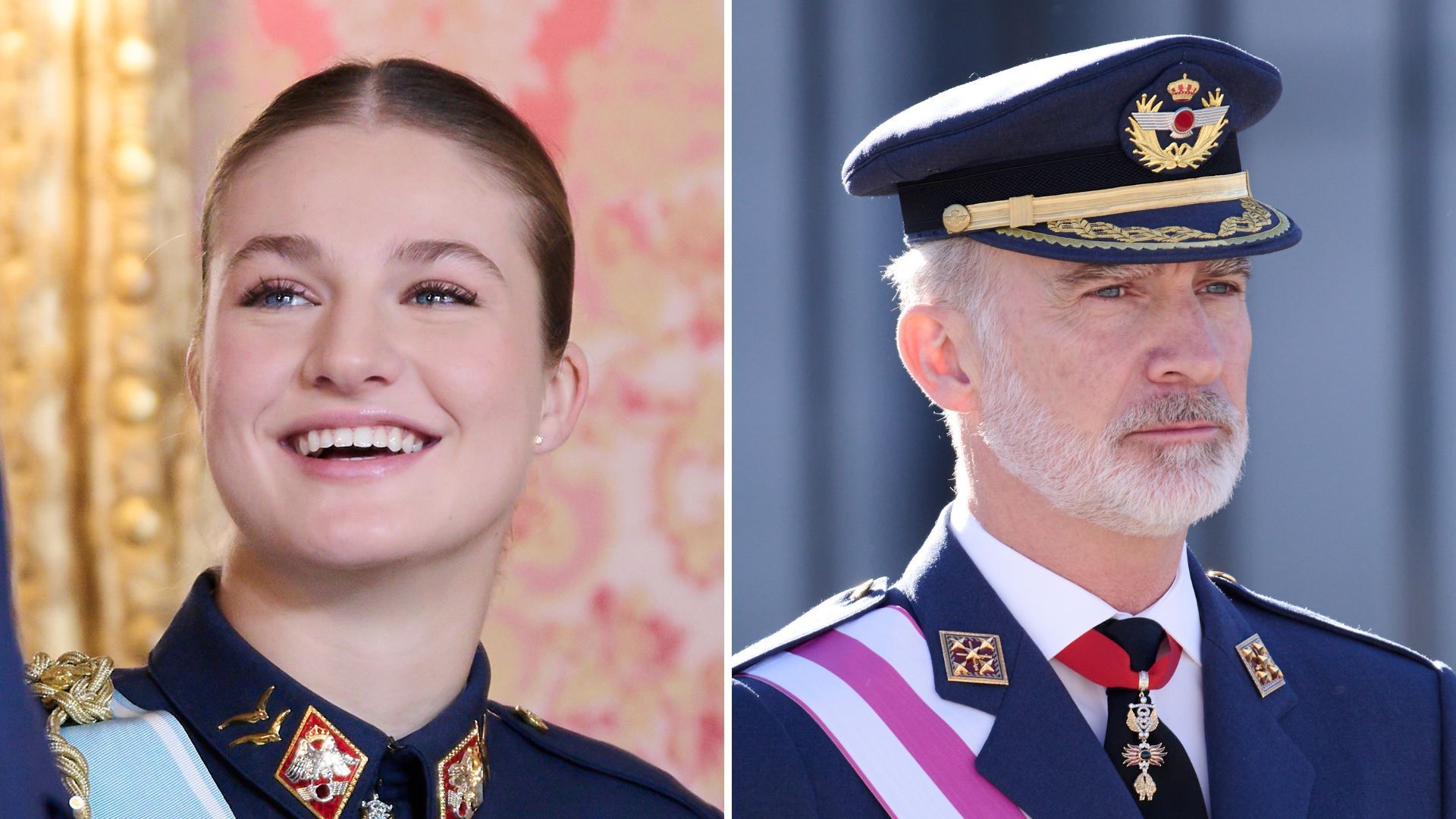
The decision to prioritize military service over immediate university education reflects both tradition and strategy. It aligns the future monarch with constitutional responsibility while presenting a visible commitment to service, discipline, and national unity. For a monarchy that has faced credibility challenges in recent decades, this path carries symbolic weight.
Princess Leonor formally swore allegiance to Spain’s Constitution on her 18th birthday in October 2023, a key moment that confirmed her role as the nation’s future head of state. The ceremony marked a transition from symbolic heir to active institutional figure.
Princess Leonor’s Training Reflects Modern Monarchy Discipline
Princess Leonor began her military journey at the General Military Academy in Zaragoza, where she trained alongside cadets under the same physical and academic conditions. Her program includes combat drills, leadership training, and field exercises designed to prepare officers for command roles. This is followed by naval training with the Spanish Navy and later instruction with the Air Force, completing a three-branch military education.
Spanish officials have emphasized that her training is not ceremonial. She is expected to meet the same standards as other cadets, reinforcing the seriousness of her preparation. This approach echoes constitutional expectations, as the Spanish monarch holds the title of commander-in-chief, though real power remains with democratic institutions.
Before entering military service, Princess Leonor completed her secondary education at UWC Atlantic College in Wales, an international institution known for academic rigor and cultural diversity. Her education there focused on global awareness, diplomacy, and leadership, complementing her current military discipline.
The choice to delay university education has been interpreted as a deliberate signal. It places duty before personal advancement and aligns her public image with service rather than privilege.
Princess Leonor Gains Public Trust and Cultural Attention
Princess Leonor has received growing public approval as she advances through her training. Recent opinion polls in Spain show support for the monarchy exceeding 60 percent, with much of that confidence linked to the current generation of royals. Analysts note that her visibility, restraint, and consistency have contributed to a perception of stability.
Social media has played a role in shaping her image. Short videos and photographs showing her in uniform, participating in drills, and maintaining composure during official events have circulated widely. While palace officials avoid encouraging celebrity culture, the attention reflects public interest in a royal figure who appears focused and grounded.
Observers also point out the contrast between Princess Leonor’s approach and past controversies surrounding the Spanish monarchy. Her disciplined public presence, combined with King Felipe VI’s emphasis on transparency, is seen as part of a broader effort to restore institutional credibility.
Princess Leonor Represents Continuity and Change
Princess Leonor stands at a crossroads between tradition and reform. Her military preparation draws from historical precedent, yet her role as a future queen regnant represents a significant shift in Spain’s royal narrative. Unlike previous heirs, she is being introduced to the public through responsibility rather than ceremony.
View this post on Instagram
Constitutional experts note that her training strengthens the symbolic connection between the monarchy and the armed forces, while remaining firmly within democratic limits. This balance is essential for an institution that survives on public trust rather than political authority. Also Read: Lunch Pe Charcha Initiative: Bold Delhi CM Youth Engagement Program
Her progress will continue to be closely observed, not just as a royal figure but as a symbol of how Spain’s monarchy adapts to modern expectations.
Conclusion
Princess Leonor’s disciplined military path marks a rare moment in Spanish royal history. By prioritizing service, constitutional duty, and restraint, she is shaping a future role grounded in responsibility rather than tradition alone. As Spain’s likely first queen regnant in over a century, her journey reflects a monarchy seeking relevance through action, not spectacle.
