
Bengaluru witnessed a high-profile legal development as a special court issued notices to senior Congress leaders Priyank Kharge, Dinesh Gundu Rao, and MLA Nalapad regarding a defamation complaint filed by a Rashtriya Swayamsevak Sangh (RSS) member. The case, which has attracted attention across political and media circles, highlights the increasingly contentious nature of public discourse in Karnataka, as political statements, social media commentary, and public speeches come under legal scrutiny.
The complaint, lodged by the RSS member, alleges that remarks made by the three leaders amounted to defamatory statements, harming the reputation of the complainant and the organization they represent. Legal experts note that defamation cases involving political figures are complex, often balancing freedom of speech with protection against malicious allegations. The court’s notice signifies the beginning of formal legal proceedings, requiring the leaders to respond within the stipulated timeframe.
According to court officials, the notice requires Priyank Kharge, Dinesh Gundu Rao, and Nalapad to submit written replies addressing the allegations. Failure to comply with the notice could lead to further legal action, including summons, hearings, and potential penalties. The court has emphasized that adherence to procedural rules is essential, and all parties are expected to present evidence, witnesses, and documentation supporting their claims.
Political observers have noted that the case could have wider implications for the state’s political landscape. Both the Congress party and the RSS have significant public followings, and the proceedings are being closely monitored for potential political ramifications. Analysts suggest that legal actions of this nature can influence public perception, electoral narratives, and intra-party dynamics.
BACKGROUND OF THE DEFAMATION CASE
The defamation complaint reportedly stems from remarks made during public speeches, interviews, and social media posts by the three Congress leaders. While the precise nature of the statements has not been disclosed in detail by authorities, the complainant alleges that the remarks questioned the integrity and reputation of the RSS member, thereby constituting defamation under the Indian Penal Code.
Legal experts explained that defamation in India can be either civil or criminal. In criminal defamation cases, the complainant must establish that the statements were made with malicious intent, caused harm to reputation, and were published or communicated to third parties. In this instance, the RSS member has approached the special court seeking redressal under criminal defamation provisions, leading to the issuance of the notice.
The complaint also emphasizes that statements made by public figures carry greater weight due to their visibility and influence. Lawyers representing the complainant argued that the alleged defamatory statements could mislead the public, create a negative perception, and damage the social and professional standing of the complainant. The court will examine the context, intent, and impact of the statements during proceedings.
Meanwhile, party officials for Priyank Kharge, Dinesh Gundu Rao, and Nalapad have maintained that the statements were either factual observations, opinions, or political commentary, and not intended to malign the complainant. They have emphasized the right to free speech, particularly in the context of political debates, while acknowledging the need to respond to the legal notice in accordance with the law.
LEGAL PROCEDURE AND EXPECTATIONS
Upon receiving the notice, the three leaders are required to file their written responses within the timeframe specified by the court. Legal counsel will likely prepare detailed submissions, including clarifications, supporting evidence, and any witnesses willing to attest to the context of the statements. Court officials highlighted that the initial notice is procedural, aimed at ensuring fair hearing and adherence to legal norms.
The court may schedule hearings to examine evidence, assess witness testimonies, and evaluate whether prima facie grounds for defamation exist. If the court finds sufficient grounds, the case may proceed to a full trial, during which arguments from both sides will be heard, and legal remedies may be determined. Punishments in criminal defamation cases can include fines or imprisonment, though outcomes often depend on the gravity of the statements and the intent behind them.
Legal experts noted that political defamation cases often involve multiple stakeholders, including the media, social organizations, and civil society groups. Court proceedings can take months or even years, requiring careful documentation, cross-examination, and verification of evidence. They emphasized that procedural compliance and transparency are critical to ensure fair outcomes.
The special court has also indicated that additional notices may be issued if required, particularly to gather supporting documentation or clarify points raised in submissions. Authorities confirmed that the court will follow standard protocols, ensuring that all parties have an equal opportunity to present their case.
POLITICAL RAMIFICATIONS
The issuance of the notice has triggered reactions from political parties and civil society organizations. Congress party leaders have expressed concern over the use of legal mechanisms to target elected representatives, arguing that political debate should remain robust and free from intimidation. Party spokespersons emphasized that the leaders’ statements were intended for public discussion and did not constitute malice or defamation.
Conversely, the RSS member who filed the complaint argued that public statements made without evidence can cause serious harm to individuals and organizations. They emphasized that legal remedies exist to protect reputation and ensure accountability for statements made in the public domain. Analysts noted that the case illustrates the fine line between political commentary and defamation, highlighting the evolving challenges in managing public discourse.
Political observers also noted that high-profile legal notices against prominent leaders can influence public opinion and electoral narratives. Opposition parties may leverage the case to question credibility or highlight accountability, while supporters may rally behind the leaders, framing the notice as politically motivated. Analysts suggested that the legal proceedings could become a focal point in state-level political discourse, attracting media coverage and public attention.
Social media platforms have also seen discussions around the case, with citizens expressing diverse opinions. Some argue that public figures should exercise caution in statements to avoid defamation, while others defend the right to express opinions and criticize organizations or individuals without fear of legal consequences.
COMMUNITY AND PUBLIC RESPONSE
Local residents and political analysts highlighted that the case underscores the need for responsible public discourse. Many citizens expressed concern over the potential chilling effect on political debate, while others emphasized the importance of legal accountability for statements that can harm reputations. Observers noted that balancing freedom of speech with protection against defamation is a delicate task in a democratic society.
Civil society organizations have urged all parties to allow the legal process to proceed without interference, emphasizing transparency, fairness, and adherence to due process. They highlighted that politically sensitive defamation cases require impartial adjudication to maintain public trust in institutions and ensure justice for all parties involved.
Community members also discussed the implications of legal notices for social media commentary. With increasing use of online platforms for political expression, defamation claims against leaders may set precedents for managing online content, political criticism, and public debates. Experts noted that clear legal guidelines and ethical communication are essential to prevent misuse of social media while safeguarding reputations.
LEGAL EXPERTS’ INSIGHTS
Lawyers consulted on the case emphasized that the court will examine intent, context, and evidence before determining whether defamation has occurred. They noted that statements made in political or public forums often receive scrutiny regarding their factual accuracy, tone, and potential impact on the complainant.
Legal experts explained that defenses against defamation include demonstrating truth, fair comment, and absence of malicious intent. In this case, the leaders may argue that their statements were opinions or criticisms based on facts, rather than personal attacks or malicious allegations. Lawyers also highlighted that precedents in similar cases often influence outcomes, particularly in politically sensitive disputes.
Experts stressed that careful documentation, witness statements, and contextual evidence will be critical for both sides. The special court will assess whether statements caused harm, the extent of circulation, and the intent behind the remarks. Authorities emphasized that political defamation cases require meticulous evaluation to ensure justice without curtailing democratic expression.
GOVERNMENT AND ADMINISTRATIVE RESPONSE
State administrative authorities confirmed that they are monitoring the case and ensuring that legal protocols are followed. Officials emphasized that the matter is sub judice, and any commentary from administrative or political bodies must respect the ongoing judicial process. Authorities reassured citizens that the court will function independently and that decisions will be guided by evidence, law, and procedural fairness.
The government has also highlighted the importance of public awareness regarding defamation laws. Officials noted that understanding the boundaries between free speech, opinion, and actionable defamation is crucial for both public representatives and ordinary citizens. Campaigns to educate political leaders, activists, and social media users are being planned to reduce misunderstandings and potential legal conflicts.
Legal and administrative experts stressed that high-profile cases such as this serve as important reminders of the need for responsible communication. Public figures wield influence, and statements made without verification can have far-reaching consequences for individuals, organizations, and social cohesion.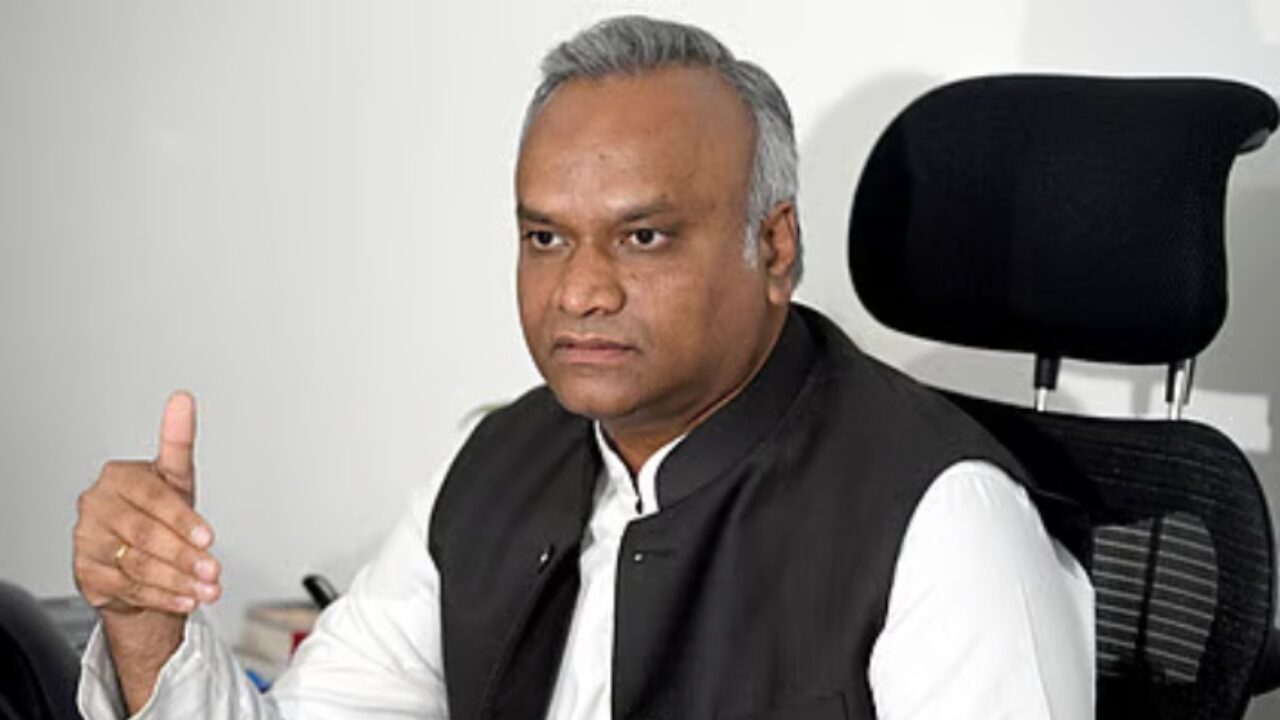
FUTURE OUTLOOK
The issuance of the notice marks the beginning of a potentially lengthy legal process, with hearings, submissions, and judicial scrutiny expected in the coming months. Observers predict that the proceedings will attract attention not only for legal outcomes but also for their political implications in Karnataka’s landscape.
Analysts noted that the case could influence how political leaders communicate in public forums, social media, and media interactions. Responsible communication, fact-checking, and awareness of legal boundaries are likely to gain prominence in political discourse, especially in high-stakes, politically charged environments.
Residents and civil society groups have called for a fair and impartial judicial process, emphasizing the importance of balancing legal accountability with freedom of speech. Experts warned that politicization of legal cases can undermine public trust, while transparent adjudication reinforces confidence in institutions.
In conclusion, the special court’s notice to Priyank Kharge, Dinesh Gundu Rao, and Nalapad highlights the intersection of politics, law, and public discourse in Karnataka. The case underscores the importance of responsible communication, legal accountability, and the judicial system’s role in mediating disputes. As proceedings unfold, citizens, political observers, and media will closely monitor the developments, reflecting on broader implications for governance, democratic debate, and civic responsibility.
Follow: Karnataka Government
Also read: Home | Channel 6 Network – Latest News, Breaking Updates: Politics, Business, Tech & More
