
Rural development moved into sharp focus after Karnataka Minister Priyank Kharge wrote to the Union government seeking the release of pending grants meant for Gram Panchayats across the State. The letter highlights financial strain at the grassroots level, where local bodies depend heavily on central allocations for essential services and development works. According to sources familiar with the communication, the Minister stressed that delays are affecting day-to-day administration in villages, including sanitation, drinking water maintenance, street lighting, and welfare outreach. The issue has now entered the political arena, drawing attention to Centre–State coordination on rural governance funding mechanisms.
Kharge reportedly pointed out that Gram Panchayats form the backbone of local self-governance and are the first point of contact for citizens seeking basic services. He emphasized that without timely fund flow, ongoing projects face stoppage and newly approved works cannot begin. Panchayat leaders have allegedly conveyed concerns about mounting bills and stalled contractor payments. The Minister’s letter is understood to have urged immediate intervention, arguing that financial uncertainty undermines planning at the village level. He framed the request as administrative necessity rather than political demand, highlighting the direct impact on rural households and vulnerable populations.
Officials in the Rural Development and Panchayat Raj Department are said to be closely monitoring the situation. Departmental sources indicate that several centrally sponsored schemes operate through shared funding patterns, making timely transfers crucial. Any lag, they say, disrupts not only infrastructure projects but also employment generation and community asset creation. The communication reportedly includes references to compliance with scheme guidelines, suggesting that Karnataka has fulfilled procedural requirements. The State government’s position underscores that predictable financial flows enable Panchayats to function effectively, ensuring continuity in public service delivery and community welfare initiatives at the village level.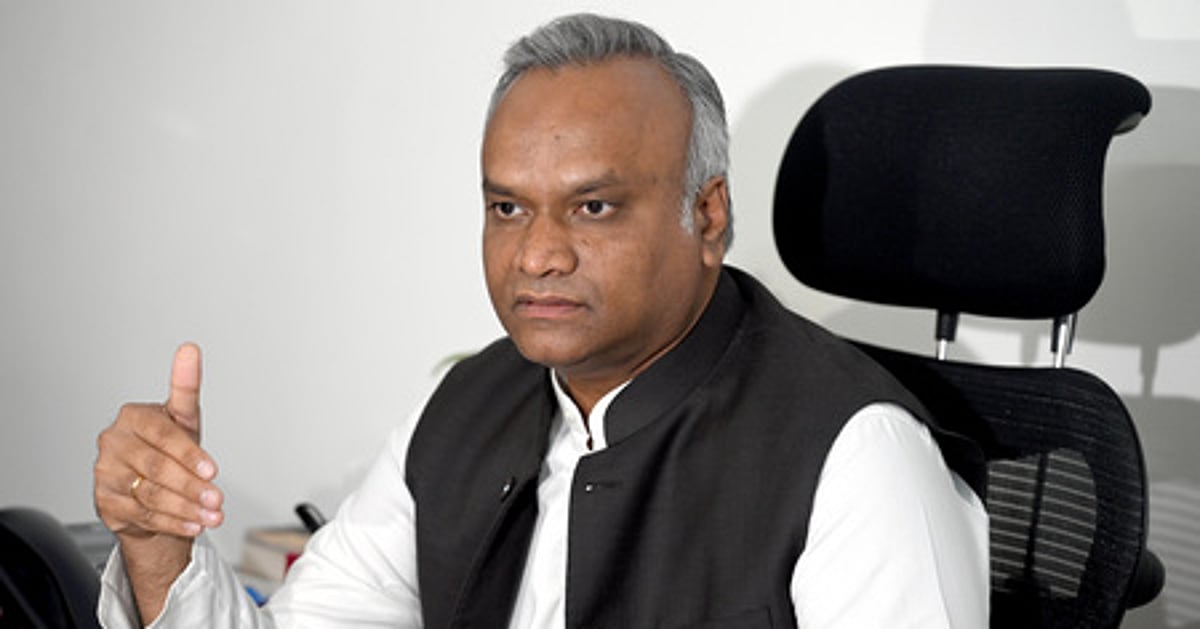
The development has sparked political reactions, with Congress leaders describing the letter as a necessary step to protect rural interests. They argue that grassroots institutions should not suffer due to administrative delays at higher levels. Party representatives maintain that strengthening Panchayats aligns with constitutional principles of decentralization. They also stress that rural communities rely on these funds for maintaining civic amenities and implementing local priorities. According to them, the appeal reflects responsible governance and attention to village-level realities, rather than confrontation. The issue, they suggest, highlights the importance of cooperative federalism in supporting decentralized development across states.
FUND FLOW DELAYS AND GRASSROOTS IMPACT
Experts in rural administration note that Gram Panchayats manage a range of responsibilities, from maintaining local roads and water systems to implementing social welfare schemes. Funding delays can therefore have ripple effects, slowing infrastructure upkeep and affecting livelihoods linked to local projects. Analysts say that financial predictability is essential for planning seasonal works and community programs. When grants are delayed, Panchayats may struggle to meet commitments, leading to public dissatisfaction. The present situation has renewed focus on improving transparency and efficiency in inter-governmental transfers, ensuring that rural bodies can operate without prolonged financial uncertainty or operational disruptions.
Panchayat representatives from various districts have reportedly expressed concern over pending payments for completed works. Contractors engaged in small infrastructure projects depend on timely disbursement, and delays can discourage participation in future tenders. This, in turn, may slow rural development activity. Local leaders emphasize that even modest funding gaps can significantly affect villages with limited revenue sources. They argue that strengthening fiscal autonomy and ensuring regular grants would empower Panchayats to respond quickly to community needs. The current appeal, they say, brings overdue attention to the structural challenges faced by grassroots institutions across Karnataka.
The Union government has not yet issued a formal response, but officials at the central level often review such requests through administrative channels. Inter-governmental financial matters typically involve verification of utilization certificates, performance indicators, and compliance reports. Observers note that delays can arise from procedural backlogs or documentation gaps. Still, the political sensitivity of rural funding makes timely resolution important. The issue underscores the complex mechanics of shared governance, where multiple layers of authority must coordinate. Effective communication and administrative clarity are seen as key to preventing future funding bottlenecks that affect local governance performance.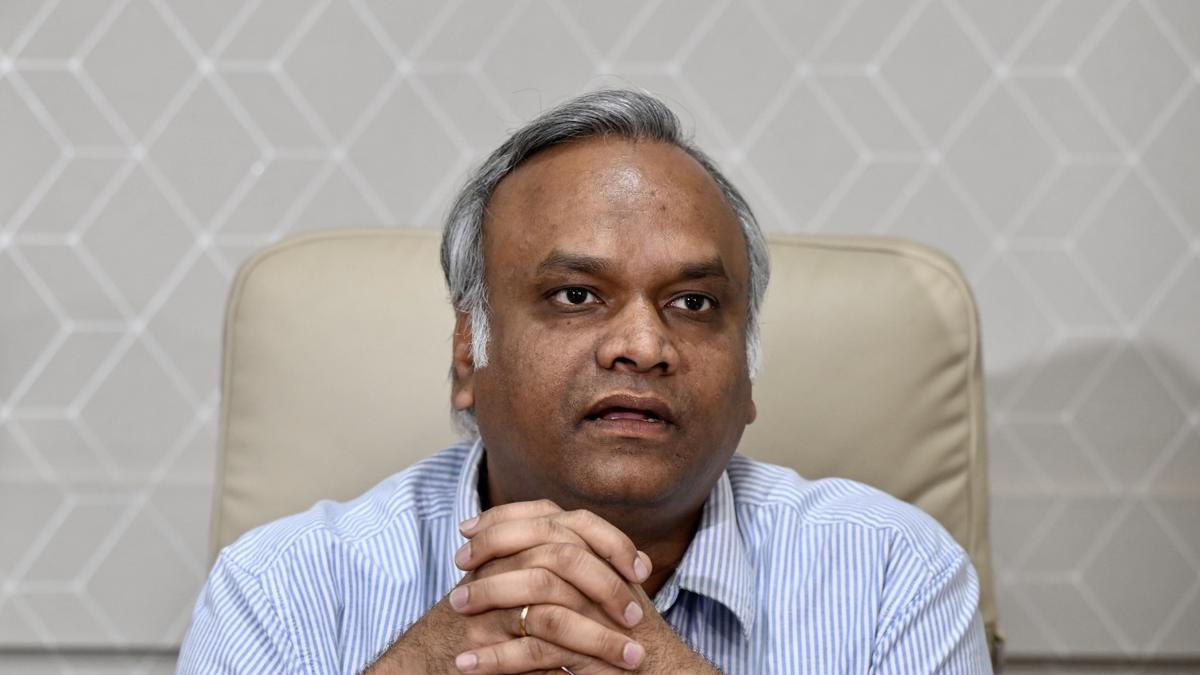
Civil society groups working in rural development have highlighted the broader implications of the funding question. They argue that Panchayats play a central role in implementing social protection schemes, public health initiatives, and community development programs. Interruptions in financial flows may slow progress in areas like sanitation coverage and water resource management. Advocates stress that empowering local bodies aligns with national goals of inclusive growth. The present correspondence from the State leadership, they suggest, offers an opportunity to review systems governing fiscal transfers and strengthen mechanisms that ensure stability and accountability at the grassroots governance level.
COOPERATIVE FEDERALISM UNDER SPOTLIGHT
The episode also feeds into ongoing discussions about Centre–State relations in India’s federal structure. Fiscal coordination is often cited as a test of cooperative federalism. Political observers say that while disagreements are not uncommon, resolution through institutional dialogue remains essential. Letters such as the one sent by Kharge are part of established communication channels between governments. Their effectiveness depends on timely engagement and mutual recognition of administrative challenges. Ensuring that local governance remains insulated from prolonged financial uncertainty is widely regarded as a shared responsibility, transcending partisan considerations in the larger national interest.
As the matter awaits response, attention remains on how quickly pending grants can be processed. For Gram Panchayats, the outcome holds practical significance beyond political debate. Village administrations continue to manage routine responsibilities while hoping for clarity. Observers suggest that prompt resolution could ease tensions and reaffirm commitment to decentralization. Regardless of political context, the situation highlights a core governance principle: effective rural administration depends on consistent financial support. How this issue unfolds may shape future approaches to inter-governmental coordination and the resilience of grassroots democratic institutions in Karnataka and beyond.
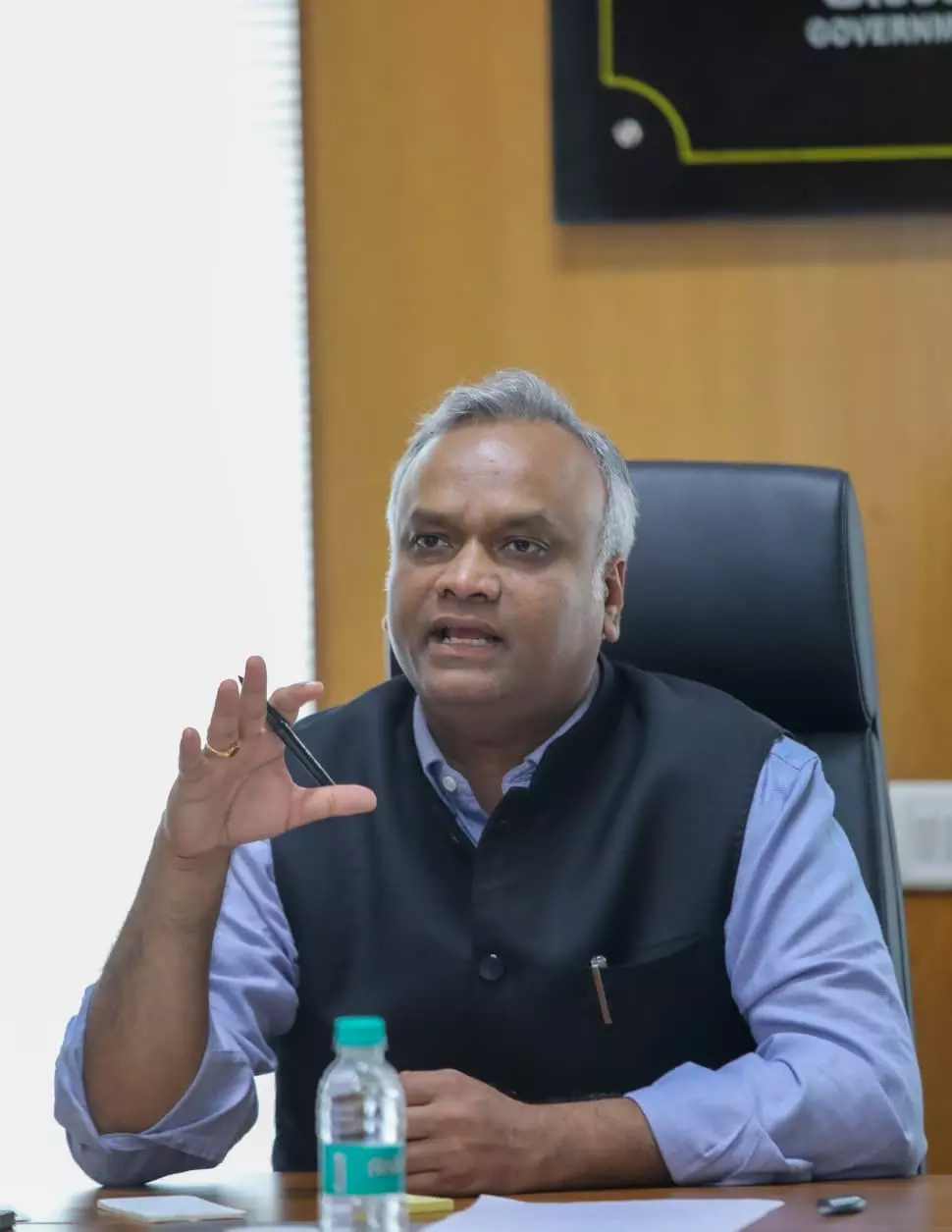
Administrative experts note that predictable fiscal transfers are essential for strengthening long-term rural planning frameworks. Gram Panchayats often prepare annual development plans based on expected allocations, and uncertainty can force revisions or postponements. This affects not only infrastructure but also social sector initiatives such as nutrition drives, school maintenance, and local health awareness campaigns. When village bodies are unsure about fund availability, decision-making becomes cautious and reactive rather than proactive. Strengthening digital tracking of fund releases and utilization could improve transparency and reduce friction between administrative layers, ensuring that governance at the grassroots level remains stable, accountable, and development oriented for rural communities.
The issue has also drawn attention to the financial capacity of Panchayats to raise their own resources. While grants constitute a major portion of their budgets, experts suggest that diversifying revenue sources through local taxation, user charges, and community partnerships could enhance resilience. However, such measures take time and require capacity building, technical support, and public awareness. Until then, higher-level government transfers remain indispensable. The present appeal underscores the need to balance fiscal decentralization with adequate support systems, enabling Panchayats to gradually build financial independence while continuing to meet immediate service delivery obligations without disruption.
Rural citizens, meanwhile, often judge governance effectiveness by visible outcomes such as functioning streetlights, clean water access, and well-maintained local roads. Interruptions in these services can quickly erode trust in institutions. Panchayat members say they are accountable to their communities and must respond to grievances regardless of funding delays. This creates administrative pressure and sometimes personal financial risk for local representatives. Observers believe that resolving grant bottlenecks promptly would reinforce faith in decentralized governance, demonstrating that institutional mechanisms can respond to challenges without compromising the everyday needs of people in villages.
Development planners point out that Gram Panchayats play a vital role in implementing employment-oriented schemes that support rural livelihoods. Delays in financial flows can slow wage payments and reduce the pace of asset creation, affecting both workers and long-term development goals. Timely grants help sustain rural purchasing power, which in turn supports local markets and small businesses. Thus, the funding issue is not merely administrative but also economic in nature. Ensuring continuity in rural development spending contributes to stability, reduces migration pressures, and strengthens the overall rural economy through consistent public investment.
The correspondence has also renewed debate on improving coordination between State departments and central ministries. Administrative clarity regarding documentation, approvals, and compliance standards could reduce misunderstandings that lead to delays. Experts recommend periodic joint reviews and streamlined digital platforms to monitor scheme progress. Such systems would enable faster verification and release of funds. Strengthening communication channels between different government tiers is seen as crucial for preventing future bottlenecks. Institutional reforms in financial management could ultimately enhance trust and efficiency in India’s multi-level governance system, benefiting both administrators and citizens.
Political analysts suggest that rural funding issues often gain prominence because they directly affect large segments of the population. Village-level development remains central to electoral discourse and public perception of governance. While political narratives may differ, most stakeholders agree on the importance of uninterrupted support for local bodies. The present appeal could encourage constructive dialogue on improving fiscal mechanisms. By focusing on administrative solutions rather than partisan debate, governments can demonstrate commitment to strengthening democratic decentralization and ensuring that rural development remains a shared national priority.
As discussions continue, Panchayats across Karnataka carry on with routine responsibilities, hoping for a timely outcome. Their experience highlights the everyday realities of grassroots governance, where financial flows, administrative processes, and community expectations intersect. Observers believe that addressing such issues effectively can serve as a model for cooperative problem-solving in federal systems. A positive resolution would not only ease immediate operational pressures but also signal the importance of sustained investment in local self-government. Ultimately, empowered Panchayats are key to inclusive growth, responsive administration, and stronger democratic participation at the village level.
Follow: Karnataka Government
Also read: Home | Channel 6 Network – Latest News, Breaking Updates: Politics, Business, Tech & More
