
After more than a month of tense vigilance and community alertness, authorities in Hubballi successfully captured a leopard that had been on the loose, triggering fear and concern among local residents. The big cat had been spotted in several residential areas, prompting repeated warnings and safety advisories from wildlife officials. Teams from the Forest Department, local police, and animal rescue organizations worked tirelessly to track and safely contain the animal, ensuring minimal risk to humans while prioritizing the leopard’s welfare. Residents expressed relief as the months-long uncertainty and danger finally came to an end.
The leopard had been first sighted in the outskirts of Hubballi over a month ago, raising concerns about potential attacks on humans and livestock. Forest officials launched continuous monitoring, setting up cameras, traps, and patrolling squads to locate the animal. Wildlife experts noted that such operations require careful planning, as the safety of both humans and the animal must be ensured. During the vigil, teams coordinated with residents, advising them to avoid open spaces at night and secure pets and cattle. Authorities praised the cooperation of the local community in reporting sightings and following safety guidelines.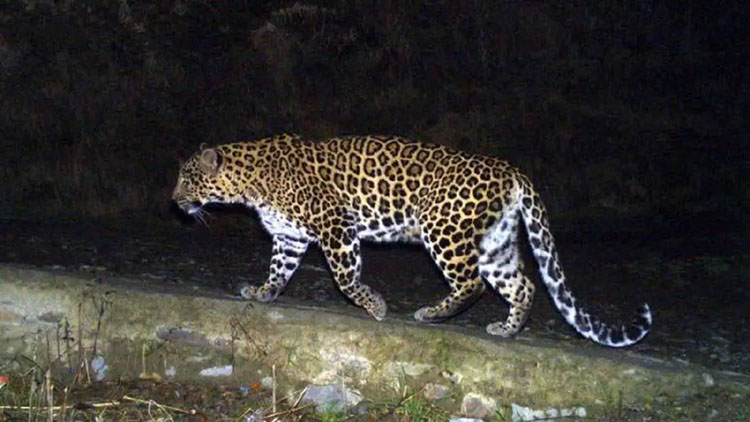
Officials revealed that the capture operation took several days of meticulous planning. After confirming the leopard’s frequent movement patterns, the team set up a secure trap with bait, ensuring that the animal could be safely immobilized without injury. Veterinary experts were on standby to administer tranquilizers and conduct a health check immediately after capture. The leopard was then transported to a secure wildlife rehabilitation centre for further observation before plans for relocation to a forested area could be finalized. Officials emphasized that the animal posed no immediate threat after capture and would eventually be released into its natural habitat.
Residents expressed a mix of relief and admiration for the authorities’ efforts. Many recalled the anxiety and fear during the month-long period when the leopard roamed near homes, markets, and schools. Parents had been especially cautious, keeping children indoors and restricting evening activities. Livestock owners reported heightened vigilance to protect their animals, and several small-scale farmers expressed gratitude toward forest officials for preventing any harm. The successful operation has restored a sense of safety and confidence in wildlife management protocols in urban areas where human-animal conflict is possible.
WILDLIFE SAFETY AND COMMUNITY ALERTNESS
The incident in Hubballi underscores the growing need for urban wildlife management strategies. Experts highlighted that expanding city boundaries and habitat encroachment often bring wild animals into closer contact with humans. Authorities stated that early detection systems, timely reporting, and coordinated action are critical to preventing tragedies while preserving wildlife. The collaboration between forest officials and local communities in Hubballi is being cited as a model for handling such urban wildlife situations. Public awareness campaigns on how to respond to wildlife sightings were key to minimizing panic and avoiding confrontations.
Officials also stressed the importance of coexistence strategies in areas where human settlements overlap with forested zones. Measures include secure livestock enclosures, awareness drives, and rapid response units trained in wildlife rescue. Forest Department officers noted that most leopard encounters in urban areas are opportunistic, often driven by habitat loss or scarcity of prey. They emphasized that proactive measures, combined with community vigilance, can significantly reduce risks to both humans and animals. The Hubballi operation demonstrated how coordinated efforts and patient monitoring can achieve safe outcomes.
The captured leopard will undergo a comprehensive health assessment before being relocated to a protected forest area outside the city. Veterinarians will monitor for injuries, stress, and any signs of disease. Relocation is preferred to ensure the animal’s survival and minimize the likelihood of returning to urban areas. Wildlife conservationists underscored that successful relocation depends on selecting appropriate habitats with sufficient prey and minimal human interference, ensuring that the leopard can reintegrate naturally.
Finally, the month-long ordeal has strengthened community trust in forest and law enforcement authorities. Residents expressed gratitude for the patience, professionalism, and diligence of the teams involved. Many highlighted that timely advisories and constant updates helped maintain calm during the crisis. The successful capture and planned relocation not only protect human life but also demonstrate how careful, coordinated action can safeguard wildlife. Hubballi’s experience is now being used as a blueprint for balancing urban development with wildlife conservation.
Authorities praised the dedication of field teams, who endured long hours in challenging conditions, often navigating dense scrub and urban obstacles to track the leopard. The month-long vigil involved round-the-clock monitoring, frequent risk assessments, and rapid mobilization whenever the animal was sighted. Officials noted that such operations require not only expertise in wildlife management but also patience and persistence, as hasty actions could endanger both the animal and people. The successful capture is being recognized as a testament to professional skill and community support.
The Hubballi leopard episode has reignited discussions on human-animal coexistence in growing cities. Experts argue for structured urban planning that considers wildlife corridors and buffer zones to reduce conflict. Residents are being advised to maintain vigilance and report future sightings promptly, reinforcing community participation in wildlife safety. Authorities have also committed to strengthening rapid response mechanisms and continuing awareness initiatives to prevent panic during similar incidents in the future.
LEOPARD CHASE
Following the capture, citizens expressed relief that no human or livestock casualties occurred during the month-long period. Many families who had restricted outdoor activities during evenings could resume normal routines. Local schools and community organizations also commended authorities for their effective communication and timely safety advisories. The success of the operation in Hubballi is being shared widely as a case study for managing urban wildlife encounters, emphasizing the importance of patience, coordination, and adherence to safety protocols.
Officials concluded that the Hubballi leopard case highlights both the challenges and solutions for managing wildlife in urban fringes. The event illustrates the balance required between human safety and animal welfare. Authorities hope that the capture and planned relocation will serve as an example of best practices, ensuring that similar situations in other districts can be handled safely. The community, in turn, has demonstrated the positive role of public cooperation in achieving successful outcomes during wildlife emergencies.
The incident has left a lasting impact on Hubballi, raising awareness about wildlife presence and the responsibilities of urban populations living near forested zones. Authorities urged continued vigilance and adherence to guidelines, emphasizing that coexistence with wildlife is possible if managed responsibly. The capture of the leopard marks the end of a tense chapter and sets the stage for improved wildlife management protocols, benefiting both humans and animals in the region.
Forest officials have announced plans to strengthen monitoring systems in urban and peri-urban areas following the Hubballi leopard capture. Motion-sensor cameras, GPS tracking, and increased patrolling in known leopard corridors are being considered to detect early movement and prevent future encounters. Officials emphasized that proactive measures can reduce both human risk and stress for the animal. By combining technology with local intelligence, forest departments aim to respond more rapidly to sightings, ensuring that residents remain safe while wild animals are guided back to their natural habitats.
Local residents are being encouraged to participate in community vigilance programs. Forest authorities highlighted that reporting unusual wildlife activity immediately can save both human lives and prevent harm to animals. Educational campaigns in schools and community centres are planned to teach families how to behave safely when encountering wild animals. Officials stressed that cooperation between citizens and authorities is essential for successful wildlife management, especially in densely populated areas where human-animal interactions are more likely.
The captured leopard will also be used as part of public awareness campaigns about wildlife conservation. Officials plan to educate residents about the importance of preserving natural habitats, respecting animal space, and avoiding behaviors that attract predators to urban areas. By highlighting both the challenges and the successful resolution of the Hubballi case, authorities hope to cultivate a culture of coexistence. Conservationists stressed that such incidents, while alarming, provide opportunities to reinforce human responsibility toward wildlife.
Veterinarians involved in the capture have underlined the importance of stress management and post-capture care. The leopard underwent a thorough health check, including vaccination, treatment for minor injuries, and observation for behavioral stress indicators. Experts noted that minimizing handling and maintaining a calm environment were critical to prevent trauma. Following relocation, ongoing monitoring will continue to ensure the animal adapts safely to its new forested habitat. Officials emphasized that the well-being of the leopard was as important as ensuring public safety.
The Hubballi case has prompted policy-level discussions on managing wildlife in urban settings. Authorities are exploring protocols for rapid containment, safer relocation techniques, and inter-department coordination. Legal frameworks regarding human-animal conflict are being reviewed to ensure accountability and proper response measures. Policymakers indicated that lessons from Hubballi would be incorporated into statewide guidelines, helping other cities develop systems for effective, safe management of urban wildlife encounters.
Finally, the month-long ordeal has strengthened community trust in forest and law enforcement authorities. Residents expressed gratitude for the patience, professionalism, and diligence of the teams involved. Many highlighted that timely advisories and constant updates helped maintain calm during the crisis. The successful capture and planned relocation not only protect human life but also demonstrate how careful, coordinated action can safeguard wildlife. Hubballi’s experience is now being used as a blueprint for balancing urban development with wildlife conservation.
Follow: Karnataka Government
Also read: Home | Channel 6 Network – Latest News, Breaking Updates: Politics, Business, Tech & More
