
Proceedings of the Karnataka Legislative Council descended into chaos after a controversial remark about Prime Minister Narendra Modi triggered sharp exchanges between members of the ruling and opposition parties. The disruption unfolded during a discussion on a separate agenda item, when a comment perceived as derogatory by members of the BJP led to immediate protests. Opposition legislators rose to their feet, demanding that the statement be withdrawn and expunged from the records, while treasury benches attempted to defend the context in which it was made. The Chair struggled to restore order as slogans and counter-slogans filled the House.
According to members present, the remark came during a heated debate that had already seen rising tensions over policy issues. BJP legislators said the reference to the Prime Minister was “unparliamentary” and an affront to the dignity of the office. They insisted that such comments have no place in legislative discourse and undermine decorum. Several members trooped into the well of the House, raising placards and seeking an apology. The uproar forced the Chair to adjourn proceedings temporarily as efforts were made to calm tempers.
Leaders from the ruling side maintained that the statement had been taken out of context and was not intended as a personal attack. They argued that political criticism is part of democratic debate and that remarks should be viewed within the broader discussion. However, opposition members rejected this explanation, asserting that criticism of policies must not cross into personal territory. The dispute quickly overshadowed the day’s scheduled legislative business, with repeated adjournments disrupting the agenda.
Parliamentary affairs observers note that references to national leaders often carry heightened sensitivity in State legislatures. Rules of procedure typically discourage personal allegations or derogatory expressions, requiring members to adhere to standards of civility. When disputes arise, the Chair has the authority to direct that certain words be expunged from records. In this case, calls were made for a formal review of the remark under House rules. The incident highlighted the fine line between robust political debate and maintaining institutional dignity.
Senior BJP leaders outside the House condemned the remark and described the disruption as a necessary protest to defend the Prime Minister’s reputation. They said the issue reflected a broader pattern of disrespect and called for stricter enforcement of legislative conduct norms. Meanwhile, leaders from the ruling side appealed for calm, urging all parties to focus on legislative responsibilities. They expressed regret over the breakdown of proceedings but emphasized the need to resume discussions on pending bills and public issues.
DEBATE OVER PARLIAMENTARY DECORUM
The episode reignited discussion about decorum in legislative bodies. Experts in parliamentary practice emphasize that strong political disagreement is inherent to democratic institutions, but language used must remain within accepted norms. The purpose of rules governing speech is to ensure that debate remains issue-focused and respectful. Repeated disruptions, they warn, can erode public confidence in legislative functioning. Calls for training and orientation sessions for members on procedural conduct have surfaced periodically in response to such incidents.
The Chair’s role during such situations is crucial. Maintaining neutrality while enforcing rules requires balancing competing demands. Temporary adjournments are often used as cooling-off measures, but frequent interruptions can delay governance. In the Karnataka Council incident, observers said that swift intervention to review the remark and clarify procedure might help de-escalate tensions. Transparent handling of such disputes can prevent recurrence and reinforce institutional credibility.
POLITICAL RAMIFICATIONS
Politically, the controversy is likely to resonate beyond the Council chamber. Statements involving national figures often become rallying points for party supporters. Analysts suggest that both sides may use the incident to reinforce narratives about respect, accountability, or freedom of expression. While such exchanges can energize political bases, they also risk diverting attention from substantive policy matters.
Ultimately, the episode underscores the importance of balancing passionate debate with adherence to parliamentary norms. Legislative forums are designed to deliberate on public issues, and maintaining decorum ensures that discussions remain productive. As proceedings resume, members may face calls to reflect on the incident and reaffirm commitment to respectful discourse, ensuring that institutional processes are not overshadowed by confrontational exchanges.
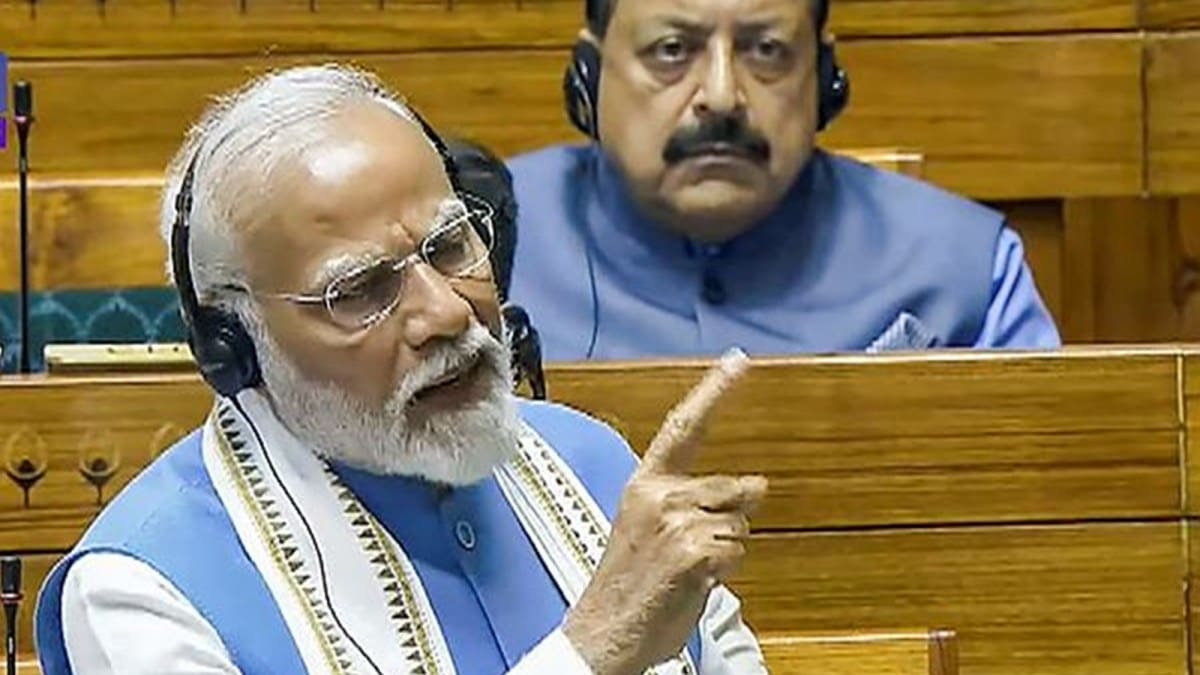
The disruption also drew attention to how quickly legislative disagreements can escalate when national political figures are invoked. Members across party lines acknowledged privately that the House had already been on edge due to ongoing debates on governance, resource allocation, and regional development concerns. In such an atmosphere, even a single phrase can act as a flashpoint. Political tempers, already strained, spilled over into visible confrontation. The incident served as a reminder that legislative spaces often mirror the intensity of larger political climates, where symbolism and personality can carry as much weight as policy substance.
Several Council members later pointed out that the business listed for the day included questions related to public welfare schemes and administrative accountability. With repeated adjournments, these issues were pushed aside, frustrating legislators who had prepared to raise constituency matters. Some members expressed concern that citizens ultimately bear the cost when Houses fail to function smoothly. They stressed that while protests are a democratic right within legislatures, prolonged disorder weakens the purpose of deliberative forums. The tension between protest as expression and productivity as responsibility became sharply visible during the day’s proceedings.
Outside the legislature, the issue quickly moved into the political arena, with party units issuing statements defending their respective positions. BJP leaders characterized the remark as reflective of what they called a culture of disrespect toward national leadership. They demanded not only an apology but also a clearer framework to prevent similar instances. Ruling party representatives countered that opposition reactions were exaggerated for political mileage. They argued that the substance of debates should not be derailed by selective outrage, adding that political speech often involves sharp criticism within democratic boundaries.
Constitutional experts observing the developments noted that legislative privilege allows members freedom of speech within the House, but that freedom is not absolute. It is guided by conventions, precedents, and the authority of the presiding officer. Words deemed defamatory, indecent, or undignified can be ordered to be removed from official records. The effectiveness of this mechanism, however, depends on members’ willingness to respect rulings. When emotions override procedure, enforcement becomes difficult. The Karnataka Council episode illustrated how rules exist, yet their spirit must be upheld collectively.
The Chair’s repeated appeals for order highlighted the procedural challenges during high-voltage moments. Presiding officers often rely on moral authority as much as formal powers. In this instance, the Chair urged members to return to their seats and allow the House to function, reminding them of the importance of setting an example for the public. Despite these calls, slogan-shouting continued for extended periods. Observers said such scenes place the Chair in a delicate position, where assertive action can be seen as partisan while restraint can be viewed as ineffective.
Public reaction to the incident was mixed, reflecting broader political divides. Supporters of the Prime Minister viewed the remark as unacceptable and welcomed the strong protest. Others felt the disruption itself was excessive, arguing that legislative time should not be consumed by rhetorical disputes. Civil society voices emphasized the need for higher standards of debate, especially at a time when citizens face pressing issues such as employment, inflation, and infrastructure needs. The clash in the Council thus became part of a wider conversation about political priorities and public expectations.
Historically, Karnataka’s legislature has witnessed heated confrontations, but it has also been regarded as a forum for substantive debate. Veteran lawmakers recalled earlier eras when sharp ideological differences coexisted with personal cordiality. They suggested that the erosion of that culture contributes to frequent stand-offs. Political analysts say the personalization of politics, amplified by media attention, encourages dramatic gestures over quiet negotiation. The Council incident fits into this pattern, where moments of confrontation gain more visibility than hours of routine legislative work.
There were also calls for introspection within parties about the tone adopted by their members. Senior leaders often emphasize discipline and adherence to parliamentary language, but enforcement varies. Some suggested that internal training sessions on legislative conduct could help newer members navigate complex debates without crossing lines. Others argued that the problem is less about awareness and more about political strategy, where confrontation is sometimes calculated. Regardless of the cause, the need for self-regulation emerged as a recurring theme in discussions following the chaos.
As the House reconvened after adjournments, attempts were made to move forward with pending business, though the atmosphere remained tense. The incident lingered in exchanges, with members referring indirectly to the earlier uproar. Such aftereffects can shape proceedings long after the original trigger. Legislative functioning often depends on informal understandings and cooperation behind the scenes. When trust between parties erodes, even routine matters can become contentious. The day’s events underscored how fragile that balance can be in polarized times.
In the broader democratic context, the episode serves as a case study of how institutions handle conflict. Legislatures are designed to channel disagreement into structured debate rather than disorder. When that balance falters, the credibility of the institution can be questioned. At the same time, the ability to resume work after disruption reflects institutional resilience. The Karnataka Legislative Council’s challenge now lies in restoring focus on governance while ensuring that freedom of expression and respect for office coexist within the framework of parliamentary norms.
Follow: Karnataka Government
Also read: Home | Channel 6 Network – Latest News, Breaking Updates: Politics, Business, Tech & More
