
A tigress that had strayed into the buffer zone of Bandipur Tiger Reserve was successfully trapped and captured by forest department officials after an intensive operation, bringing relief to local residents and highlighting the ongoing challenges of human-wildlife interaction in the region. The operation, carried out after days of monitoring and planning, followed reports of the big cat’s movement close to human habitations, triggering concern among villagers and authorities alike. Forest officials described the capture as a necessary intervention to ensure the safety of both people and the animal.
The tigress was first spotted in the buffer zone areas adjoining forest boundaries, where agricultural fields and settlements overlap with wildlife corridors. Officials noted that the animal’s presence had led to heightened fear among residents, particularly farmers and daily wage workers who venture out early in the morning or late in the evening. While no human casualties were reported, authorities stated that preventive measures were essential given the potential risk posed by the situation.
Forest officials have also announced that a detailed post-operation review will be conducted to evaluate the effectiveness of the response and identify areas for improvement. The review will examine coordination among field staff, response time, equipment readiness, and communication with local communities. Authorities stated avoiding similar situations in the future requires constant refinement of protocols and capacity-building at the ground level.
Environmental groups have reiterated that incidents involving large carnivores should be addressed through science-based conservation strategies rather than ad hoc measures. They emphasised that long-term solutions must include safeguarding wildlife corridors beyond protected areas and regulating land-use changes around forest boundaries. Experts noted that unplanned development in buffer zones often exacerbates conflict by disrupting traditional movement paths of animals.
Officials also indicated that data collected during the operation, including camera trap images and movement patterns, will be added to the reserve’s wildlife database. This information will be used to better understand dispersal behaviour and inform future management decisions. Authorities stressed that such documentation plays a crucial role in strengthening conservation planning and response preparedness.
As normalcy gradually returns to villages around the Bandipur buffer zone, authorities have urged residents to remain cautious and continue following safety advisories. Forest officials reiterated that coexistence with wildlife is a shared responsibility and that timely reporting, awareness, and cooperation are essential. The incident, they noted, serves as an important reminder of the need for sustained vigilance and collaborative conservation efforts in ecologically sensitive regions.
According to senior forest officials, camera traps and pugmark analysis confirmed the tigress’s repeated movement in the buffer zone. Based on these inputs, a decision was taken to trap the animal using a specially designed cage. The operation involved veterinarians, trained forest staff, and support teams, who worked in coordination to minimise stress to the tigress and avoid any harm during the capture process.
Villagers were advised to remain indoors during night hours, and forest staff conducted regular patrols to track the tigress’s movement. Temporary restrictions were placed on grazing and collection of forest produce in the affected areas. Officials emphasised that these measures were precautionary and aimed at preventing accidental encounters while preparations for the capture were underway.
The trapping operation was conducted following established wildlife protocols. Bait was placed strategically, and the cage was monitored continuously using surveillance equipment. Forest officials confirmed that the tigress entered the trap late at night, after which the cage was secured and the animal was sedated by a veterinary team to facilitate safe handling and transport.
Once sedated, the tigress underwent a preliminary health examination to assess her physical condition. Veterinarians reported that the animal appeared healthy, with no visible injuries, though further observation would be conducted to rule out any underlying issues. Officials noted that health assessment is a critical step in determining the next course of action, including release or relocation.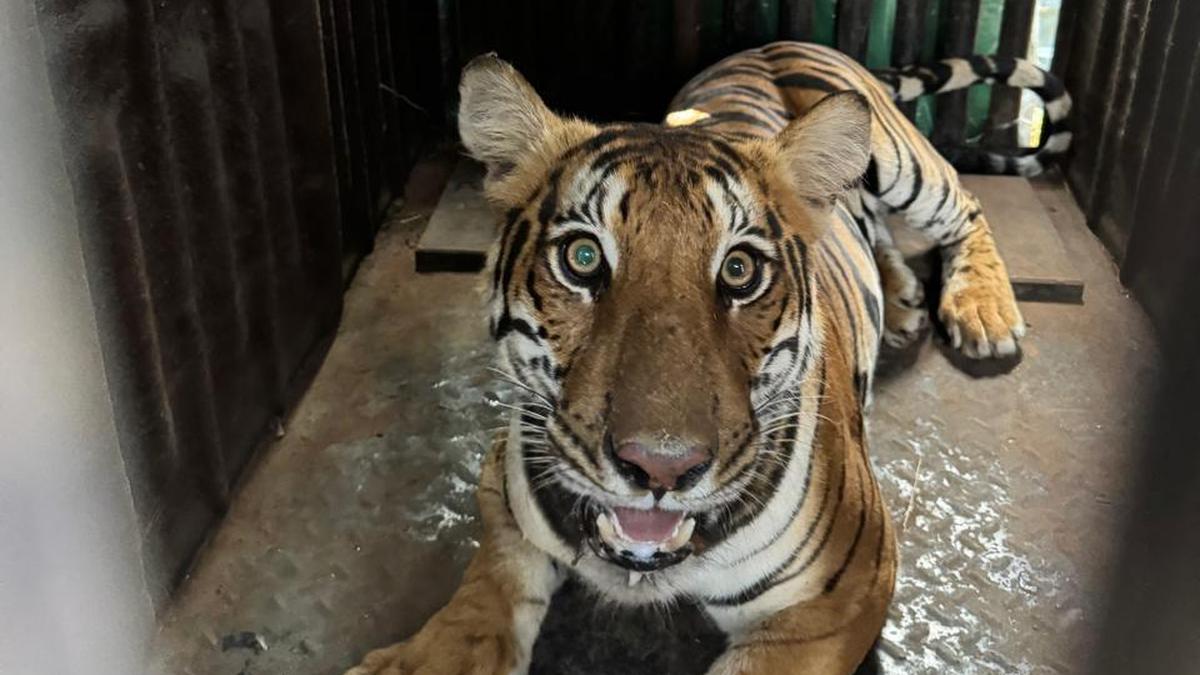
Human-Wildlife Conflict and Conservation Challenges
Bandipur Tiger Reserve is one of India’s most significant wildlife habitats and forms part of the Nilgiri Biosphere Reserve. The buffer zone, which serves as a transitional area between core forest regions and human settlements, often becomes a flashpoint for human-wildlife conflict. Officials stated that increased wildlife movement into buffer zones can be attributed to factors such as habitat pressure, prey movement, and seasonal changes.
Forest department officials emphasised that the capture of the tigress should be viewed within the broader context of conservation management rather than as a punitive measure. They reiterated that buffer zones are designed to absorb such interactions and provide a controlled space for intervention when wildlife strays too close to human activity. The objective, they said, is to reduce conflict while maintaining ecological balance.
Local residents expressed mixed reactions to the capture. While many welcomed the move as a relief from fear and uncertainty, some voiced concerns about recurring wildlife intrusions. Farmers pointed out that crop damage and livestock loss remain persistent issues in villages bordering the reserve. They urged authorities to strengthen preventive infrastructure such as solar fencing and early warning systems.
Conservation experts noted that tiger populations in protected areas like Bandipur have shown steady growth due to sustained conservation efforts. While this is a positive indicator, it also increases the likelihood of tigers dispersing into peripheral areas in search of territory. Experts stressed the need for landscape-level planning to ensure connectivity between habitats and reduce pressure on buffer zones.
Officials highlighted that awareness programs have been conducted in villages surrounding Bandipur to educate residents on safety measures and appropriate responses during wildlife encounters. Such initiatives, they said, play a crucial role in minimising panic and preventing retaliatory actions against animals.
The Capture Operation and Official Response
Forest department officials described the capture operation as a carefully coordinated effort involving multiple teams. Personnel were deployed in shifts to monitor the trap round-the-clock, and contingency plans were put in place to respond to unexpected developments. Officials emphasised that the safety of the tigress was prioritised throughout the operation.
After the capture, the tigress was transported to a secure holding facility within the reserve for observation. Officials stated that she would remain under veterinary supervision for a few days to monitor her recovery from sedation and assess behavioural patterns. Based on these observations, a decision would be taken regarding her release into a suitable habitat.
Authorities clarified that relocation is considered only after thorough evaluation, as translocation can sometimes lead to territorial conflicts with resident tigers. Releasing the animal back into a secure forest area with adequate prey base and minimal human disturbance is often preferred. Officials stressed that each case is assessed individually to ensure the best outcome for both wildlife and local communities.
Senior forest officials also addressed concerns raised by villagers, assuring them that additional patrols would continue even after the capture. They stated that the department remains vigilant and prepared to respond swiftly to any further wildlife movement in the buffer zone. Officials reiterated that coexistence remains a guiding principle of conservation policy.
The operation drew attention from wildlife enthusiasts and conservation groups, many of whom commended the forest department’s approach. They noted that timely intervention, adherence to protocol, and transparency in communication helped prevent escalation and maintained public trust.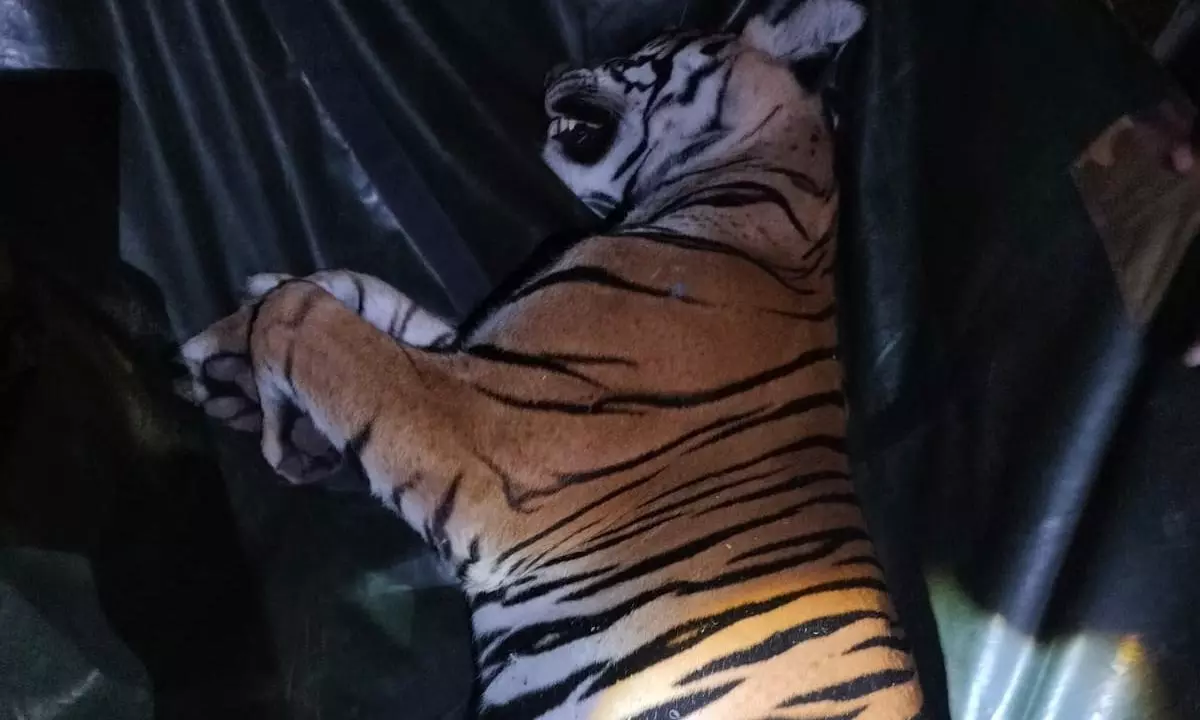
Community Impact and Local Concerns
For residents living near the Bandipur buffer zone, the tigress’s presence had been a source of anxiety. Many households altered daily routines, avoiding outdoor activities after dusk and accompanying children to school. The successful capture was seen as a temporary return to normalcy, though concerns about future incidents persist.
Village leaders acknowledged the forest department’s efforts but reiterated demands for long-term solutions. They called for enhanced compensation mechanisms for crop and livestock losses and faster response systems to address wildlife-related emergencies. Officials noted that such feedback is being taken into account in ongoing policy reviews.
Women and elderly residents, in particular, expressed relief following the capture, citing fear of unexpected encounters. Community members also highlighted the importance of regular communication from authorities, stating that timely updates help prevent rumours and panic.
Forest officials emphasised that community cooperation is vital in managing buffer zone challenges. They urged residents to report wildlife sightings promptly and avoid provocative actions such as chasing or attempting to photograph animals at close range. Officials stated that responsible behaviour significantly reduces risk.
Future Outlook and Conservation Strategy
The capture of the tigress has once again underscored the complexities of wildlife management in regions where human settlements intersect with protected forests. Officials acknowledged that as conservation successes lead to growing wildlife populations, proactive strategies must evolve to address emerging challenges.
The forest department has indicated plans to strengthen monitoring in buffer zones using technology such as GPS tracking, camera traps, and drone surveillance. These tools, officials said, can provide early warnings and enable timely interventions before situations escalate.
Long-term measures being considered include habitat enrichment within core forest areas to reduce outward movement of wildlife, improved corridor connectivity, and increased investment in community-based conservation initiatives. Officials emphasised that involving local communities as stakeholders is essential for sustainable coexistence.
Conservationists also stressed the importance of continued research and data-driven decision-making. Understanding movement patterns, prey availability, and behavioural factors can help design more effective management strategies. They noted that incidents like this provide valuable insights into wildlife dynamics.
In conclusion, the trapping and capture of the tigress in the Bandipur buffer zone reflects both the challenges and responsibilities inherent in wildlife conservation. While the immediate risk has been mitigated, the incident serves as a reminder of the delicate balance between protecting endangered species and ensuring human safety. Authorities expressed hope that continued cooperation, informed policy, and adaptive management will strengthen coexistence and preserve the ecological integrity of one of Karnataka’s most vital wildlife landscapes.
Follow: Karnataka Government
Also read: Home | Channel 6 Network – Latest News, Breaking Updates: Politics, Business, Tech & More
