
The nomination of Sangappa as an Executive Council Member of Visvesvaraya Technological University (VTU) has been widely welcomed across academic and public circles, with many describing it as a significant moment for higher technical education in Karnataka. The Executive Council is the highest decision-making body of the university, entrusted with shaping policy, governance, and long-term academic direction. Sangappa’s induction into this influential body is being seen as recognition of his experience, credibility, and sustained engagement with education and public service.
Visvesvaraya Technological University, headquartered in Belagavi, oversees hundreds of engineering and technical institutions across the State. Decisions taken by its Executive Council have far-reaching implications, affecting curriculum frameworks, faculty appointments, infrastructure development, research priorities, and student welfare. Against this backdrop, Sangappa’s nomination carries considerable importance, particularly at a time when technical education is undergoing rapid transformation driven by industry needs, technology shifts, and global competition.
Those familiar with Sangappa’s work say his association with education and administration has been marked by a practical approach and sensitivity to institutional challenges. His nomination is expected to bring a grounded perspective to policy discussions, especially in areas such as academic quality, regional balance in development, and access to technical education for students from rural and underrepresented backgrounds. Educationists believe that such representation is essential for ensuring that policy decisions remain inclusive and responsive.
The announcement of the nomination has generated positive responses from teaching communities, academic administrators, and student representatives. Many have expressed hope that Sangappa will act as a bridge between policymakers and institutions on the ground, voicing concerns that often go unheard at higher levels. His role is expected to involve active participation in deliberations on governance reforms, regulatory compliance, and strategic planning for the university.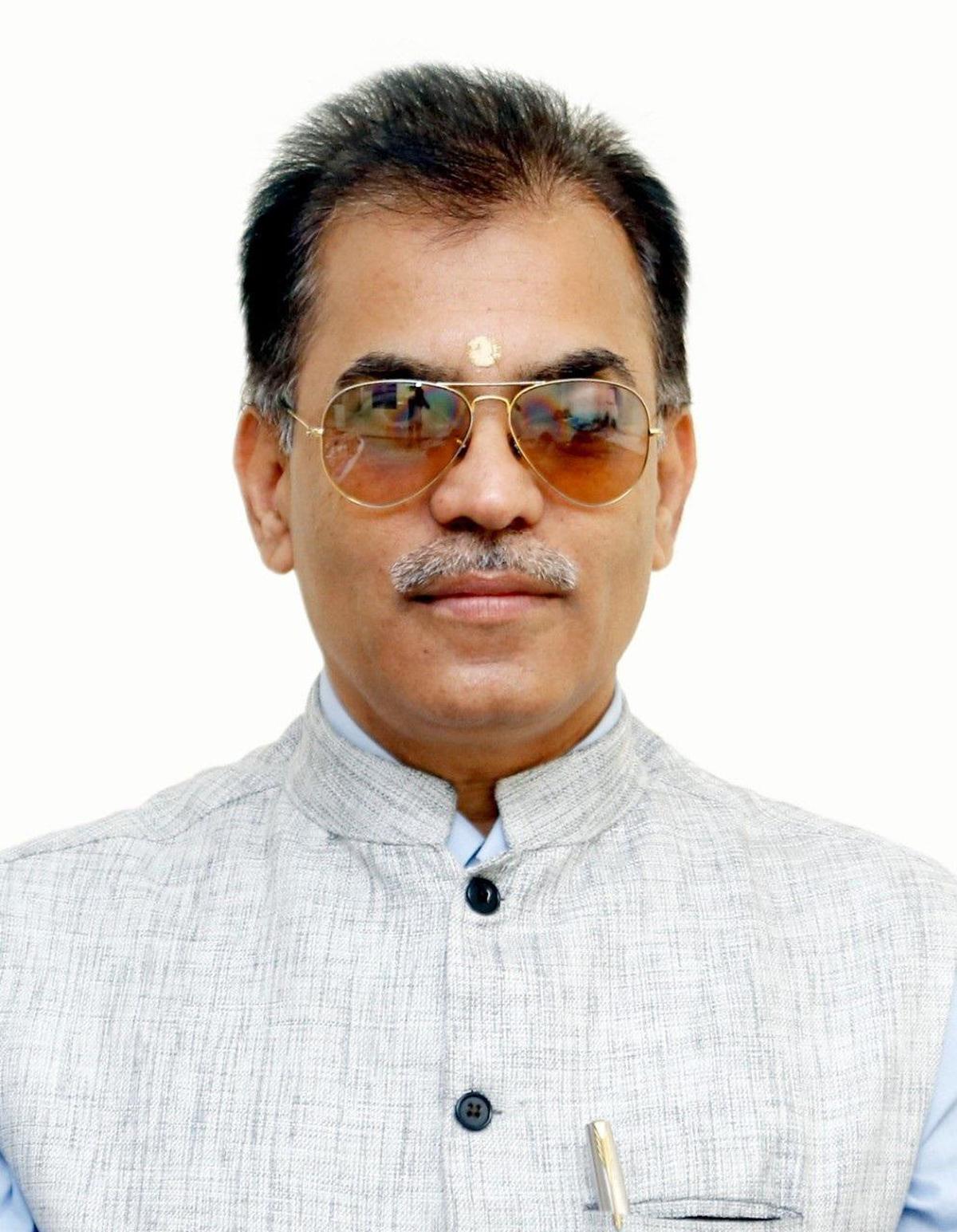
VTU, named after the renowned engineer and statesman Sir M. Visvesvaraya, has a mandate that extends beyond conventional academic administration. The university plays a key role in shaping Karnataka’s technical workforce, influencing innovation ecosystems and industrial growth. As an Executive Council Member, Sangappa will be part of decisions that directly affect the future readiness of engineering graduates and the relevance of technical education in a changing economy.
Officials associated with the university noted that the nomination comes at a crucial juncture. With increasing emphasis on interdisciplinary learning, research-driven education, and industry collaboration, VTU is in the process of reassessing several of its long-standing practices. The inclusion of experienced members in its Executive Council is seen as vital for steering these reforms with balance and foresight.
For Sangappa, the nomination represents both an honour and a responsibility. In informal interactions, he has reportedly acknowledged the trust placed in him and expressed commitment to contributing constructively to the university’s growth. Observers say his approach is likely to focus on strengthening institutional accountability while safeguarding academic autonomy.
Role of the Executive Council and Expectations from the Nomination
The Executive Council of VTU functions as the apex governing authority, responsible for approving regulations, overseeing financial decisions, and ensuring that the university operates in accordance with its objectives and statutory obligations. Members are expected to bring diverse perspectives, ranging from academic expertise to administrative experience, to guide the institution through complex challenges.
Sangappa’s nomination is expected to add value particularly in discussions around decentralisation and equitable development. VTU’s vast network of affiliated colleges spans urban centres and remote regions alike, creating disparities in infrastructure, faculty strength, and student exposure. Addressing these imbalances has been a recurring concern, and stakeholders hope that the new member will advocate policies that uplift institutions in less-developed regions.
Academic leaders point out that the Executive Council plays a crucial role in curriculum reform. With rapid advancements in artificial intelligence, renewable energy, biotechnology, and data science, engineering education requires constant updating. There is growing pressure on universities to ensure that graduates are industry-ready while retaining strong foundations in theory and ethics. Sangappa’s participation in such deliberations is expected to emphasise relevance without compromising academic rigour.
Faculty welfare and recruitment processes are another area where the Council’s decisions have lasting impact. Delays in appointments, uneven workload distribution, and limited opportunities for professional development have been persistent concerns. Teachers’ associations have expressed hope that the Council, with its renewed composition, will prioritise transparent recruitment, regular promotions, and structured training programmes.
The nomination has also been viewed through the lens of governance reform. Universities across the country are under scrutiny to improve transparency, financial discipline, and responsiveness. As a member of the Executive Council, Sangappa will be involved in approving budgets, monitoring expenditure, and ensuring that public resources are used effectively. His role is expected to contribute to strengthening institutional credibility.
Student representatives have welcomed the nomination, expressing optimism that student-centric issues will receive greater attention. Concerns related to examination reforms, evaluation fairness, internship opportunities, and mental health support have gained prominence in recent years. While the Executive Council does not engage in day-to-day administration, its policy directions significantly influence how such issues are addressed.
Education analysts note that nominations to bodies like the Executive Council are not merely symbolic. Members can shape long-term vision documents, influence regulatory alignment, and guide collaborations with industry and research institutions. Sangappa’s presence is therefore seen as an opportunity to bring fresh energy and pragmatic thinking into the university’s leadership.
At the same time, expectations are high. Stakeholders are aware that systemic challenges cannot be resolved overnight and require sustained engagement. The effectiveness of any Council member depends not only on intent but also on the ability to navigate institutional structures and build consensus. Observers will be watching closely to see how Sangappa positions himself within these dynamics.
Implications for Technical Education and the Road Ahead
The nomination comes at a time when Karnataka is positioning itself as a hub for technology-driven growth. The State’s demand for skilled engineers and technologists continues to rise, driven by sectors such as information technology, manufacturing, electronics, and clean energy. Universities like VTU play a central role in meeting this demand, making effective governance all the more critical.
Experts believe that the Executive Council must now focus on aligning academic outcomes with evolving industry expectations. This includes promoting project-based learning, encouraging internships, and strengthening research-industry linkages. As a Council member, Sangappa is expected to support initiatives that bridge the gap between classrooms and workplaces.
Another key challenge is balancing expansion with quality. Over the years, the rapid growth of engineering institutions has raised concerns about standards. Ensuring consistent quality across affiliated colleges requires robust monitoring and support mechanisms. Policymakers hope that the Council will take decisive steps to enforce norms while also assisting institutions in capacity building.
The issue of student employability remains central to discussions on technical education. While enrolment numbers remain high, placement outcomes vary widely. Addressing this gap requires coordinated efforts involving curriculum reform, faculty upskilling, and industry partnerships. Sangappa’s contribution to these discussions is expected to emphasise practical solutions rather than short-term measures.
Research and innovation are other areas demanding attention. VTU has the potential to become a major research-driven university, but this requires sustained investment and supportive policies. Encouraging faculty and students to engage in meaningful research, securing funding, and fostering a culture of innovation are tasks that fall within the strategic domain of the Executive Council.
There is also growing recognition of the need to support students beyond academics. Issues such as mental health, financial stress, and career uncertainty have become more visible in recent years. University policies that address these concerns holistically are increasingly seen as integral to educational success. Stakeholders hope that the Council will adopt a more empathetic and student-focused approach in its policy frameworks.
From a governance perspective, the nomination reinforces the importance of inclusive leadership. Bringing in members with diverse experiences can help universities avoid insular decision-making and remain connected to societal needs. Sangappa’s induction is therefore viewed as part of a broader effort to strengthen institutional leadership through representation and experience.
As Sangappa begins his tenure as an Executive Council Member, expectations are both hopeful and cautious. The role offers an opportunity to contribute meaningfully to shaping the future of technical education in Karnataka. At the same time, it demands commitment, integrity, and sustained engagement with complex issues.
Ultimately, the nomination reflects trust in Sangappa’s ability to serve the larger interests of students, institutions, and the State’s education system. Whether this trust translates into tangible outcomes will depend on how effectively the Executive Council functions in the coming years. For now, the development stands as a significant milestone, signalling continuity, responsibility, and the possibility of thoughtful reform at one of Karnataka’s most influential universities.
Ultimately, the nomination reflects trust in Sangappa’s ability to serve the larger interests of students, institutions, and the State’s education system. Whether this trust translates into tangible outcomes will depend on how effectively the Executive Council functions in the coming years. For now, the development stands as a significant milestone, signalling continuity, responsibility, and the possibility of thoughtful reform at one of Karnataka’s most influential universities.
Follow: Karnataka Government
Also read: Home | Channel 6 Network – Latest News, Breaking Updates: Politics, Business, Tech & More
