
In a pioneering development in biotechnology, scientists have successfully trained chickens to produce human proteins inside their eggs, marking a significant leap forward in medical research and pharmaceutical production. The breakthrough, achieved through advanced genetic engineering techniques, allows hens to synthesize proteins that are typically found in the human body, offering a novel method for producing therapeutic compounds at scale. Researchers claim that this innovation could transform the production of life-saving medications, including vaccines, antibodies, and other protein-based treatments, potentially making them more accessible and cost-effective.
The study, conducted by a team of molecular biologists and genetic engineers, involved precise modification of the chicken genome to enable the expression of human protein-coding genes in egg whites. This method, known as “transgenic expression,” allows the protein to accumulate in the egg without affecting the health or reproductive ability of the hens. Scientists have emphasised that the approach represents a significant advancement over traditional production methods, which often rely on cell cultures, mammalian systems, or synthetic manufacturing—processes that are expensive, time-consuming, and prone to contamination.
Chickens, the researchers noted, are particularly suitable for this purpose due to their natural ability to produce large volumes of protein-rich eggs, their relatively short reproductive cycles, and established husbandry practices. Each hen can produce multiple eggs per week, allowing for continuous, scalable protein production. The proteins harvested from eggs are then purified using established biochemical techniques, ensuring they meet stringent safety and quality standards required for medical use.
The implications of this innovation are vast. For patients suffering from conditions that require protein-based therapies, such as clotting disorders, autoimmune diseases, or certain cancers, the ability to produce human proteins in eggs could drastically reduce costs and increase availability. Pharmaceutical companies are exploring partnerships to scale this approach for mass production, potentially revolutionising the way medications are manufactured and distributed globally.
Researchers are now focusing on scaling up the production process to meet potential global demand. While initial studies involved small flocks of hens, commercial-scale operations would require hundreds or thousands of birds to generate sufficient quantities of proteins. Scientists are working on optimising breeding, egg collection, and protein extraction processes to ensure consistency, efficiency, and cost-effectiveness without compromising the welfare of the hens.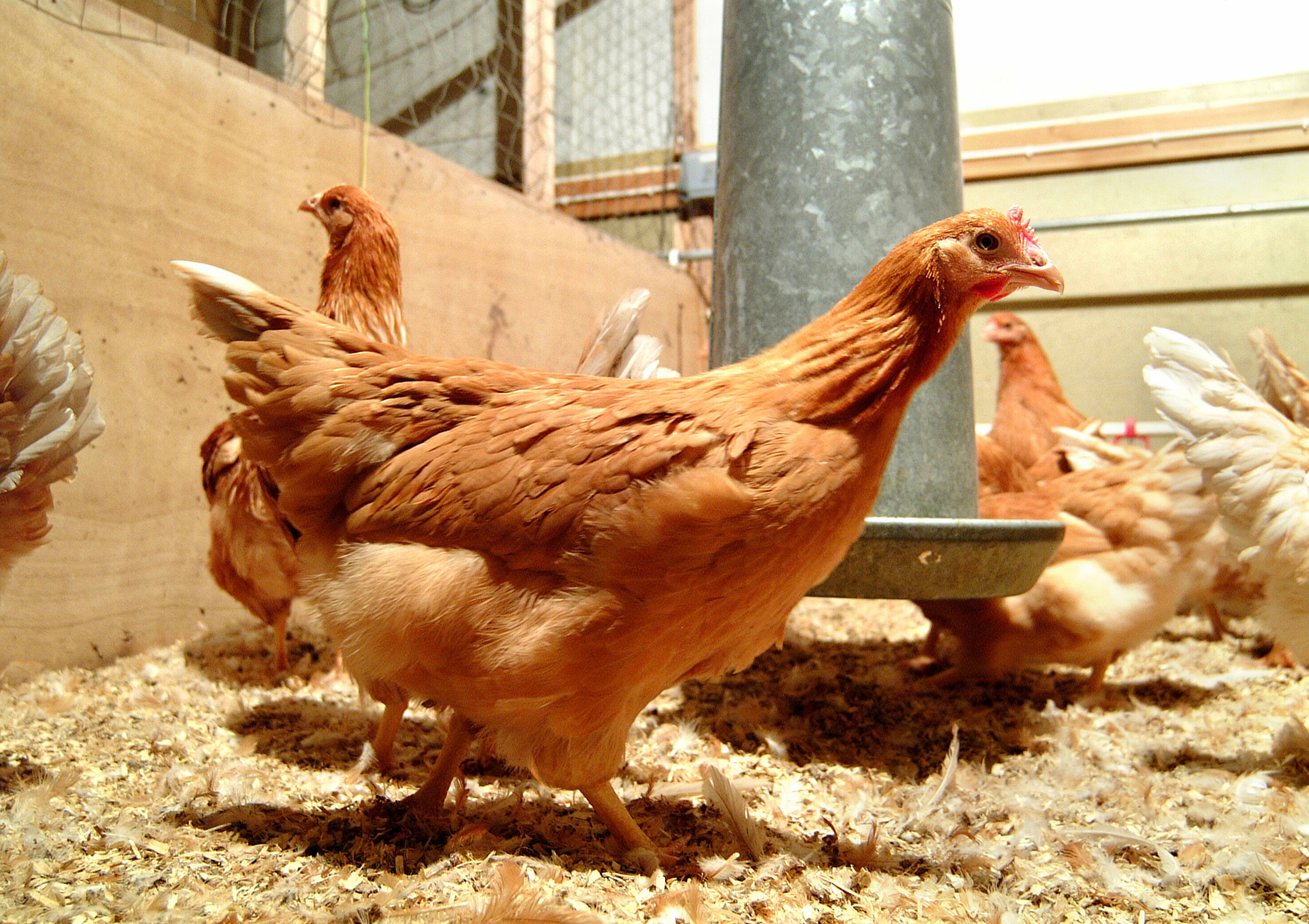
Another area of ongoing research involves expanding the range of human proteins that can be produced in eggs. Early successes have focused on well-characterised therapeutic proteins, but scientists aim to test more complex proteins, including multi-subunit enzymes and glycosylated proteins, which have traditionally been difficult to produce outside mammalian systems. Success in this area could dramatically broaden the scope of treatments available using this method.
Collaboration with pharmaceutical companies is also underway to explore pathways for regulatory approval and commercialisation. These partnerships aim to integrate egg-derived proteins into existing drug development pipelines, ensuring that they meet rigorous standards for clinical use. Companies are assessing how to adapt current purification, storage, and distribution practices to accommodate proteins sourced from eggs while maintaining efficacy and safety.
Environmental scientists have highlighted the potential sustainability benefits of this approach. Compared to traditional cell culture or mammalian systems, using hens requires less energy, water, and specialised infrastructure. Reduced dependence on high-cost bioreactors and laboratory facilities could lower the carbon footprint of protein production, aligning biotechnology practices with broader goals of ecological responsibility and sustainable development.
Public engagement and ethical transparency remain key priorities as the technology advances. Researchers are organising outreach programs, public consultations, and educational campaigns to explain the science, address concerns about genetic engineering, and highlight measures taken to ensure animal welfare. By fostering informed dialogue, scientists aim to build public trust and support for this transformative innovation in medicine.
Scientific Method and Genetic Engineering Approach
The process begins with the identification of the human gene responsible for the target protein. This gene is then inserted into a viral vector, which delivers it into chicken embryos at an early stage of development. Researchers carefully ensure that the gene integrates into the chicken genome in a way that allows it to be expressed specifically in the cells that form the egg white, while avoiding interference with other physiological processes. Once the hens reach maturity, they begin producing eggs containing the desired human protein.
One of the key challenges addressed by the scientists was ensuring that the proteins maintain their functional structure after being produced in eggs. Proteins must fold correctly to be biologically active, and any misfolding can render them ineffective or even harmful. Using advanced molecular biology techniques, the team verified that the egg-produced proteins matched their human counterparts in both structure and function, ensuring therapeutic efficacy. This step was crucial to validate the feasibility of the approach for clinical applications.
Ethical considerations were also central to the research. Scientists emphasised that the genetic modifications are designed to be specific and stable, causing no harm to the chickens. The hens continue to live normal lives, lay eggs naturally, and exhibit typical behavior. Researchers maintain that the approach adheres to ethical standards for animal research, and that welfare is monitored continuously to ensure humane treatment.
The potential for scalability makes this approach particularly attractive. Unlike traditional mammalian cell culture systems, which require expensive bioreactors and strict sterility, chickens provide a low-cost, high-yield production platform. Experts argue that this could be especially beneficial for low- and middle-income countries, where access to advanced medical therapies is often limited by cost and infrastructure constraints.
Applications in Medicine and Pharmaceuticals
The ability to produce human proteins in eggs opens new avenues for treating a variety of medical conditions. For example, therapeutic antibodies used in cancer treatment or autoimmune diseases could be mass-produced at a fraction of the current cost. Similarly, enzymes required for rare genetic disorders, which are often prohibitively expensive, could become more widely available. Scientists also foresee applications in vaccine development, where protein subunits or antigens can be expressed in eggs and used for immunisation purposes.
Researchers believe this method could also accelerate the response to emerging infectious diseases. By rapidly producing relevant proteins or antibodies in hens, pharmaceutical companies could develop treatments or vaccines more quickly than conventional methods allow. This agility could prove critical during pandemics, reducing the lag between pathogen identification and therapeutic availability.
The technology also has potential implications for personalised medicine. In theory, human proteins tailored to individual patient needs could be produced using specific genetic sequences, enabling customised therapies. While this remains a long-term goal, the successful demonstration of protein production in eggs provides a foundation for further exploration in precision medicine.
Regulatory considerations will play a crucial role in translating this innovation from laboratory to market. Proteins produced in transgenic eggs must undergo rigorous testing to ensure safety, purity, and efficacy. Authorities such as the FDA and EMA are likely to establish specific guidelines for egg-derived therapeutics, covering everything from animal welfare to manufacturing standards. Researchers are optimistic that the technology can meet these requirements, given its controlled methodology and demonstrated reproducibility.
Global Impact and Future Prospects
The breakthrough has attracted international attention, with research institutions and pharmaceutical companies exploring collaborative projects. Experts believe that egg-based protein production could reduce dependency on complex bioreactor facilities, simplify supply chains, and lower environmental impact, as hens require less energy-intensive resources compared to mammalian cell cultures. This could make protein-based therapies more sustainable and globally accessible.
In addition to healthcare, the technology has potential applications in biotechnology research and industrial enzyme production. Proteins with industrial significance, such as enzymes used in food processing, detergents, or biofuels, could be produced in eggs at scale. This versatility underscores the transformative potential of the approach beyond human medicine.
While optimism is high, scientists caution that widespread adoption will require careful planning. Production capacity, quality control, and regulatory approval processes must be meticulously managed. Researchers stress that continued investment in genetic engineering, protein purification, and animal welfare monitoring is essential to ensure that the technology is both effective and ethically responsible.
Public reaction to the development has been largely positive, with advocates highlighting its potential to make life-saving medications more affordable. However, there is ongoing debate around genetic engineering ethics, transparency in scientific communication, and long-term ecological implications. Scientists have responded by emphasising rigorous safety protocols, transparency in reporting, and ethical oversight in all aspects of the research.
In conclusion, the successful production of human proteins in chicken eggs represents a remarkable fusion of genetic engineering, biotechnology, and innovative thinking. By leveraging a natural biological system to produce complex human proteins, researchers have opened the door to more accessible, efficient, and sustainable therapies. As the technology moves toward clinical application, it promises to reshape the landscape of pharmaceuticals, improve patient access to vital treatments, and inspire further breakthroughs in the field of synthetic biology.The world will be watching closely as this innovation advances from experimental studies to large-scale production, potentially redefining the future of medicine and demonstrating the untapped potential of animal biotechnology for human benefit.
The world will be watching closely as this innovation advances from experimental studies to large-scale production, potentially redefining the future of medicine and demonstrating the untapped potential of animal biotechnology for human benefit.
Follow: Karnataka Government
Also read: Home | Channel 6 Network – Latest News, Breaking Updates: Politics, Business, Tech & More
