
Senior Congress leader and Karnataka Deputy Chief Minister D.K. Shivakumar delivered a pointed political message when he declared that one can be a leader only by “walking the talk,” a remark that has resonated strongly across the State’s political landscape. The statement, though brief, carries layered implications for governance, party discipline, public accountability, and the evolving expectations of leadership in Karnataka. Coming at a time of heightened political scrutiny, administrative challenges, and internal party dynamics, the comment has been interpreted as both a reflection on personal leadership philosophy and a subtle critique of political inconsistency.
The statement has also reignited conversations within governance circles about performance audits and public accountability frameworks. Administrators and policymakers point out that “walking the talk” in governance requires measurable indicators, timelines, and transparency in execution. Without these, even well-intentioned leadership risks being perceived as hollow. DKS’s comment, therefore, places renewed pressure on departments to align their functioning with announced priorities and to communicate progress clearly to citizens. In this sense, the remark is not merely philosophical but operational, nudging the system toward outcome-based governance rather than announcement-driven administration.
Within political ranks, the message is being read as a reminder that leadership legitimacy is fragile and constantly under evaluation. Party insiders note that such statements can act as internal correctives, discouraging complacency and reinforcing the idea that authority must be justified through performance. At a time when public memory is shaped by rapid information flow and social scrutiny, inconsistencies are quickly exposed. Leaders who fail to match words with action risk reputational damage that can be difficult to reverse. The emphasis on credibility thus serves as both guidance and warning.
For the electorate, the remark reinforces a growing insistence on ethical and effective leadership. Citizens increasingly judge leaders not by speeches or symbolism but by tangible improvements in daily life. Infrastructure delivery, service efficiency, and responsiveness to public concerns are now central to political evaluation. By articulating this principle publicly, DKS has echoed a sentiment that many voters already hold. Whether this alignment between rhetoric and expectation translates into sustained trust will depend on consistent delivery, making the coming period a decisive test for leadership credibility.
DKS, as he is widely known, has often positioned himself as a leader who believes in action over rhetoric. His statement reinforces a broader narrative he has consistently articulated, that leadership is not conferred merely by position or speech, but earned through demonstrable commitment, consistency, and the courage to implement what one promises. In a political environment where public trust is fragile and promises are frequently questioned, the emphasis on credibility has struck a chord.
Observers note that the remark comes amid debates over governance performance, administrative reforms, and accountability within the political system. While DKS did not name individuals or parties, the timing has led to speculation that the comment was directed at leaders who make public commitments without ensuring delivery. The statement has also been viewed as a message to party colleagues, bureaucrats, and political opponents alike, reinforcing expectations of discipline and responsibility.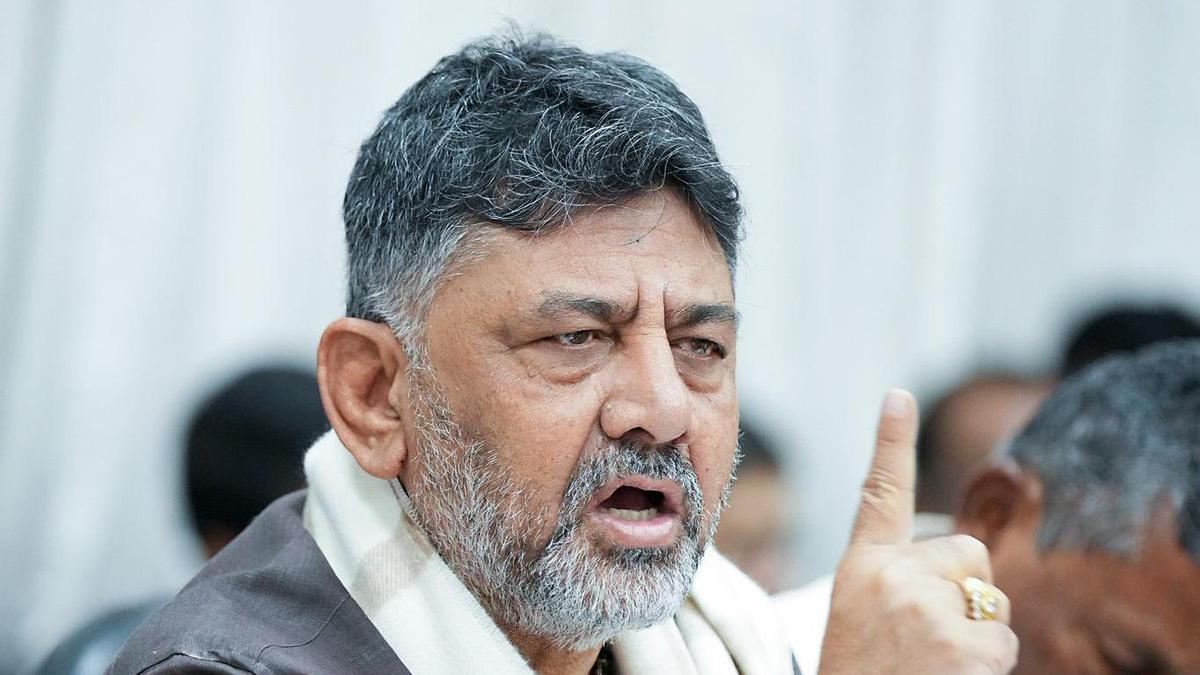
Supporters argue that DKS’s political journey lends weight to his words. Known for his organisational skills and hands-on approach, he has cultivated an image of a leader who prefers ground-level engagement over symbolic gestures. Critics, however, caution that such statements also invite scrutiny of one’s own record, making performance and follow-through even more critical.
The phrase “walk the talk” has become a recurring demand from citizens across India, reflecting frustration with governance gaps and unmet promises. By invoking it, DKS has aligned himself with a growing public sentiment that leadership must be measured by outcomes rather than declarations. The challenge now lies in translating this principle into sustained governance practices.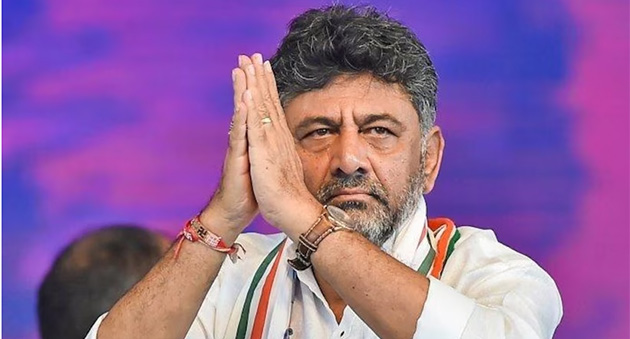
LEADERSHIP, ACCOUNTABILITY, AND THE POLITICAL SIGNAL
The statement by DKS goes beyond motivational rhetoric and enters the realm of political signalling. In contemporary politics, leadership remarks are rarely isolated; they are often read in context, shaped by events, alliances, and public expectations. DKS’s comment has been interpreted as a reaffirmation of accountability as a core value, particularly within the ruling establishment.
Political analysts suggest that the remark may serve multiple purposes. Internally, it reinforces expectations among party functionaries and ministers to align their actions with stated commitments. With governance under constant public and media scrutiny, such messaging helps establish a moral and administrative benchmark. Externally, it positions the Congress leadership as conscious of public disillusionment with political doublespeak and eager to project a results-oriented image.
The idea of “walking the talk” is especially significant in Karnataka’s current political climate, where administrative efficiency, development delivery, and policy implementation remain key public concerns. From infrastructure projects to welfare schemes, citizens increasingly demand not just announcements but visible progress. Leaders who fail to follow through risk losing credibility rapidly in an era of instant feedback and heightened awareness.
DKS’s assertion also touches upon the ethical dimension of leadership. Political authority carries power, but it also carries responsibility. When leaders publicly articulate values or promises, failing to act on them can erode institutional trust. By emphasising action, DKS underscores the moral obligation that accompanies leadership roles.
Within the Congress party, the statement may also be seen as reinforcing organisational discipline. As a senior leader with significant influence, DKS’s words can shape behaviour and expectations across ranks. It signals that performance, not proximity to power, should define leadership credibility.
At the same time, opposition parties have responded with cautious scepticism. Some leaders argue that statements about walking the talk must be matched by transparent governance and measurable outcomes. They contend that lofty principles must be tested against real-world decisions, policy trade-offs, and crisis management.
Nevertheless, the clarity of the message has ensured its impact. In a political culture often dominated by ambiguity and strategic silence, a direct articulation of leadership standards stands out. Whether it translates into sustained institutional practice remains the critical question.
PUBLIC EXPECTATIONS AND THE BURDEN OF DELIVERY
For the public, DKS’s remark resonates with a simple but powerful expectation: that leaders should do what they say. Years of exposure to unmet promises, delayed projects, and shifting narratives have fostered scepticism among citizens. As a result, statements emphasising integrity and follow-through carry emotional and political weight.
Civil society voices argue that leadership today must be participatory, transparent, and accountable. Walking the talk, in this sense, involves engaging with citizens, acknowledging shortcomings, and correcting course when necessary. It also means resisting the temptation to prioritise optics over substance.
Governance experts note that credibility is built incrementally. Each fulfilled promise strengthens trust, while each failure compounds doubt. Leaders who emphasise action must therefore institutionalise mechanisms that ensure monitoring, evaluation, and public reporting. Without such systems, even sincere intentions risk being undermined by bureaucratic inertia or political compromise.
DKS’s statement has also sparked discussion on leadership styles. Some see it as an endorsement of decisive, hands-on governance, while others caution that action must be inclusive and consultative. Walking the talk does not imply unilateralism; rather, it requires aligning policy decisions with stated values through democratic processes.
The burden of delivery extends beyond individual leaders to institutions as a whole. Political leadership sets the tone, but effective implementation depends on administrative machinery, coordination, and resource allocation. Ensuring that promises translate into outcomes requires sustained effort across departments and levels of government.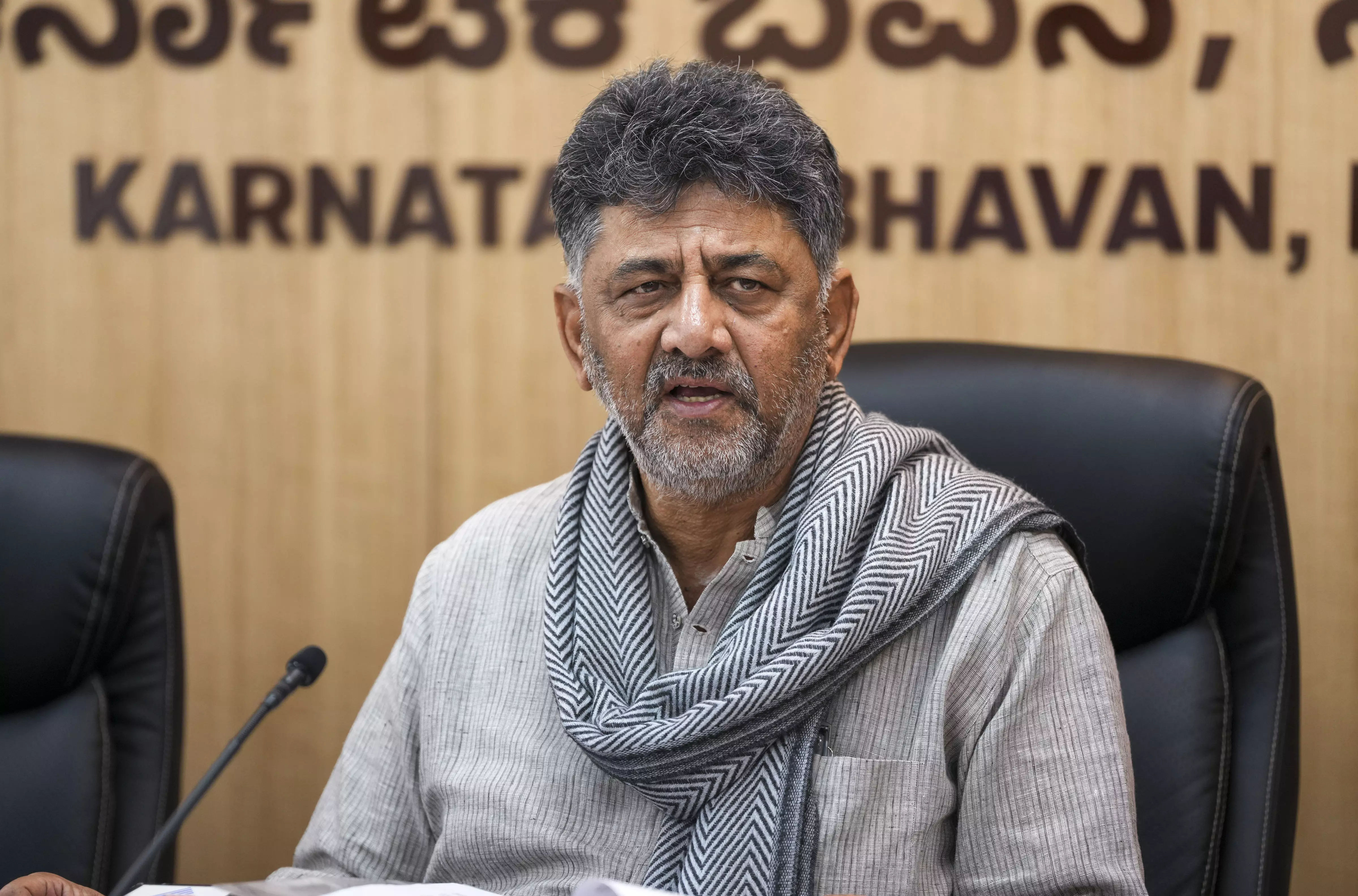
In this context, DKS’s words could serve as a rallying call for institutional reform and efficiency. By framing leadership as action-oriented, the message encourages a culture where results matter more than rhetoric. However, it also raises expectations that leaders themselves must be visibly accountable.
For younger voters and politically engaged citizens, such statements are closely watched. They represent an opportunity to assess whether political discourse is evolving toward greater honesty and responsibility. Failure to meet these expectations could deepen cynicism, while success could strengthen democratic engagement.
A TEST FOR POLITICAL CREDIBILITY: SHIVAKUMAR
Ultimately, DKS’s statement sets a high bar, both for himself and for others in positions of power. Declaring that leadership requires walking the talk invites scrutiny, comparison, and judgment. It transforms a principle into a standard against which actions will be measured.
Political history is replete with leaders whose credibility rested on their ability to align words with deeds. Those who succeeded left lasting legacies, while those who failed became cautionary tales. In invoking this principle, DKS places emphasis on a timeless measure of leadership effectiveness.
The coming months will determine how this message is operationalised. Policy decisions, administrative actions, and responses to public challenges will all be viewed through the lens of this declaration. Supporters will expect consistency, while critics will look for contradictions.
The broader impact of the statement lies in its potential to shape political discourse. If leaders across parties begin to emphasise delivery over declarations, it could mark a positive shift in governance culture. However, if the phrase remains a slogan without structural backing, it risks becoming another rhetorical device.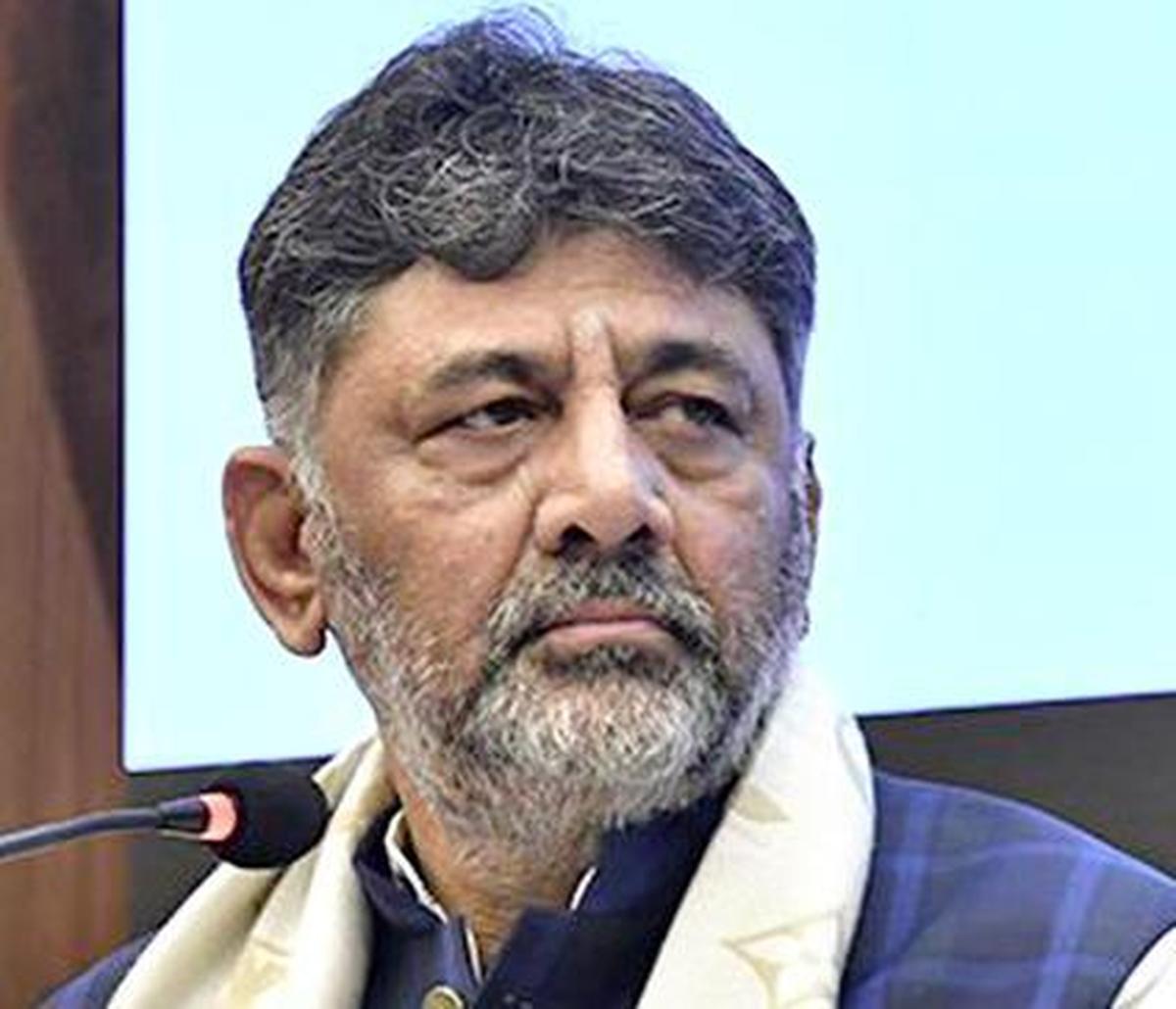
For Karnataka’s political leadership, the message arrives at a moment when public patience is limited and expectations are high. Walking the talk is no longer optional; it is increasingly seen as a prerequisite for legitimacy.
In the end, DKS’s remark captures a fundamental truth of democratic leadership. Authority is not sustained by words alone, but by the visible alignment of intent and action. Whether this principle defines the current political moment or fades into routine rhetoric will depend on how consistently it is upheld.
For now, the statement stands as both a challenge and a promise, a reminder that leadership is not about what is said from podiums, but about what is delivered on the ground.
Follow: Karnataka Government
Also read: Home | Channel 6 Network – Latest News, Breaking Updates: Politics, Business, Tech & More
