
In a strong and pointed message aimed at silencing rumour mills within the party and outside it, Deputy Chief Minister D.K. Shivakumar declared that he will “never indulge in factional politics or backstabbing,” insisting that loyalty to the party and its leadership remains the foundation of his political life. His statement comes at a politically sensitive moment, with debates over leadership roles, internal equations, and the future direction of the government dominating Karnataka’s political atmosphere.
Making his stand clear, Shivakumar said that the party must move forward unitedly and not allow internal disagreements to weaken the larger mission of governance and public welfare. He reminded party workers that the organisation has weathered storms in the past through discipline and collective resolve, not through internal confrontations. His message was widely viewed as both an assurance to the high command and a signal to his supporters to avoid unnecessary speculation.
UNITY VS. TENSION: SHIVAKUMAR’S BALANCING ACT AMID LEADERSHIP DEBATES
Shivakumar’s comments arrive amid persistent speculation about the leadership dynamics between the Chief Minister and Deputy Chief Minister. Though both leaders have repeatedly stated they will abide by the decisions of the party high command, whispers of internal differences continue. By asserting that he will neither sabotage nor destabilise the government, Shivakumar attempted to project himself as a disciplined organisational leader focused on strengthening the party at every level.
Observers noted that his statement also attempts to calm anxieties within the party’s grassroots cadre, many of whom were caught between loyalties and uncertainties. Shivakumar reminded them that factionalism has historically hurt parties more than external challenges. According to party insiders, this message was also aimed at preventing over-enthusiastic supporters from making provocative comments that could be interpreted as pressure tactics.
What makes the statement notable, analysts say, is its timing. With the Assembly session approaching and the government expected to present important policy decisions, ensuring a stable internal climate is crucial. Shivakumar’s efforts to frame unity as a strategic necessity rather than merely a moral commitment may help stabilise the mood within the legislature and bureaucracy.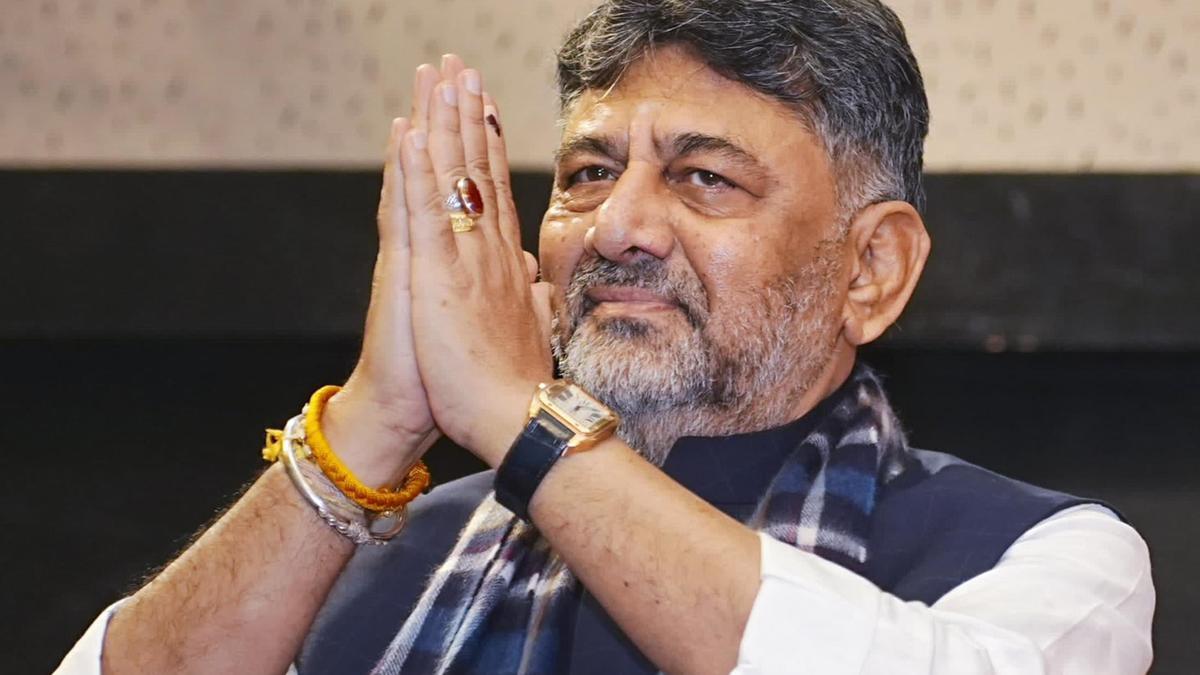
POLITICAL SIGNALS: A MESSAGE TO HIGH COMMAND AND OPPOSITION ALIKE
Beyond internal implications, Shivakumar’s remarks also send a message to the opposition, which has been alleging instability in the ruling dispensation. By projecting himself as a leader uninterested in backroom maneuvers, Shivakumar attempted to close the door to allegations that the government is internally divided and inching towards conflict. In political terms, it reaffirms that the coalition between the top two leaders remains intact, at least publicly.
Within the party’s national leadership, Shivakumar’s statement is being perceived as a gesture of reassurance. The high command has already called for discipline and unity among Karnataka leaders, and his words emphasize that he stands firmly behind that directive. Whether this contributes to long-term clarity within the party hierarchy remains to be seen, but it strengthens the narrative that Karnataka leaders are mindful of Delhi’s expectations.
His invocation of loyalty and organisational values also aligns with his broader positioning within the party. Shivakumar has long portrayed himself as a team-builder, crisis-manager and loyalist, often reminding leaders of past sacrifices made to protect the party’s interests during difficult years. The current message fits that storyline and reinforces his political identity.
WHAT THIS MEANS FOR THE MONTHS AHEAD
As the government enters a crucial phase with legislative priorities, budget preparation, and district-level reviews, political stability will play a decisive role in implementation. Shivakumar’s message may help ease anxieties among administrators who often take cues from leadership dynamics when executing policy decisions. A clear public stance on unity may translate into smoother coordination across departments.
For the party’s organisational machinery, the message helps set the tone for upcoming political strategies. Leaders expect local-level workers to focus on governance delivery, welfare outreach, and constituency strengthening — areas that often get neglected when infighting dominates political discourse. By framing unity as an organisational duty, Shivakumar attempts to push the cadre into election-ready discipline rather than speculation-driven politics.
In a strong and emotionally charged statement, Deputy Chief Minister D.K. Shivakumar on Monday asserted that he would never indulge in factional politics or betray anyone within his party. His remarks come at a time when Karnataka continues to witness rising tensions and speculation over leadership stability, internal coordination, and the political future of the ruling party. Speaking at a public event attended by party workers and supporters, Shivakumar stated that loyalty has always been the core of his political journey and would continue to remain non-negotiable.
He emphasised that his commitment to the party, its workers, and the larger organisational discipline goes beyond posts or power equations. Without naming any individual or group, he noted that backstabbing and factionalism weaken the party’s foundations and ultimately harm governance. His tone reflected a deeper intent to counter speculation surrounding leadership equations, while signaling to the high command that he remains firmly aligned with the broader party interest.
Shivakumar reiterated that he had always handled political challenges with dignity and restraint, choosing dialogue over confrontation and collective growth over personal gain. He added that differences within a party are natural, but they must be resolved internally and respectfully. His remarks were received with loud applause by supporters present, many of whom claimed that Shivakumar’s message reflects his long-standing reputation as a loyal organiser and crisis manager within the party structure.
LEADERSHIP STABILITY AND MESSAGING TO PARTY CADRES
Political observers believe that Shivakumar’s statement serves a dual purpose — calming internal tensions and reassuring party cadres of his continued loyalty. Over the past few weeks, Karnataka politics has been dominated by speculations about leadership change, second-round talks between the Chief Minister and Deputy Chief Minister, and high-level interventions by senior national leaders. In such a context, Shivakumar’s public stance seeks to reduce friction and prevent factional lines from deepening further.
Party insiders reveal that a significant section of MLAs and district-level workers view Shivakumar as an organisational backbone whose influence is vital for electoral mobilisation. His assurance against indulging in backstabbing is therefore being interpreted as an attempt to keep the cadre united while countering misinformation and political rumours. Analysts say that the timing of this statement is equally crucial, as the party is preparing for an intense legislative session, local body elections, and internal restructuring.
At the administrative level, government officials are reportedly relieved by the Deputy CM’s stance, as clarity and internal harmony are essential for smooth governance. Frequent speculation about leadership tussles had created uncertainty within bureaucratic circles, slowing decision-making in key departments. A strong public message from one of the state’s top leaders, therefore, is expected to stabilise the internal climate and redirect focus toward governance.
Shivakumar also highlighted that politics, especially at the state level, requires patience, maturity, and a sense of responsibility toward citizens. He stated that leaders must demonstrate the strength to rise above personal aspirations, especially when the public expects stability and efficient administration. He pointed out that Karnataka is witnessing significant socio-economic challenges that require coordinated teamwork, not internal rivalry. By positioning himself as a leader focused on collective progress, Shivakumar sought to shift the narrative from power struggles to governance priorities.
He further noted that social welfare schemes, rural development projects, and infrastructure proposals cannot be delayed due to political disagreements. According to him, political leadership must take a unified approach to guarantee smooth implementation of government programmes — from guarantee schemes to farmer support and urban development initiatives. Shivakumar’s remarks underscored his attempt to project himself as a guardian of governance continuity and administrative discipline.
Responding indirectly to critics, Shivakumar said that his entire political life has been built on trust — trust from voters, party workers, and senior leaders. He emphasised that every responsibility he has undertaken has been fulfilled with honesty and determination. This statement was interpreted as a subtle but pointed message to those who have questioned his intentions or attempted to portray him as a contender for leadership change. His comment that “loyalty cannot be bought or borrowed” resonated strongly with the gathered audience.
Senior party leaders in the state have reportedly welcomed Shivakumar’s statement, calling it “necessary and timely.” They believe that such assurances from top leaders help maintain discipline at the grassroots level and prevent local-level disputes from escalating. Many legislators have also expressed relief, saying that such statements reduce speculation-driven anxiety and allow them to work confidently in their constituencies without fear of political instability.
The opposition, however, remains skeptical. Some leaders have argued that political tensions within the ruling party are too deep to be resolved through public statements alone. They claim that Shivakumar’s remarks indicate underlying friction rather than complete harmony. Yet, analysts note that despite opposition criticism, the Deputy CM’s strong articulation of unity carries weight, especially among his large support base and within party organisational networks.
Observers also highlight that the statement could be a strategic message directed at the party high command. By publicly committing to unity and discipline, Shivakumar positions himself as a reliable and stable figure who prioritises the larger interest of governance. This could potentially strengthen his standing in any future deliberations on leadership or organisational restructuring. His supporters see this as an important moment in shaping his long-term political trajectory.
The timing of Shivakumar’s message also aligns with ongoing preparations for the next Assembly session, where the government plans to table several important bills and welfare-related measures. For the ruling party, internal cohesion is essential to smoothly pass legislation and counter the opposition’s expected attacks. Shivakumar’s comments therefore serve as a reassurance that governance will not be disrupted by internal politics.
Political analysts have noted that the Deputy CM’s tone was firm yet reconciliatory. This combination, they argue, reflects his desire to maintain influence without projecting aggression. By choosing this approach, Shivakumar projects himself as a mature leader capable of handling pressure, balancing expectations, and preserving organisational unity. This contrasts with the tension-filled atmosphere that had previously dominated the political landscape.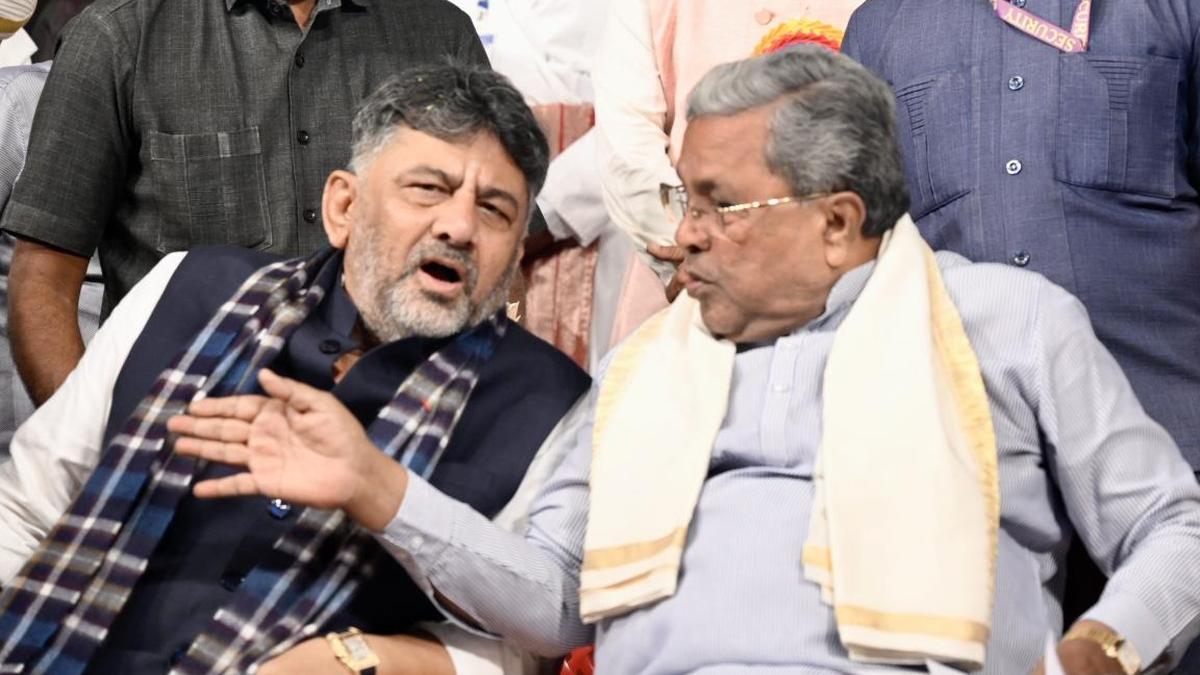
Civil society groups and commentators have also reacted positively to the message, stating that political stability is essential for public welfare. They argue that citizens are more concerned about effective delivery of services, rural development, public safety, and economic support than about leadership tussles. Shivakumar’s statement, therefore, aligns with broader public sentiment seeking continuity rather than conflict.
As Karnataka moves into a crucial period of legislative activity and administrative commitments, the Deputy Chief Minister’s firm denial of factional politics may set the tone for more coordinated governance. Whether this public assurance leads to a sustained phase of internal unity remains to be seen, but the immediate impact is clear: it signals a temporary cooling of tensions, encourages stability within the party, and refocuses the political narrative on governance rather than rivalry.
Follow: Karnataka Government
Also read: Home | Channel 6 Network – Latest News, Breaking Updates: Politics, Business, Tech & More
