
The Chikkaballapur district court on Tuesday sentenced three women to seven years of rigorous imprisonment for forcing a teenage girl into prostitution in a case that has shaken the region and reignited conversations about human trafficking networks operating in smaller towns. The court also imposed fines on the accused, observing that crimes involving exploitation of minors demand strict punishment. The verdict came after a detailed trial that examined witness testimonies, medical reports, and digital evidence. The case highlights the persistent vulnerability of young girls in economically distressed families.
According to the prosecution, the victim, who was under 18 at the time of the incident, was lured with promises of employment and financial assistance. The accused allegedly took advantage of her family’s precarious financial condition and assured them that the girl would be provided safe accommodation and work. However, instead of employment, she was forced into prostitution in different locations within and outside the district. Investigators said the exploitation continued for several months before the crime was exposed through a tip-off to local authorities.
The case was registered under sections of the Indian Penal Code related to trafficking and procuration of a minor girl, along with relevant provisions of the Immoral Traffic (Prevention) Act and the Protection of Children from Sexual Offences (POCSO) Act. Police officials stated that the inclusion of POCSO provisions strengthened the prosecution’s case, as it clearly established the victim’s age and the severity of the offence. The investigation involved coordination between district police units and child welfare authorities.
HUMAN TRAFFICKING
During the trial, the prosecution presented multiple witnesses, including the survivor, her family members, and officials who conducted the rescue operation. The court relied heavily on the survivor’s statement, recorded under Section 164 of the Criminal Procedure Code before a magistrate, which detailed the coercion, threats, and physical abuse she endured. The defence attempted to argue that the victim had consented and that there was no force involved, but the court dismissed these claims, stating that a minor’s consent is legally invalid.
The judge, while pronouncing the sentence, observed that trafficking of minors for sexual exploitation is a grave offence that undermines the moral and social fabric of society. The court emphasized the need for deterrent punishment to send a strong message against such crimes. It noted that the accused had deliberately targeted a vulnerable child and subjected her to repeated exploitation for financial gain. The judge further directed authorities to ensure continued psychological support and rehabilitation assistance to the survivor.
Police officials revealed that the case initially came to light when a local NGO working on women’s rights received information about suspicious activities involving young girls in rented accommodations. Acting on the tip-off, a joint team conducted a raid and rescued the teenager. The three women were arrested shortly thereafter. Investigators also examined call records and financial transactions, which reportedly indicated coordination between the accused and other unidentified individuals. Authorities are continuing efforts to trace possible wider links to trafficking networks.
Child rights activists have welcomed the conviction, stating that timely investigation and effective prosecution are crucial in combating trafficking. They stressed that while the sentence brings a measure of justice, the broader challenge lies in prevention and rehabilitation. Activists called for stronger awareness campaigns in rural areas, where families are often misled by false promises of jobs or marriage proposals. They also urged the government to increase funding for shelter homes and counselling services for rescued minors.
The district administration has reiterated its commitment to tackling human trafficking through coordinated efforts involving police, social welfare departments, and civil society organisations. Officials stated that regular monitoring of lodges, rental homes, and unregistered placement agencies is being intensified. Awareness drives are being conducted in schools and villages to educate parents and adolescents about the risks of trafficking and the importance of verifying employment offers. Authorities believe community vigilance is key to preventing similar incidents.
Legal experts have pointed out that convictions in trafficking cases often face challenges due to social stigma, fear of retaliation, and the reluctance of victims to testify. In this case, they said, the survivor’s courage in deposing before the court played a decisive role. They emphasized the importance of witness protection mechanisms and victim-friendly court procedures to ensure that survivors can testify without intimidation. The judgment is expected to serve as a precedent in similar cases within the region.
The case has once again drawn attention to the socio-economic factors that make minors susceptible to exploitation. Poverty, lack of education, and limited employment opportunities often create conditions where traffickers can operate with relative ease. Experts argue that alongside strict law enforcement, comprehensive social interventions are required to address the root causes. As the three women begin serving their sentences, authorities and activists alike stress that sustained vigilance and systemic reforms are essential to protect vulnerable children from falling prey to trafficking networks.
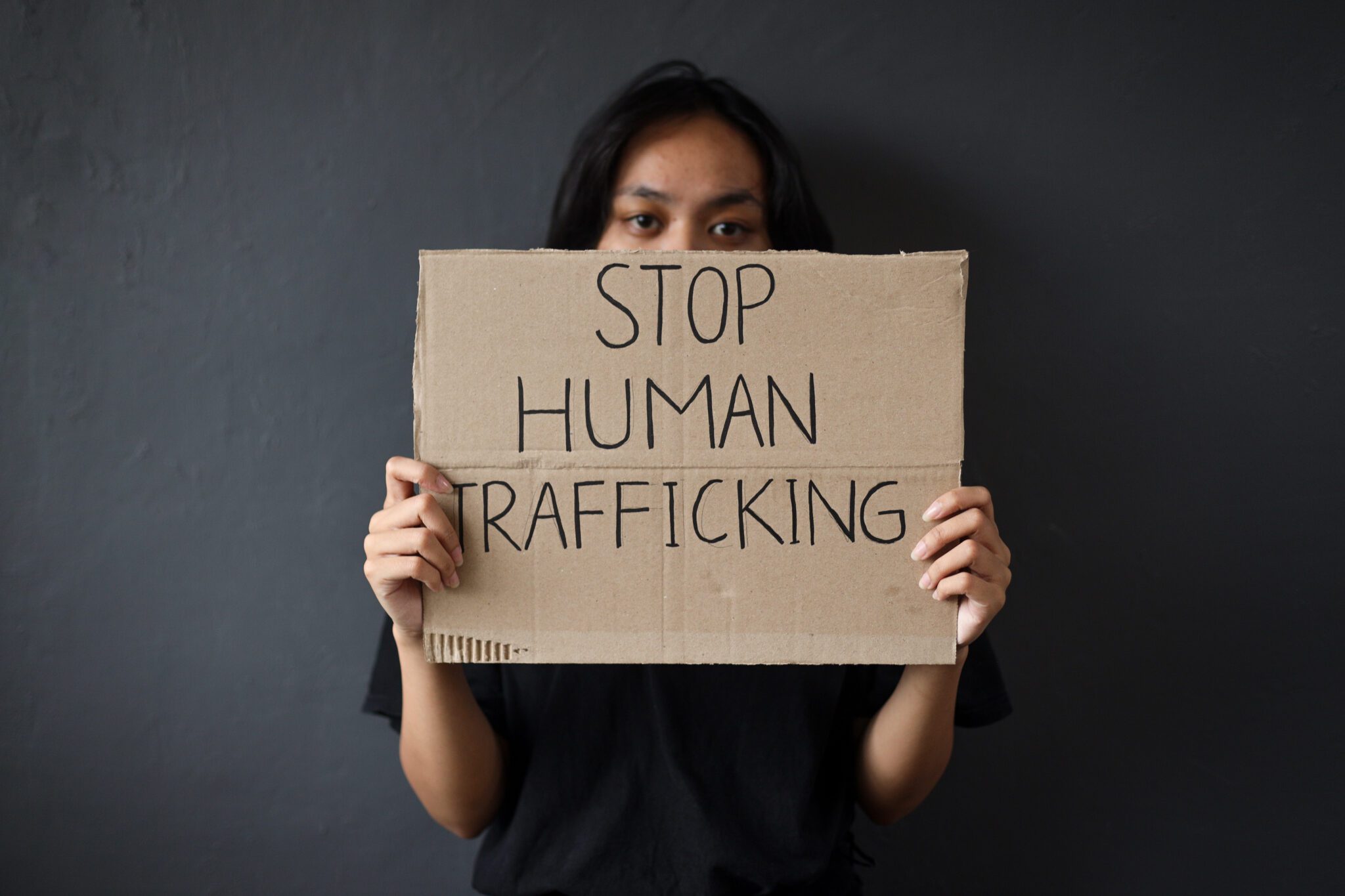
The case has also drawn attention to the role of community vigilance in preventing trafficking. Local residents in Chikkaballapur reportedly grew suspicious after noticing unusual movements in the house where the teenager was confined. Their tip-off to the police became a crucial turning point in rescuing the survivor. Activists say that while law enforcement agencies play a key role, early intervention often depends on alert neighbours, teachers, and community members. Strengthening awareness at the grassroots level can help identify vulnerable children and prevent such crimes before they escalate into prolonged exploitation and abuse.
Child rights experts have pointed out that trafficking networks often exploit socio-economic vulnerabilities, including poverty, family disputes, and lack of educational access. In this case, investigators found that the accused had allegedly lured the teenager with false assurances of employment and financial support. Such deceptive tactics are commonly used to gain the trust of minors and their families. Experts stress that improving livelihood opportunities and ensuring continued education for at-risk children are critical steps in reducing susceptibility to trafficking. Long-term social investment, they argue, is as important as punitive legal action.
WOMEN ARRESTED FOR HUMAN TRAFFICKING
The survivor is currently undergoing counselling and rehabilitation support under government-sponsored programmes. Officials from the Department of Women and Child Development have stated that efforts are being made to ensure her education and psychological well-being are not disrupted further. Trauma-informed care, including therapy and safe housing, forms a core part of the rehabilitation process. Social workers involved in the case emphasise that recovery from such exploitation is often a long journey. Continuous monitoring and emotional support will be necessary to help the survivor rebuild trust and regain a sense of normalcy.
Legal observers have noted that convictions in trafficking cases can sometimes be challenging due to hostile witnesses or lack of documentary evidence. However, in this instance, the prosecution reportedly relied on medical reports, witness testimonies, and digital evidence to establish coercion and confinement. The court’s detailed examination of evidence reinforced the importance of meticulous investigation procedures. Lawyers say the judgment could encourage prosecutors in similar cases to pursue stronger evidence-based arguments, thereby improving conviction rates in crimes involving sexual exploitation and forced prostitution.
The verdict has also reignited discussions about stricter monitoring of rental properties and lodges that may be misused for illegal activities. Law enforcement authorities have indicated that they are intensifying surveillance in vulnerable areas to prevent similar incidents. Periodic inspections and better coordination between police and local administrative bodies are being considered. Officials argue that proactive policing, rather than reactive action after complaints, can significantly reduce the risk of trafficking networks operating undetected within residential neighbourhoods or semi-urban pockets.
Women’s rights organisations have welcomed the sentence but have called for faster judicial processes in cases involving minors. They argue that prolonged trials often add to the psychological burden faced by survivors. Speedy justice, combined with sensitive handling of testimonies, can help reduce secondary trauma. Some groups have also demanded that compensation schemes for survivors be implemented more efficiently, ensuring financial assistance reaches victims without bureaucratic delay. Such measures, they believe, will strengthen faith in the justice system and encourage more families to report exploitation without fear.
The case has prompted renewed focus on awareness campaigns in schools and colleges about the dangers of trafficking. Education departments are considering special sessions to inform students about identifying suspicious approaches and seeking help. Police officials have suggested establishing confidential helplines and strengthening child protection committees at the local level. By empowering young people with information, authorities hope to create an environment where potential victims feel confident in reporting threats early, thereby reducing the likelihood of exploitation going unnoticed.
Community leaders in Chikkaballapur have expressed shock that such a crime occurred within their district. Several local organisations have pledged to collaborate with authorities to organise outreach programmes focused on child safety. Religious institutions and civic bodies are also being encouraged to spread awareness about safeguarding minors. Observers believe that collective responsibility, rather than isolated institutional action, is essential in tackling trafficking. Building a culture of vigilance and empathy can deter offenders who rely on secrecy and social silence to continue their operations.
As the convicted women prepare to serve their seven-year prison terms, the judgment stands as both a warning and a reminder. It underscores the judiciary’s firm stance against crimes targeting vulnerable minors while highlighting the persistent threat of trafficking in society. The case illustrates that sustained cooperation between police, prosecutors, social workers, and communities is vital in combating exploitation. Ultimately, ensuring justice for survivors and preventing future crimes will require continuous effort, systemic reforms, and unwavering commitment to protecting children’s rights.
Follow: Karnataka Government
Also read: Home | Channel 6 Network – Latest News, Breaking Updates: Politics, Business, Tech & More
