
In a statement that has captured widespread attention, Karnataka Chief Minister expressed that he and his deputy, though often at the centre of political speculation, remain united by bonds of brotherhood — and vowed they will contest the 2028 Assembly elections together. The comment comes at a time when rumours of internal rifts and leadership shifts have persisted, adding weight to the reassurance. With this bold affirmation, the Chief Minister seeks to calm speculation, project solidarity within the ruling party, and send a message that his alliance with his deputy remains unshaken.
As the 2028 polls draw nearer on the horizon, the remark is being interpreted as both a political signal and a personal commitment — one that aims to pre-empt factional ambitions, reassure supporters, and stabilise expectations within the party and among the public. But beneath the surface of calm words lie deeper questions: will this promise hold as the electoral heat builds? Can the duo maintain unity in the face of competing ambitions, shifting alliances, and public pressure?
A Public Assurance Amid Persistent Speculation
The reassurance by the Chief Minister arrives against a backdrop of persistent rumours around leadership dynamics within the state’s ruling party. Over recent months, internal whispers — amplified by media speculation — have suggested possible rifts between senior leaders, especially between the Chief Minister and his deputy. Observers have pointed to differences in political style, generational divides, and potential ambitions among other key members.
Amid this climate, the statement that “Shivakumar and I will always remain brothers” seeks to project a united front. By coupling personal warmth (“brothers”) with political resolve (working together in 2028), the Chief Minister aims to pre-empt any narrative of discord. For rank-and-file party members and voters, the message is clear: the current leadership remains intact, and there will be no sudden upheaval or mid-term leadership reshuffle.
Political commentators note that making such a public promise this far ahead of the election is a calculated move. It is meant to signal long-term stability and reassure stakeholders — party workers, coalition partners, and voters — that the leadership’s top-tier cohesion remains unbroken, even as internal and external pressures mount.
However, observers also caution that words rarely guarantee outcomes. The political landscape is fluid; old alignments shift and new ambitions emerge. Some analysts suggest that the remark is a tactical manoeuvre to keep potential challengers at bay and to solidify loyalty among key functionaries. Whether the coordination and harmony implied by the statement will withstand electoral stress remains to be seen.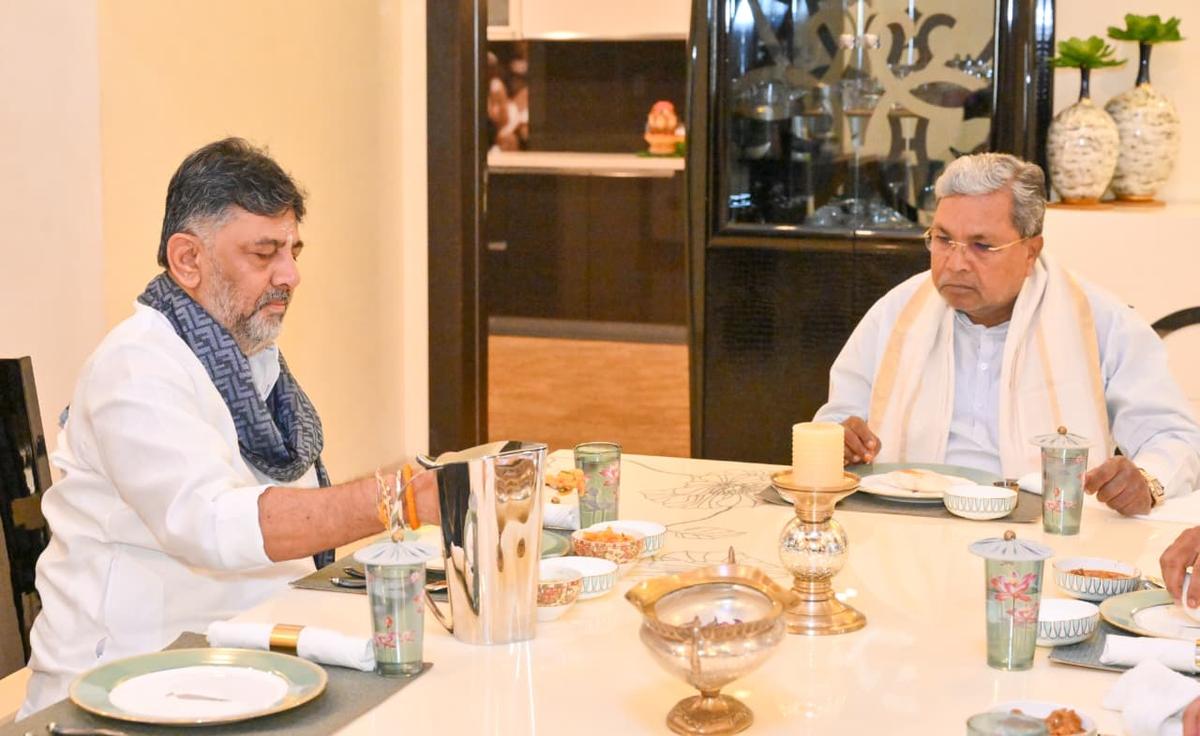
Why This Promise Resonates: Political Context and Leadership Stakes
The ruling party in Karnataka has, over recent years, witnessed internal changes, leadership ambitions, and occasional friction. The Chief Minister and his deputy have often been at the centre of speculation — sometimes as co-leaders, other times as rivals. Their working relationship has drawn scrutiny: some view it as an uneasy alliance held together for electoral convenience; others believe it reflects genuine camaraderie and strategic balance.
This public commitment — to remain “brothers” and fight the 2028 elections together — carries significance on multiple levels. First, it offers reassurance to grassroots party workers who may fear instability or leadership change. Stability in top leadership often correlates with clearer organizational functioning, smoother candidate selection, and stronger electoral planning. In a state as diverse and politically dynamic as Karnataka, this can make a real difference at the ground level.
Second, the promise addresses potential aspirations of other ambitious leaders within the party. By signalling a long-term duo’s unity, the leadership seeks to reduce factional strife, discourage open contestation, and send the message that senior positions are accounted for. This could help prevent power struggles that might otherwise surface as the election draws closer.
Third, for voters and the public, the statement offers a semblance of continuity and predictability. Elections often bring uncertainty — about policies, leadership, and governance. By declaring a shared front early, the leadership aims to project confidence, stability, and a sense of direction. This may help in preserving voter trust, especially among those who value consistency in governance over episodic leadership changes.
Yet, the stakes are high. Electoral cycles tend to amplify divisions, test loyalties, and provoke new ambitions. Over eight years — the period between now and 2028 — many variables can shift: public sentiment, party dynamics, regional issues, emerging leaders, caste and community equations, and alliances. The initial promise may be tested by these evolving dynamics.
Sustaining Unity: Challenges, Pressures, and the Road Ahead
Maintaining unity over a long period — especially in a political environment subject to constant change — is a formidable challenge. Several factors could strain the bond between the Chief Minister and his deputy, or test the cohesion of their shared front.
Firstly, internal party ambitions are inevitable. Senior and mid-level leaders may begin positioning themselves for greater prominence, especially as 2028 approaches. Leadership succession, candidate selection, regional representation, caste and local equations — all these are arenas where hidden contestation could surface. The declared unity may at that point come under pressure.
Secondly, governance challenges and public expectations can test the leadership’s resolve. Policies, administrative decisions, law and order, economic outcomes, public welfare, and crisis management influence public confidence. If governance falters or public discontent rises, it can amplify demands for change, potentially prompting calls for fresh leadership or reshuffling. In that scenario, even a personal bond may not suffice to hold the front together.
Thirdly, external political pressures — from opposition parties, coalition dynamics, national-level politics, or electoral calculations — could impact allegiances. Alliances may shift; political priorities may evolve. New entrants or returning political players might seek to disrupt the existing equation. In such a fluid environment, pledged commitments risk being challenged or renegotiated.
Fourthly, personal ambitions and generational shifts can alter relationships. The deputy leader and other young aspirants may cultivate their own identity and public support over time. As younger leaders gain prominence, the dynamics may tilt, making the current senior-junior alignment unsustainable politically. In that eventuality, navigating balance between respect for seniority and accommodation of rising leaders becomes crucial — and delicate.
Finally, the long gap until 2028 itself presents uncertainty. Over eight years, unpredictable events — economic downturns, social upheavals, governance crises, public health emergencies, leadership fatigue — can rewrite political equations. What seems like a firm promise today may need re-evaluation in the future.
Despite these challenges, early articulation of unity offers strategic advantages. It gives time for structured planning: grooming future candidates, reaching out to regions, building consensus, resolving internal grievances, and preparing an election roadmap. If leveraged well, the period could reinforce the leadership’s core strength and minimize surprises when elections arrive.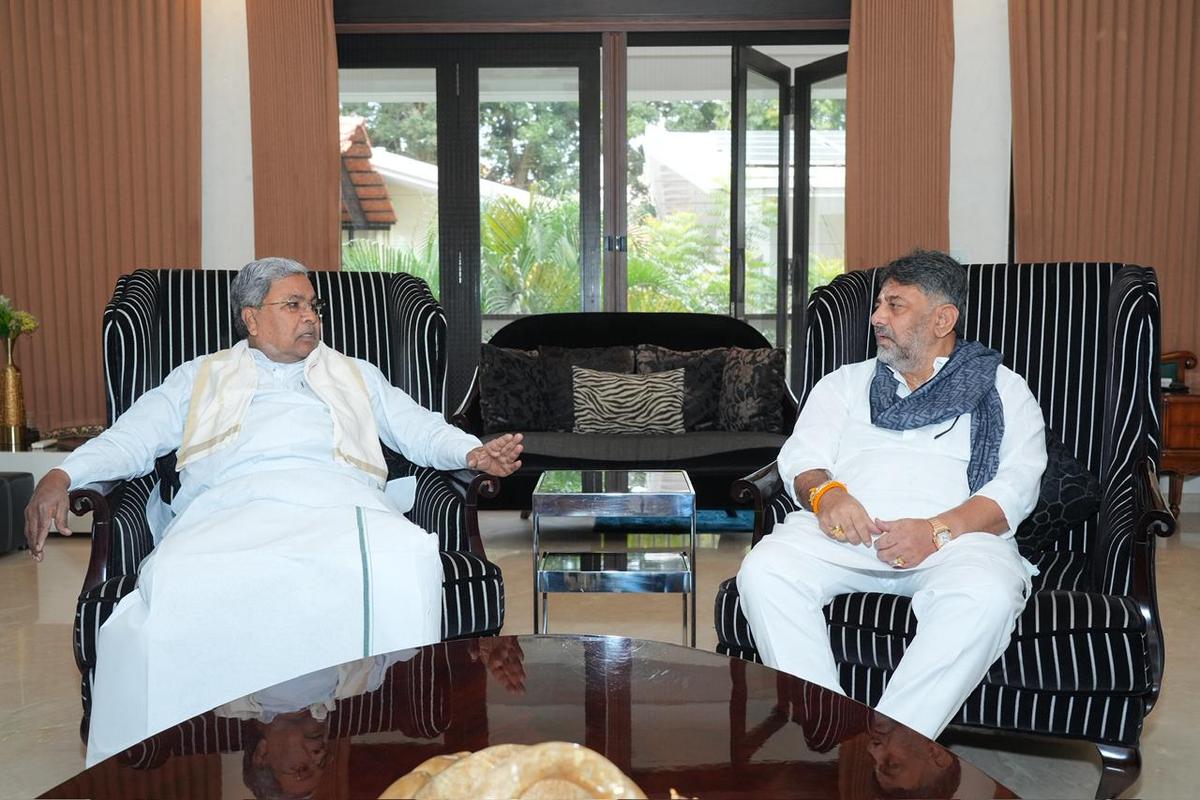
Implications for Party, Governance, and Karnataka’s Future
The Chief Minister’s assurance is not just a political statement — it could shape the future of governance and electoral politics in Karnataka.
For the party, early clarity on leadership can foster stability. It may discourage factionalism, reduce internal rivalries, and focus energies on governance and outreach. A united leadership can send a message of strength, especially amid opposition critique and electoral uncertainties. It can also help streamline decision-making, maintain policy continuity, and deliver administrative efficiency without disruption.
For governance, stable leadership often translates to consistency in policy implementation. Long-term plans in development, welfare, infrastructure, education, health, social justice — all benefit when leadership remains unchanged over a term. This can boost public trust, attract investment, and ensure better follow-through on promises. Constituencies that depend on welfare schemes might find this reassuring, as unpredictability in leadership often delays or dilutes commitments.
For the electorate, the statement offers a sense of predictability. Voters tend to respond positively when political leadership appears steady and reliable. For those who prioritize long-term governance over short-term populism or personality politics, this could be a crucial factor. A united leadership also reduces chances of instability or abrupt policy changes, which can lead to voter confidence in the system.
Yet, this also invites scrutiny. Citizens and civil-society observers may expect tangible results — not merely promises. With such a public commitment, accountability increases. Delays or failures in governance may lead to stronger backlash, especially from regions or communities feeling neglected. The leadership must match rhetoric with action to sustain public faith.
Moreover, a prolonged leadership duo can influence power distribution within the party. Aspirants vying for positions may feel sidelined, leading to dissatisfaction or internal dissent. This can undermine efforts to nurture new leadership and may stifle future political talent — particularly among younger members eager for opportunities. Balancing continuity and generational renewal will thus be a critical challenge.
Finally, the statement sets the tone for the 2028 elections well in advance — a rare strategic move. It suggests that the leadership is confident about its future, possibly anticipating tough electoral battles. It puts other stakeholders — opposition parties, regional leaders — on notice that the ruling party intends to head into the election as a united front. This could influence alliances, campaigning strategies, and voter mobilization efforts across the state.
Conclusion: A Bold Promise, A Fragile Pledge — Time Will Tell
The Chief Minister’s declaration that he and his deputy will remain brothers and contest the 2028 Assembly elections together is a bold pledge. It seeks to project unity, stability, and strategic foresight at a time of widespread speculation. For now, it offers reassurance to supporters, party workers, and voters — signalling that the top leadership remains cohesive and committed.
But politics, with its shifting alliances, evolving ambitions, and unpredictable pressures, is an arena where even the strongest bonds are tested. Over the next years, leadership demands, administrative burdens, public expectations, and internal ambitions will pose challenges. The success of this promise will depend not only on personal goodwill, but on leadership discipline, political maturity, inclusive governance, and ability to manage diverse interests.
For citizens of Karnataka, the statement adds clarity to what could otherwise be murky political speculation. It offers a stable image of governance going into the future. Yet, as the years progress, they will watch not just the words — but the deeds. The pledge may hold; or it may quietly fade if tested by ambition, pressure, or changing circumstances. Either way, this moment stands as a significant marker — a turning point that could shape the state’s political narrative till 2028.
Whether it is remembered as a symbol of unity or as a footnote in political manoeuvring will depend on what the leadership does between now and the election. Until then, the promise — and its fragile hope — remains.
Follow: Karnataka Government
Also read: Home | Channel 6 Network – Latest News, Breaking Updates: Politics, Business, Tech & More
