
The political and legal landscape in Karnataka witnessed a significant development after a special court issued notices to Congress leaders Priyank Kharge, Dinesh Gundu Rao, and MLA Nalapad in connection with a defamation complaint filed by a member of the Rashtriya Swayamsevak Sangh (RSS). The order has intensified an already charged political atmosphere, placing the spotlight on the growing confrontation between the ruling Congress and the ideological organisation closely associated with the BJP.
Senior advocates observing the case said that its outcome could influence how political speech is framed in the future, particularly when remarks concern organisations that are not electoral entities but play an ideological role in public life. They noted that courts may be compelled to further clarify where criticism of ideology ends and actionable defamation begins. Such clarification, legal experts said, would be significant for legislators, activists, and public commentators who frequently engage in sharp political critique.
Meanwhile, the development has renewed debate within political circles on the strategic use of defamation law. Critics argue that repeated resort to legal complaints risks shifting political contestation from public platforms to courtrooms, potentially chilling robust debate. Supporters, however, insist that legal recourse is necessary to check irresponsible rhetoric. As the case proceeds, it is expected to remain a reference point in Karnataka’s evolving discourse on political accountability and freedom of expression.
The complaint, which alleges defamatory remarks made against the RSS, has triggered sharp reactions across party lines, with the Congress terming the case politically motivated and the BJP asserting that the law must take its course. The special court’s decision to issue notices has elevated the matter from political rhetoric to judicial scrutiny, raising questions about freedom of speech, political accountability, and the limits of public discourse.
Background of the defamation complaint
According to sources familiar with the proceedings, the defamation complaint was filed by an RSS member who claimed that statements made by the three Congress leaders had tarnished the image of the organisation. The complainant alleged that the remarks were not only defamatory but also intended to provoke public hostility against the RSS and misrepresent its ideology and activities.
The statements in question were reportedly made during political speeches, public meetings, and media interactions, particularly in the context of recent political debates and controversies involving the RSS and the BJP. The complainant argued that such remarks went beyond political criticism and amounted to character assassination of the organisation and its members.
Taking cognisance of the complaint, the special court issued notices to Priyank Kharge, Dinesh Gundu Rao, and Nalapad, directing them to appear and respond to the allegations. The court has not expressed any opinion on the merits of the case at this stage, but the issuance of notices marks the formal initiation of judicial proceedings.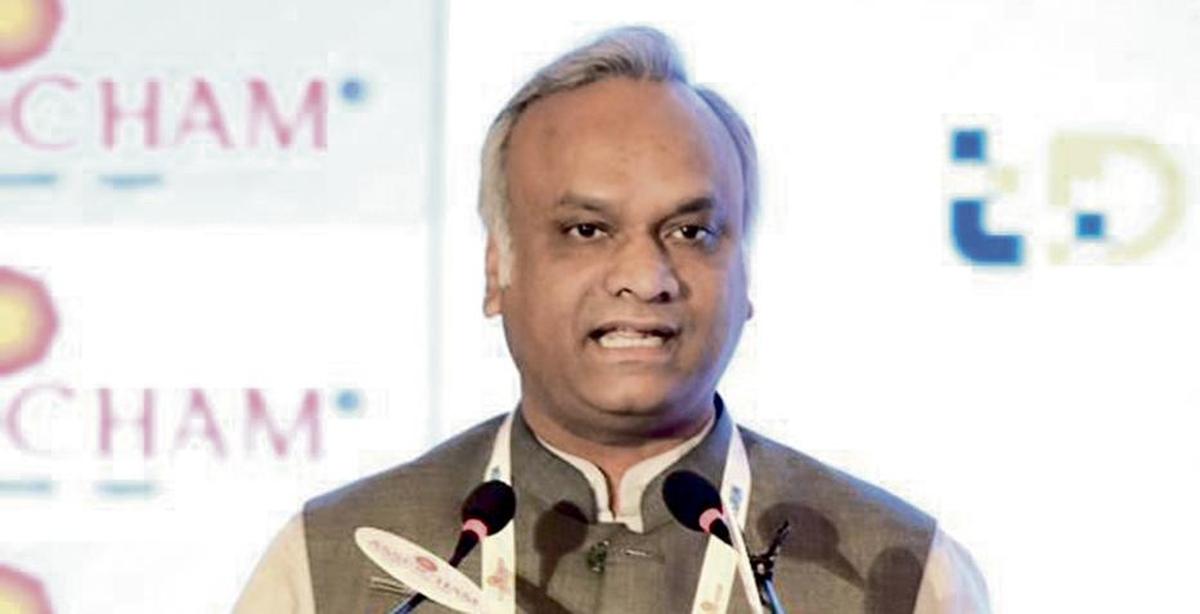
Profiles of the leaders named in the case
Priyank Kharge, a senior Congress leader and Minister in the Karnataka government, is known for his outspoken criticism of the BJP and the RSS. As the son of Congress president Mallikarjun Kharge, he has emerged as a prominent voice in the party’s ideological battles, often articulating strong views on secularism, constitutional values, and social justice.
Dinesh Gundu Rao, another senior Congress leader and former minister, has also been vocal in his criticism of the RSS, frequently questioning its role in politics and society. Known for his organisational skills and political experience, Rao has played a key role in shaping the party’s narrative in Karnataka.
Nalapad, a Congress MLA, has courted controversy in the past and is known for his aggressive political style. His inclusion in the complaint suggests that the remarks under scrutiny may have come from multiple platforms and contexts, reinforcing the complainant’s argument of a concerted attempt to defame the RSS.
Congress reaction: ‘An attempt to silence dissent’
The Congress party reacted strongly to the court’s decision, describing the defamation complaint as an attempt to intimidate and silence political opponents. Party leaders said criticism of the RSS was part of legitimate political discourse and that using defamation laws to target elected representatives set a dangerous precedent.
Senior Congress leaders maintained that their party respects the judiciary and will respond to the notices through legal channels. However, they insisted that the case reflected a broader pattern of legal action being used to suppress dissenting voices. “This is not about defamation; this is about shrinking democratic space,” a Congress spokesperson said.
Priyank Kharge, in an initial response, said that questioning the ideology and actions of any organisation was well within the rights of a democratically elected representative. He added that the Congress would contest the case legally and continue to speak on issues it believes affect the constitutional fabric of the country.
BJP and RSS response: ‘Law must take its course’
Leaders from the BJP welcomed the court’s decision, stating that no one is above the law. They argued that while political criticism is acceptable, defamatory remarks that damage reputations must be dealt with through legal means. BJP leaders accused the Congress of indulging in baseless allegations and demonising the RSS for political gain.
RSS functionaries said the organisation had been patient in the face of repeated attacks but was compelled to seek legal recourse when criticism crossed the line into defamation. They emphasised that the complaint was filed by an individual member exercising his legal rights, not by the organisation as a whole.
According to them, the case was not intended to curb free speech but to uphold accountability and ensure responsible public discourse. “Freedom of speech does not mean freedom to defame,” an RSS-affiliated leader said.
Legal perspectives on defamation and political speech
Legal experts note that defamation cases involving political speech often tread a fine line between protecting reputation and safeguarding free expression. Indian law recognises both civil and criminal defamation, and courts have repeatedly emphasised the need to balance these competing interests.
In this case, the court’s decision to issue notices indicates that it found sufficient grounds to hear the complainant. However, experts caution that issuing a notice does not imply guilt and that the accused will have ample opportunity to present their defence.
Some legal scholars point out that political speech enjoys a certain degree of protection, particularly when it relates to matters of public interest. At the same time, they note that allegations presented as facts, rather than opinions, can attract defamation liability if they are found to be false and damaging.
Broader political implications in Karnataka
The case has added a new dimension to the ongoing political rivalry in Karnataka, where the Congress and the BJP are locked in a constant battle for narrative dominance. With the Congress currently in power, opposition parties have been quick to portray the ruling dispensation as disrespectful towards national organisations and institutions.
For the Congress, the notices come at a time when it is attempting to project itself as a defender of constitutional values and free speech. Party leaders fear that prolonged legal battles could divert attention from governance and development issues, while also being used by opponents to question their conduct.
Political analysts say the case could further polarise public opinion, particularly if it becomes a recurring theme in political campaigns and debates. They warn that excessive reliance on legal action to settle political disagreements risks undermining democratic norms.
Previous instances and patterns
This is not the first time political leaders in Karnataka have faced defamation complaints over remarks made against ideological organisations or rival parties. In recent years, several cases have been filed across the country, reflecting an increasing tendency to seek judicial intervention in political disputes.
Observers note that such cases often take years to conclude, during which they continue to shape political narratives. While some are dismissed at preliminary stages, others proceed to trial, depending on the nature of the statements and the evidence presented.
The current case, involving three prominent Congress leaders, is likely to draw sustained attention, particularly given the high-profile nature of those named and the sensitive ideological issues involved.
What lies ahead
The special court is expected to hear the responses of Priyank Kharge, Dinesh Gundu Rao, and Nalapad in the coming weeks. Their legal teams are likely to argue that the statements in question fall within the ambit of political criticism and do not constitute defamation under the law.
Depending on the court’s assessment, the case could either be dismissed at an early stage or proceed to a more detailed examination of evidence and testimony. Either outcome will have implications not just for the individuals involved but also for the broader debate on free speech and political accountability.
Conclusion
The issuance of notices to Priyank Kharge, Dinesh Gundu Rao, and Nalapad by a special court in a defamation complaint filed by an RSS member marks a critical moment in Karnataka’s political discourse. As the matter moves into the legal arena, it underscores the increasingly complex intersection of politics, ideology, and law.
While the Congress views the case as an attempt to muzzle dissent, the BJP and RSS argue it is a necessary step to uphold accountability. Ultimately, the court’s handling of the case will be closely watched, not only for its legal outcome but also for what it signals about the boundaries of political speech in a vibrant but deeply polarised democracy.
Follow: Karnataka Government
Also read: Home | Channel 6 Network – Latest News, Breaking Updates: Politics, Business, Tech & More
