
Student Has Taken Wearable Tech Beyond Traditional Fashion Thinking
Student has taken wearable tech innovation to an unexpected space by designing a smart garment that uses biometric security instead of regular fastenings. A student in Japan has created a bra that unlocks only through a registered fingerprint, replacing traditional hooks with technology-based access. This invention has drawn global attention for combining personal privacy with wearable design in a practical yet unconventional way.
The concept is simple but powerful. The garment remains locked unless a specific fingerprint is recognized, making it accessible only to an authorized person. This approach turns clothing into a secure personal item, reflecting how technology is increasingly shaping even the most private areas of daily life. The idea challenges long-standing views of fashion as purely aesthetic and positions it as a tool for control and protection.
While the design may seem unusual at first, it represents a growing trend where wearables are no longer limited to fitness tracking or health monitoring.
Student Has Taken Wearable Tech and Applied It to Personal Security
The smart bra works using a biometric sensor integrated into the fastening area. Instead of metal hooks or elastic clips, the system scans a fingerprint and unlocks only when the correct biometric data is detected. This ensures that the garment cannot be opened without consent, adding a new layer of personal security.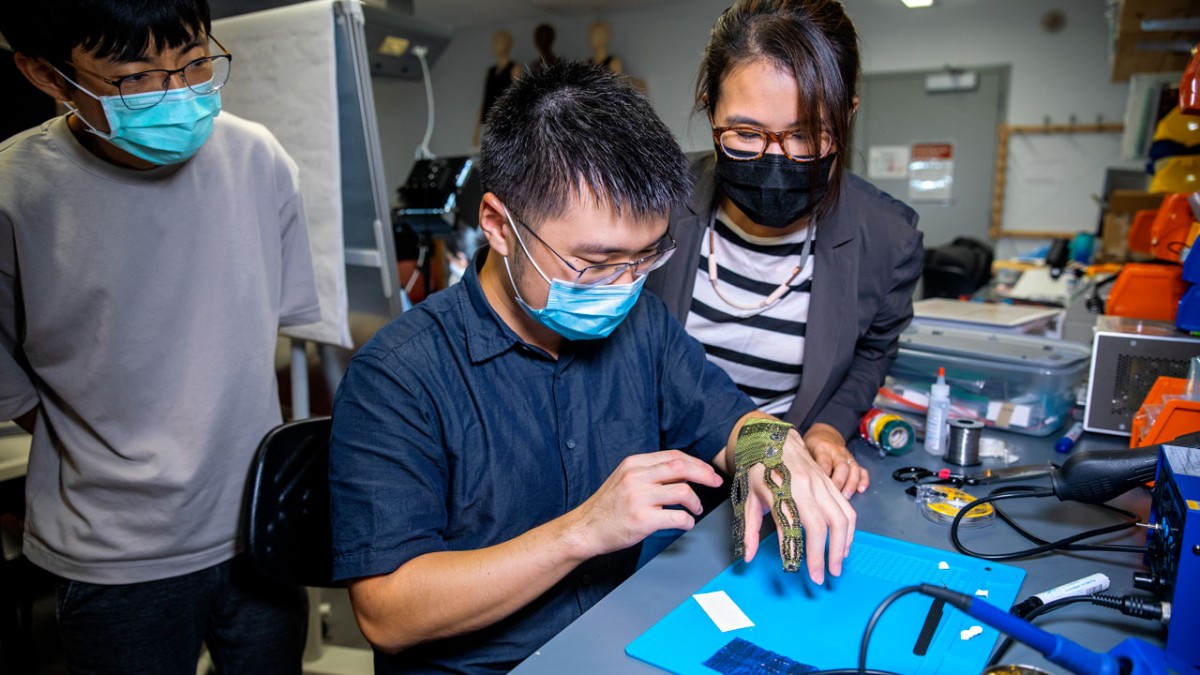
The student behind the project aimed to explore how trust, consent, and technology intersect. Rather than focusing only on fashion, the design reflects emotional and relational boundaries. It introduces the idea that clothing can actively protect personal space rather than passively covering the body.
This innovation has sparked discussions about privacy in relationships and how technology can be used responsibly. Supporters view it as a creative solution for personal safety, while critics raise questions about dependency on technology and emotional implications. Regardless of opinion, the project has successfully pushed conversations forward.
Student Has Taken Wearable Tech Into Public Discussion Through Viral Attention
After images and demonstrations of the invention appeared online, the concept quickly gained attention across social platforms. Many praised the creativity and technical skill involved, especially considering it was developed as a student project. The design stood out not because of luxury or branding, but because of its message and functionality.
Experts note that wearable technology is moving toward deeper personalization. Fingerprint locks are already used in smartphones, laptops, and home security systems. Applying the same idea to clothing may feel surprising, but it follows the same logic of user-specific access.
This reaction shows that people are increasingly open to experimenting with how technology fits into daily routines. What once seemed unrealistic is now being discussed as a potential direction for future fashion.
Student Has Taken Wearable Tech Toward a Smarter Fashion Future
The project also raises questions about where fashion technology is headed. As biometric tools become smaller and more affordable, similar systems could be used in accessories, bags, or even uniforms. Clothing may soon adapt to individual needs, responding to identity, comfort, and safety.
Fashion designers and technologists are already exploring smart fabrics, temperature control, and health monitoring. Adding security-based features could be the next step. This invention highlights how young innovators are shaping these changes, often without commercial pressure. Also Read: Tiffany Young and actor Byun Yo Han Signal a Serious Relationship Moving Toward Marriage in 2026
The student’s work proves that innovation does not always come from large companies. Sometimes, new ideas emerge from curiosity and experimentation, reshaping how people think about everyday objects.
Conclusion:
Student has taken wearable tech into a bold new space by merging fashion with biometric security. While opinions may differ, the invention reflects a future where clothing is not just worn but designed to protect, personalize, and respond to its wearer. As technology continues to evolve, fashion may become smarter, more secure, and deeply personal.
