
The Supreme Court on Tuesday fixed June 30 as the outer deadline for conducting elections to the Bruhat Bengaluru Mahanagara Palike (BBMP), bringing renewed momentum to a long-stalled democratic process in India’s technology capital. The direction comes amid growing concern over the prolonged absence of an elected civic body in Bengaluru, which has been under administrative control for several years. The apex court’s intervention is being seen as a decisive move to restore local self-governance and accountability in a city grappling with rapid urbanisation and mounting civic challenges.
Constitutional Mandate and Judicial Emphasis
The Supreme Court’s order fixing June 30 as the deadline for Bengaluru civic polls strongly reiterates the constitutional mandate under Articles 243U and 243ZA, which require municipalities to have elected councils with a fixed tenure. The bench underlined that delays in elections undermine the very foundation of local self-governance envisioned in the Constitution. It observed that administrative convenience or political indecision cannot override citizens’ democratic rights. By stepping in, the court reinforced the principle that urban local bodies are not optional extensions of the State government but constitutionally protected institutions that must function through elected representatives.
Prolonged Vacuum in Urban Governance
Bengaluru has functioned without an elected municipal council for years, creating a governance vacuum at the grassroots level. In the absence of councillors, ward committees have remained largely ineffective, weakening citizen participation in civic decision-making. Residents’ welfare associations and activists have repeatedly pointed out that bureaucratic administration, while efficient on paper, lacks responsiveness to local issues. The Supreme Court’s intervention acknowledges this prolonged democratic deficit and seeks to ensure that the city’s rapidly growing population regains a direct voice in shaping civic priorities.
State Government’s Stand and Assurances
The Karnataka government informed the court that it is committed to conducting BBMP elections and would adhere to the June 30 deadline. Officials argued that delays were caused by structural reforms, including ward reorganisation and reservation adjustments, intended to improve representation. However, the court made it clear that such reforms cannot be an excuse for indefinite postponement. The State has now been placed under judicial scrutiny, with its assurances expected to translate into swift administrative action over the coming months.
Role of the State Election Commission
The State Election Commission will play a pivotal role in meeting the court-imposed timeline. It must finalise ward boundaries, update electoral rolls, and issue election notifications in a compressed timeframe. Past delays have often stemmed from disputes over reservations for Scheduled Castes, Scheduled Tribes, and Other Backward Classes. The commission is expected to work closely with the government to minimise litigation risks and ensure that procedural clarity is achieved well before the deadline set by the Supreme Court.
Political Implications and Party Responses
The Supreme Court’s order has significant political implications, especially in a city that plays a major role in Karnataka’s electoral landscape. Opposition parties have hailed the deadline as a victory for democracy, alleging that the ruling government delayed polls to avoid electoral scrutiny. The ruling party, meanwhile, has emphasised administrative preparedness rather than political considerations. With elections now inevitable, parties are likely to intensify organisational activities, candidate selection, and issue-based campaigns across Bengaluru’s wards.
Civic Challenges Awaiting Elected Council
Once elections are held, the newly elected BBMP council will face an array of pressing civic challenges. These include chronic traffic congestion, frequent flooding, deteriorating roads, waste management failures, and concerns over urban planning. Experts argue that an elected council can better prioritise ward-level issues and push for accountability in service delivery. The Supreme Court’s deadline thus not only restores democratic governance but also sets the stage for more participatory and responsive urban administration.
Citizens’ Groups and Civil Society Reactions
Civil society organisations and citizen groups have welcomed the Supreme Court’s directive, calling it a long-overdue step. Many groups had approached the judiciary after repeated representations to the government failed to yield results. They argue that elected councillors serve as an essential bridge between citizens and administrators. The court’s order has renewed hope among residents that their everyday grievances, from drainage problems to zoning violations, will receive greater attention through accountable local leadership.
Precedent for Other Urban Bodies
Legal observers note that the Supreme Court’s firm deadline could have wider implications beyond Bengaluru. Several urban local bodies across the country have seen delayed elections due to administrative or political reasons. This ruling sends a clear message that constitutional timelines cannot be ignored indefinitely. It may encourage citizens in other cities to seek judicial intervention if civic polls are delayed, strengthening democratic norms at the municipal level nationwide.
Countdown to June 30 and Way Forward
With June 30 set as the outer limit, the coming weeks will be crucial for Bengaluru’s civic future. Administrative efficiency, political will, and legal compliance will determine whether the deadline is met without further controversy. The Supreme Court’s order has effectively started a countdown, leaving little room for delay. For the city’s residents, the prospect of electing their local representatives once again marks an important step toward restoring democratic accountability and participatory urban governance.
/newsfirstprime/media/media_files/2026/01/12/gba-elections-bengaluru-2026-01-12-13-09-23.jpg)
Bengaluru has not had municipal elections since the expiry of the previous BBMP council’s term, resulting in governance being managed by bureaucrats and administrators. Petitioners before the court argued that this prolonged delay violated constitutional provisions that mandate timely elections to urban local bodies. The Supreme Court, while hearing the matter, observed that democratic decentralisation cannot be kept in abeyance indefinitely and stressed that citizens have a constitutional right to be governed by elected representatives at the local level.
During the hearing, the court took note of repeated extensions and administrative reasons cited by the Karnataka government for postponing the polls. These included ward delimitation exercises, reservation issues, and changes in the structure of the municipal corporation. While acknowledging that some administrative processes were necessary, the bench made it clear that such reasons could not justify an open-ended delay. The court’s order effectively puts a time-bound framework in place, compelling the State Election Commission and the State government to complete all preparatory steps before the June 30 deadline.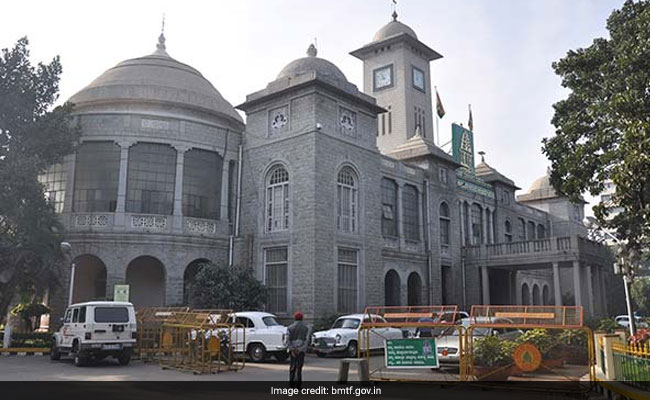
Legal experts point out that the Supreme Court’s directive reinforces the spirit of the 74th Constitutional Amendment, which aims to strengthen urban local bodies by ensuring regular elections and greater autonomy. By setting a firm deadline, the court has curtailed the scope for further postponements and sent a strong message on the importance of grassroots democracy. Constitutional scholars say the ruling could serve as a precedent for other cities where civic polls have been delayed due to administrative or political reasons.
The absence of an elected BBMP council has been a contentious issue among residents, civil society groups, and opposition parties. Critics argue that bureaucratic governance lacks public accountability and limits citizen participation in decision-making. Issues such as poor road conditions, waste management failures, flooding during monsoons, and unregulated construction have often been cited as examples of governance gaps that could have been addressed more effectively by an elected body answerable to voters.
Political reactions to the Supreme Court’s order were swift. Opposition parties welcomed the deadline, accusing the ruling dispensation of deliberately delaying elections to retain control through appointed administrators. They argued that the lack of elected representatives weakened checks and balances in civic administration. On the other hand, the State government maintained that it was committed to holding elections and would comply with the court’s directions, stating that ongoing administrative reforms were aimed at improving governance outcomes in the long term.
The State Election Commission is now expected to expedite processes related to ward delimitation, voter list revisions, and reservation notifications. Officials indicated that logistical preparations would be intensified to meet the court-mandated timeline. However, challenges remain, particularly in ensuring clarity on the number of wards, reservation categories, and compliance with legal requirements, all of which have been sources of litigation in the past.
Urban governance experts believe that timely civic polls could play a crucial role in addressing Bengaluru’s complex problems. With a population exceeding one crore and infrastructure struggling to keep pace, the city requires responsive and participatory governance. Elected councillors, they argue, are better positioned to articulate local concerns, facilitate community engagement, and push for ward-level solutions that bureaucratic systems often overlook.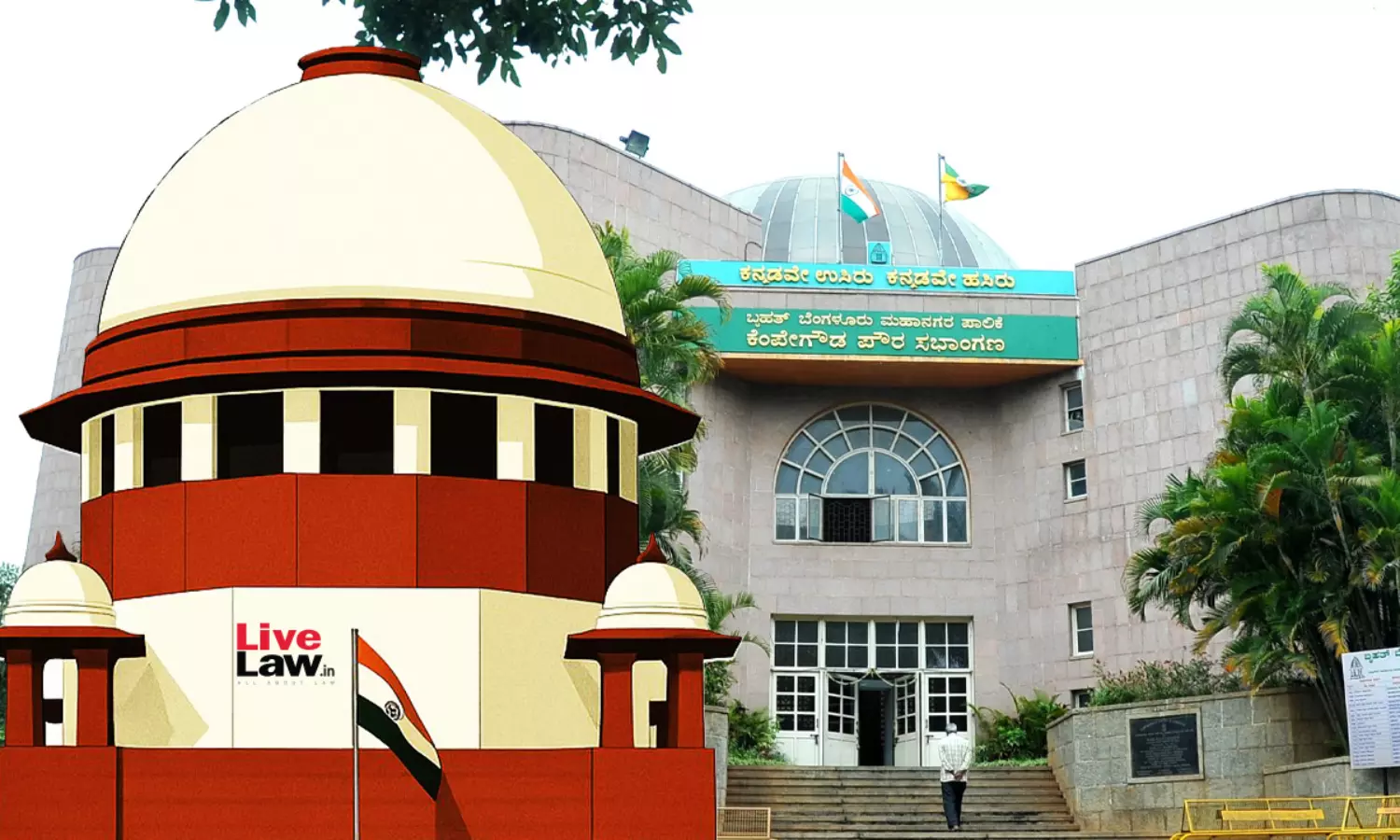
The Supreme Court’s intervention also highlights the judiciary’s increasing role in safeguarding democratic processes at the local level. While courts have traditionally been cautious about entering the political domain, repeated delays in civic elections have prompted judicial scrutiny. Observers note that the order reflects a balance between respecting administrative processes and upholding constitutional mandates.
As the June 30 deadline approaches, attention will remain focused on how effectively the State government and the Election Commission act on the court’s directive. Any further delays or ambiguities could invite additional judicial intervention. For Bengaluru’s residents, the ruling offers hope that their long wait for an elected civic body may finally be nearing an end, restoring a vital democratic link between the city’s administration and its citizens.
Follow: Karnataka Government
Also read: Home | Channel 6 Network – Latest News, Breaking Updates: Politics, Business, Tech & More
