
Swiggy Instamart has opened its first experiential store in Gurugram
Swiggy Instamart has opened its first mini experiential store in Gurugram, marking a noticeable change in how quick commerce platforms are experimenting with physical formats. Until now, Instamart was known mainly for its dark store model, where products are stored and delivered quickly without customer interaction. This new store takes a different approach by allowing customers to see and feel select products before buying them through the app.
The store is not designed to replace Instamart’s existing delivery system. Instead, it works as an extension of the digital platform, offering customers a chance to physically experience certain items that are usually ordered online. This move reflects how consumer expectations are slowly changing, especially in urban areas where people want both speed and assurance before making a purchase.
Unlike regular retail outlets, this experiential store carries a limited selection of products. Only around 100 to 200 items are displayed, focusing on commonly used and high-interest categories. This is much smaller when compared to Instamart’s dark stores, which usually hold thousands of products. The goal here is not variety, but experience.
Swiggy Instamart has opened a seller-led model to test offline engagement
Swiggy Instamart has opened this store with a structure that is different from traditional retail partnerships. These mini stores are located near residential societies and are operated directly by sellers. The sellers manage the store, interact with customers, and handle the product display, while Instamart continues to support the digital ordering system.
One major change is how payments are handled. In this model, sales proceeds go directly to the sellers instead of being routed through Swiggy first. This gives sellers more control and faster access to their earnings, which could encourage more participation from local partners.
The store does not function as a walk-in shopping outlet where customers carry products home immediately. Instead, customers view and check the products in person and then place their orders through the Instamart app. The delivery still follows the quick commerce promise, keeping speed at the center of the experience.
This format also helps Instamart understand customer preferences better. By observing which products attract attention in physical form, the platform can refine its online offerings and improve product selection in nearby dark stores.
Swiggy Instamart has opened a practical response to quick commerce competition
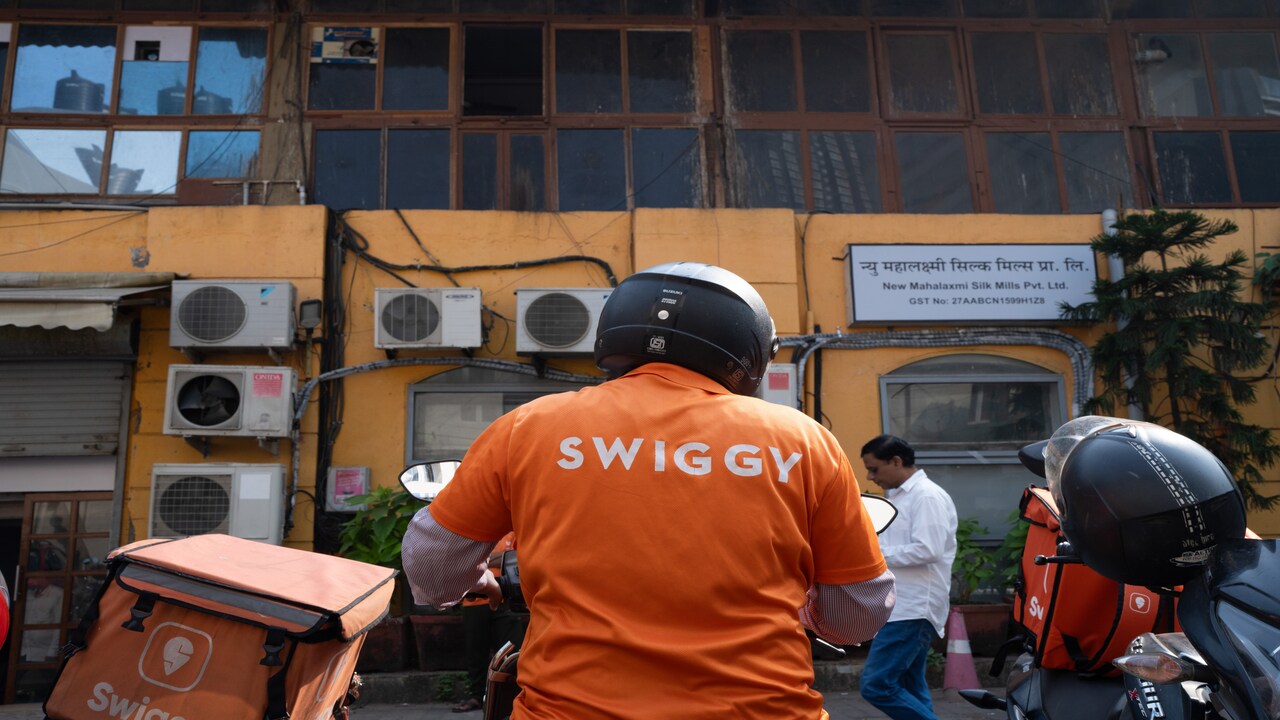
Swiggy Instamart has opened this experiential store at a time when competition in quick commerce is increasing. As multiple platforms offer similar delivery speeds, companies are looking for new ways to stand out. Physical experience, even in a limited form, adds trust and familiarity, especially for categories where customers prefer to check quality before buying.
View this post on Instagram
This store also reduces the pressure on full-scale retail expansion. Since it is small, seller-operated, and limited in inventory, the risk and cost remain controlled. It allows Swiggy to test consumer response without making large investments in traditional retail infrastructure. Also Read: 2NE1 at 26: A Debut Age That Quietly Changed K-Pop Expectations
Conclusion
Swiggy Instamart has opened its first experiential store as a cautious but clear step toward blending online speed with offline confidence. While it is not a full retail shift, the move shows how quick commerce is evolving to meet changing consumer habits. If successful, this model could influence how digital-first platforms think about physical presence in the future.
