
Tata Motors brings a surprising shift in the two-wheeler space
Tata Motors has stepped into the two-wheeler market with a move that caught many off guard. The company launched the Platina 125 at a price that immediately drew attention across the country. By placing the bike at ₹18,999, Tata Motors positioned it as the most affordable model in its segment, which naturally pushed commuters to take notice. The focus here is simple: a bike that cuts daily travel costs without compromising the basic features people expect.
The launch took place on November 5, 2025, and the response was clear within hours. More than 50,000 bookings came in on the first day, showing that the price point and the mileage claim connected directly with what the Indian market has been waiting for. The bike offers 90 km per litre, which is an essential requirement for buyers who depend on a vehicle every single day. The 125cc smart engine, LED lighting and CBS brakes round out the specifications, making the bike practical rather than flashy. A 5-year warranty strengthens the sense that the vehicle is built for long-term usage.
Tata Motors brings a surprising shift in the two-wheeler space

The Indian two-wheeler market is worth around ₹1.5 lakh crore, and most companies in this space usually follow the same patterns. Tata Motors entering this space introduces a new kind of competition because the brand already carries strong trust in cars, commercial vehicles and electric mobility. A low-cost bike attached to the Tata name naturally creates pressure for other manufacturers to reconsider their pricing and long-term plans. Analysts believe this shift has the potential to reshape basic commuting options, especially for middle-income and working-class families.
Tata Motors introduces a low-cost model that changes expectations

The company’s approach becomes clearer when looking at what it plans to do next. Along with this petrol model, Tata Motors is preparing a CNG variant that could reduce running costs even further. The company is also working on electric bikes, set to arrive by 2027. These steps reflect a strategy aimed at broader mobility access, not just market expansion. For a country where fuel prices impact household budgets, offering multiple energy options is a practical direction.
Tata Motors expands its plans for wider mobility
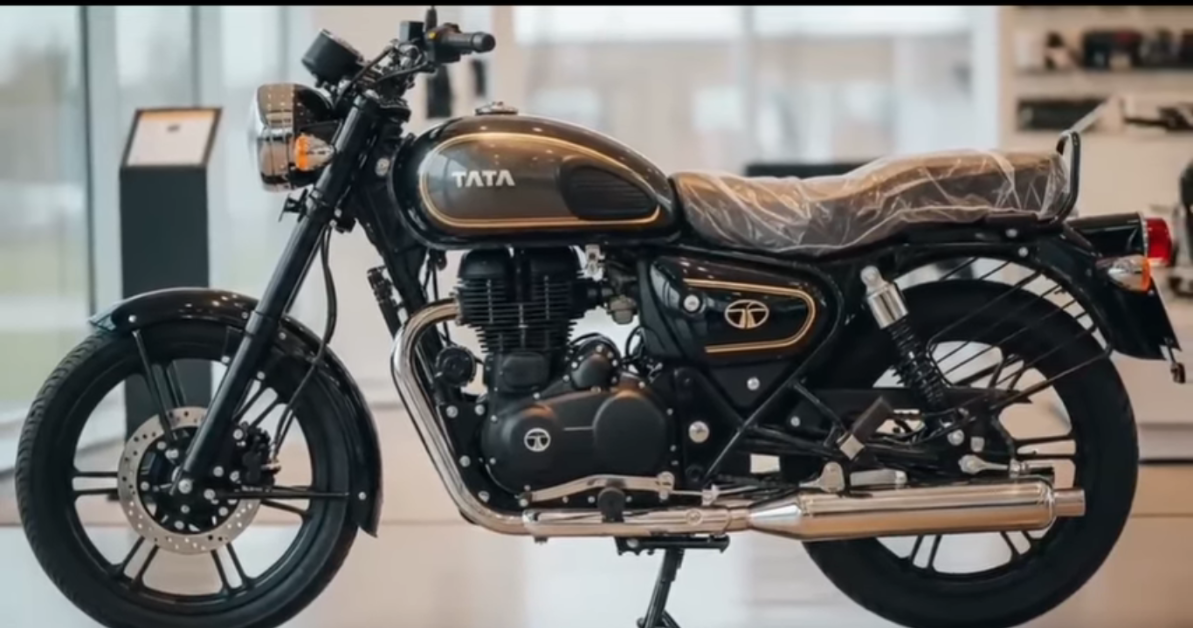
The focus on affordability does not mean the company intends to cut corners. Instead, Tata Motors is trying to create a segment that has long remained untouched extremely budget-friendly two-wheelers with dependable performance. The demand seen on the first day of bookings indicates that the approach aligns with real needs instead of marketing trends. The timing is also notable, as more people are looking for cost-efficient transport options due to rising urban travel and workplace distances.
Tata Motors sets the ground for future fuel options
The upcoming models in CNG and electric formats show that the company is investing early in segments that will eventually grow.
View this post on Instagram
If the new bike performs consistently on the road and the price advantage remains stable, Tata Motors could become a strong competitor in areas previously dominated by other brands. The move also signals that the company is thinking beyond cars and aiming to build a mobility ecosystem that covers different price ranges and different user needs. Also Read: Archana daughter brings attention after buying her first car at 18 with steady progress
Conclusion: Tata Motors has made a strong entry with a bike that prioritizes cost, mileage and practicality. If the company maintains the same direction in upcoming models, its presence in the two-wheeler market will only grow stronger.
