
The Bharatiya Janata Party’s central leadership has indicated a preference for contesting upcoming local body elections through coalitions, a move that has sparked intense internal debate within the party. The strategy, driven largely by concerns over protecting cadre interests and retaining grassroots influence, reflects the complex political calculations shaping the BJP’s approach to municipal and panchayat-level contests. While alliances are often viewed as pragmatic tools to secure power, they also carry risks of alienating loyal workers who have built the party’s presence on the ground. The emerging discussion reveals a party attempting to reconcile electoral arithmetic with organisational morale at a crucial juncture.
The issue has also exposed generational differences within the party’s organisational structure. Senior leaders who have witnessed multiple electoral cycles tend to prioritise winnability and administrative control, often viewing alliances as necessary adaptations to changing political realities. Younger cadres, however, see local body elections as their first real entry point into active politics and leadership. For them, coalition politics can appear as an obstacle rather than an opportunity. This generational tension has added another layer to the debate, with youth wing leaders urging the high command to protect spaces where new leaders can emerge organically.
Another concern repeatedly raised by district-level functionaries relates to governance after elections. In coalition-run local bodies, decision-making authority is often shared or contested, leading to delays and internal conflict. BJP cadres fear that even when the party is part of the ruling arrangement, credit for development work may not flow clearly to them. This ambiguity, they argue, weakens their ability to connect with voters and build political capital. Several workers have pointed out that clear party control at the local level has historically helped the BJP showcase efficiency and discipline, qualities that distinguish it from rivals.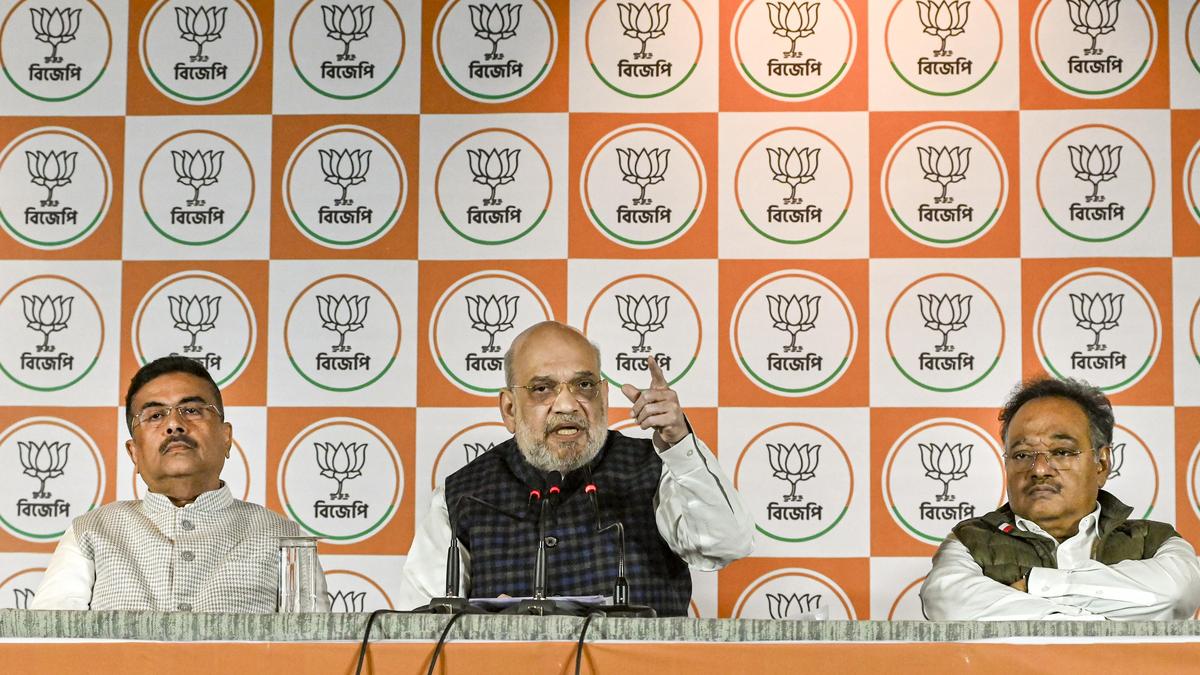
Political analysts note that the coalition preference may also reflect defensive calculations rather than expansionist ambition. In regions where anti-incumbency or social coalitions pose challenges, alliances are seen as a way to minimise losses rather than maximise gains. This shift in posture has prompted introspection within the party about its current standing at the grassroots. While the BJP continues to command significant support, the reliance on coalitions suggests acknowledgment of evolving voter behaviour and stronger local opposition networks. How the party responds to this reality will shape its adaptability in the long run.
As the party moves closer to finalising its strategy, communication with cadres will be critical. Several leaders have emphasised the need for the central leadership to clearly articulate the rationale behind alliances and reassure workers of their continued relevance. Without such clarity, even a successful electoral outcome could leave behind organisational dissatisfaction. The coming weeks are likely to see intense consultations between central and state units as the BJP attempts to align electoral strategy with cadre confidence. The resolution of this internal debate will serve as a key indicator of how the party balances power, principle, and people at the grassroots level.
According to senior party functionaries, the inclination towards coalitions is rooted in the changing dynamics of local politics, where fragmented mandates and strong regional players often determine outcomes. Central leaders believe that alliances could prevent vote splitting and ensure a greater share of seats, particularly in competitive urban and semi-urban bodies. However, this top-down assessment has been met with apprehension at the state and district levels. Many grassroots workers fear that coalition arrangements could sideline long-standing cadres, dilute the party’s ideological identity, and create confusion among voters accustomed to clear party lines.
The concern over cadre interests has emerged as a central theme in internal discussions. Local body elections, unlike parliamentary or assembly polls, rely heavily on booth-level mobilisation and personal networks cultivated over years. Party workers argue that alliances often result in seat-sharing compromises that deny tickets to loyal activists in favour of coalition partners. This, they warn, can demotivate cadres who see local elections as their primary opportunity for political growth. The central leadership, however, maintains that safeguarding long-term influence sometimes requires short-term adjustments, especially in regions where winning independently may prove challenging.
The debate has gained urgency as preparations for local body polls intensify across several states. These elections are widely seen as a litmus test of organisational strength and public mood ahead of larger electoral battles. For the BJP, which has built its national dominance on a strong grassroots network, the stakes are particularly high. Any perception of neglecting cadre interests could have ripple effects beyond local elections, potentially impacting mobilisation and unity in future contests. This has forced the leadership to tread carefully, balancing electoral pragmatism with organisational cohesion.
Coalition Arithmetic Versus Grassroots Sentiment
The BJP’s growing openness to coalitions in local body polls reflects a broader shift in its electoral strategy. In regions where multi-cornered contests have become the norm, central leaders argue that alliances are essential to counter strong opposition combinations. They point to past instances where vote fragmentation led to unexpected defeats, despite the party enjoying significant popular support. By aligning with smaller parties or influential local groups, the BJP hopes to consolidate votes and maintain control over key municipal and panchayat institutions.
However, grassroots leaders caution that local elections operate on a different logic from state or national polls. Personal reputation, community ties, and local issues often outweigh party branding. In such contexts, alliances can complicate candidate selection and messaging. Party workers fear that accommodating coalition partners may force the BJP to compromise on candidate quality or ideology, weakening its local credibility. They also worry that coalition partners may not share the same level of commitment to organisational discipline, leading to friction during campaigns and governance.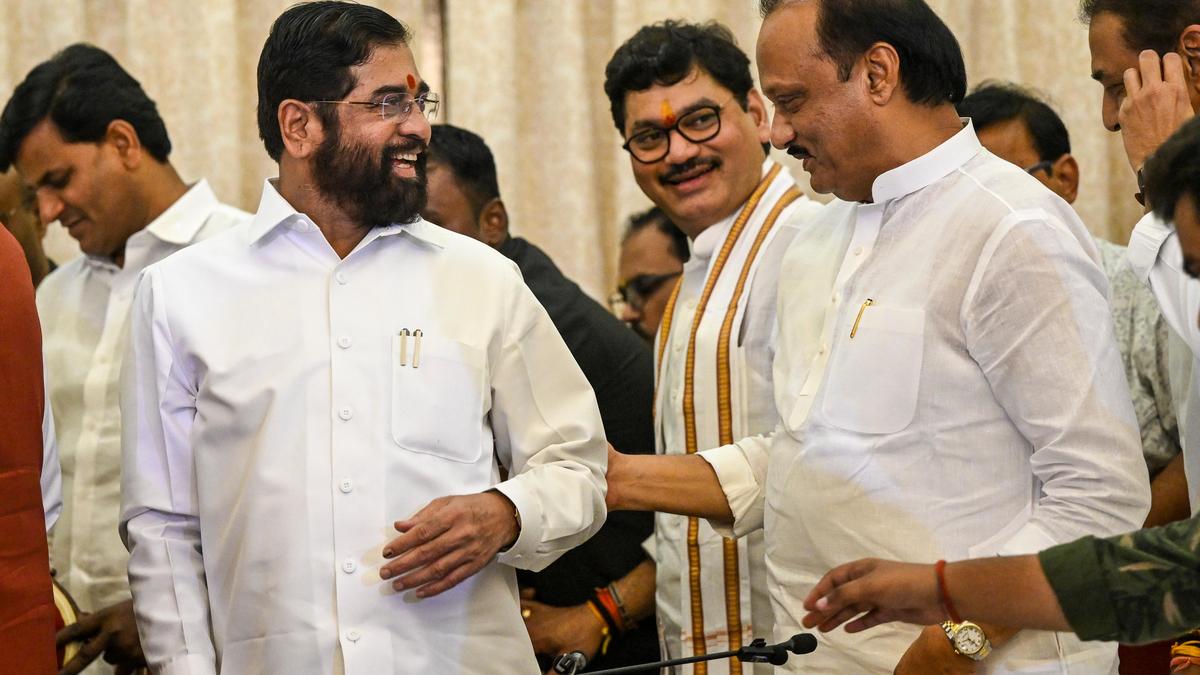
Another major concern relates to ticket distribution. Local body elections offer thousands of positions across wards and panchayats, making them a critical avenue for nurturing future leadership. Cadres argue that denying tickets to loyal workers in favour of alliance candidates could disrupt this leadership pipeline. Several state-level leaders have reportedly conveyed these concerns to the central leadership, urging it to consider the long-term organisational cost of alliances. They emphasise that local elections are not just about winning seats but about sustaining a motivated and expanding cadre base.
Central leaders, on the other hand, contend that protecting cadre interests does not necessarily mean contesting every seat independently. They argue that strategic alliances can actually enhance opportunities by ensuring the party remains in power and can influence local governance. According to this view, being part of ruling coalitions allows BJP cadres to retain access to resources, visibility, and administrative leverage, even if some seats are conceded. This perspective frames coalitions as instruments of survival and influence rather than ideological compromise.
The divergence between central strategy and grassroots sentiment has highlighted internal communication challenges. While top leaders focus on macro-level electoral trends, local workers emphasise micro-level realities. Bridging this gap requires nuanced decision-making that accounts for regional variations. Party insiders suggest that the leadership is exploring flexible models, where alliances are considered selectively based on local conditions rather than imposed uniformly. Such an approach, they believe, could mitigate discontent while preserving strategic advantages.
Organisational Stakes and Future Implications
The coalition debate has broader implications for the BJP’s organisational health. Local body institutions serve as training grounds for party workers, offering experience in governance and public engagement. Any strategy that disrupts this ecosystem risks weakening the party’s long-term foundation. Cadres argue that morale and loyalty are sustained when workers see a clear pathway for advancement. If alliances are perceived as blocking this path, it could lead to disengagement or internal dissent, particularly among younger activists.
Political observers note that the BJP’s rise has been closely tied to its ability to mobilise cadres with a sense of ownership and ideological purpose. Local elections play a crucial role in reinforcing this bond. The current debate, therefore, is not merely about electoral tactics but about preserving the party’s distinctive organisational culture. Analysts suggest that repeated reliance on coalitions could gradually transform the BJP from a cadre-driven party into a more conventional electoral machine, altering its internal dynamics.
At the same time, the realities of contemporary politics cannot be ignored. Urbanisation, regional parties, and shifting voter loyalties have made local elections increasingly unpredictable. Central leaders argue that refusing alliances on principle could leave the party isolated in key regions. They stress that coalition politics, if managed carefully, need not undermine cadre interests. Clear agreements, transparent ticket allocation processes, and defined roles for party workers within coalition arrangements are among the measures being discussed to address concerns.
The timing of this debate is also significant. Local body polls often set the tone for subsequent assembly elections by shaping narratives of momentum and decline. A poor performance could embolden opponents and dampen cadre morale, while a strong showing could reinforce confidence. For the BJP, which faces intensified competition in several states, the margin for error is slim. This has increased pressure on the leadership to adopt strategies that maximise winnability without fracturing the organisation.
Some state leaders have proposed hybrid models, where the BJP contests independently in areas where it has strong grassroots presence, while opting for alliances in more competitive or fragmented regions. Such an approach, they argue, respects local realities and cadre sentiments while retaining strategic flexibility. The central leadership is reportedly open to these suggestions, indicating that final decisions will likely involve consultations with state units. This iterative process reflects an attempt to balance central direction with decentralised insight.
As discussions continue, the BJP’s handling of this issue will be closely watched by both supporters and rivals. The choice between coalition arithmetic and cadre-centric politics encapsulates a broader challenge faced by large national parties operating in diverse local contexts. For the BJP, which has prided itself on organisational discipline and grassroots strength, the outcome of this debate could shape its trajectory in local governance and beyond.
In conclusion, the BJP’s preference for coalitions in local body polls underscores the complex interplay between electoral strategy and organisational integrity. While central leaders view alliances as pragmatic tools to secure power and prevent vote fragmentation, grassroots workers fear the erosion of cadre interests and identity. Navigating this tension will require careful calibration, transparent communication, and sensitivity to regional dynamics. As the party prepares for upcoming local elections, its ability to strike this balance may well determine not only immediate outcomes but also the resilience of its organisational foundation in the years ahead.
Follow: Karnataka Government
Also read: Home | Channel 6 Network – Latest News, Breaking Updates: Politics, Business, Tech & More
