
The ongoing Belagavi session of the Karnataka Legislative Assembly continues to witness thin attendance, raising concerns about legislative seriousness, accountability, and respect for parliamentary processes. Despite several important issues being listed for discussion, large sections of the treasury and Opposition benches have remained sparsely occupied, drawing criticism from presiding officers, senior legislators, and political observers alike. The recurring absence of members has once again sparked debate over priorities of elected representatives and the efficacy of Assembly sessions held away from the State capital.
From the opening days of the session, visuals of near-empty benches during Question Hour and debates on key subjects have drawn attention. While attendance tends to improve marginally during discussions involving specific departments or constituency-related matters, overall participation has remained low. Senior legislators pointed out that the Belagavi session, which is convened at considerable public expense, was intended to strengthen regional representation and decentralisation, making the lack of attendance particularly disheartening.
The presiding officers of the House have repeatedly urged members to be present during proceedings, reminding them of their constitutional responsibility. On multiple occasions, remarks were made from the Chair expressing disappointment over the poor turnout, especially during Zero Hour and discussions on public importance. These observations were echoed by members across party lines, some of whom admitted that the trend reflects a deeper malaise within legislative functioning.
Officials in the Assembly Secretariat noted that attendance records indicate a consistent pattern of absenteeism during sessions held outside Bengaluru. Logistical challenges, personal commitments, and parallel political engagements have been cited informally as reasons for low attendance. However, critics argue that such explanations undermine the very purpose of convening extended sessions in Belagavi, which was meant to bring governance closer to the northern districts of the State.
Questions Over Commitment and Legislative Effectiveness
The thin attendance has had a visible impact on the quality of debates and legislative scrutiny. With fewer members present, discussions have often lacked depth, diversity of viewpoints, and sustained engagement. Important questions raised during Question Hour have gone unanswered or received perfunctory responses due to the absence of concerned members. Observers noted that such situations weaken the oversight role of the Legislature and diminish the effectiveness of democratic deliberation.
Several legislators privately expressed frustration, stating that prepared interventions and constituency issues often fail to receive adequate attention in an under-attended House. They pointed out that meaningful debate requires active participation, counter-arguments, and follow-up questions, which are difficult to sustain when benches remain empty. Some members warned that continued absenteeism could erode public faith in the legislative institution.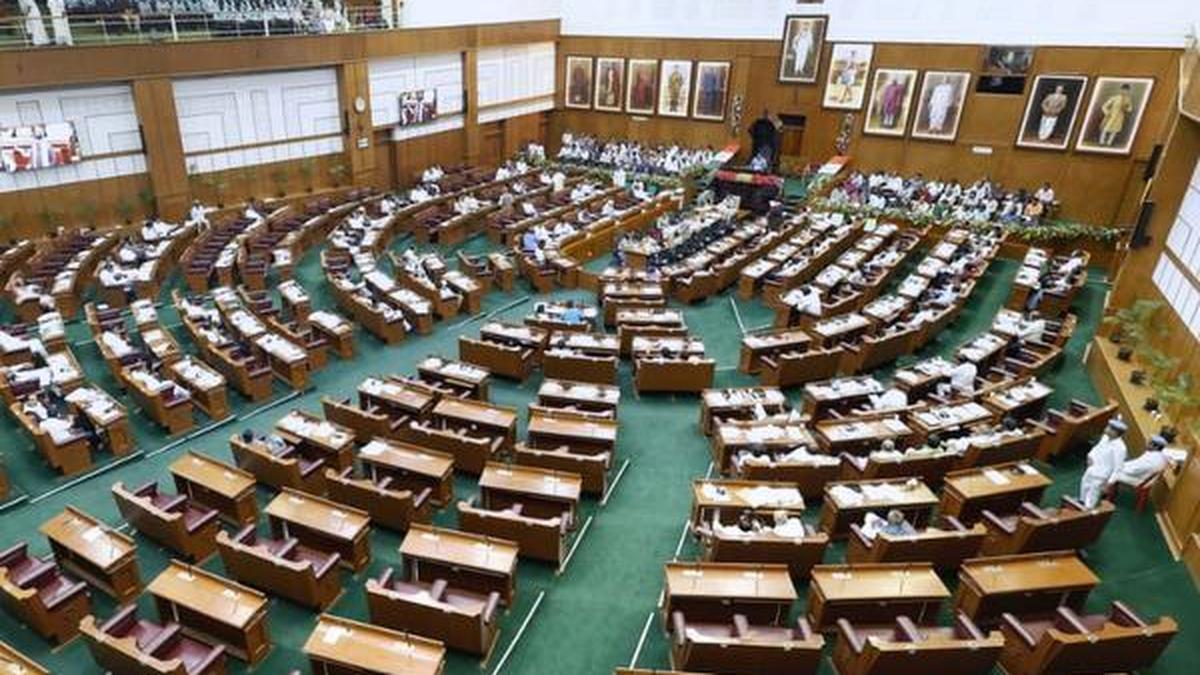
Opposition leaders used the opportunity to criticise the government, accusing it of failing to ensure discipline among its members. They argued that if the ruling side does not take Assembly proceedings seriously, it sends a poor signal about governance priorities. In response, ruling party members countered that absenteeism cuts across party lines and should be addressed institutionally rather than politicised.
Senior legislators recalled that earlier Belagavi sessions witnessed higher participation and more intense debates, particularly on regional development and infrastructure gaps in north Karnataka. They lamented that the symbolic and practical importance of the winter session has gradually diminished over the years. Some attributed this decline to increasing reliance on executive decision-making outside the House and a growing tendency to treat Assembly sessions as procedural formalities.
The issue has also drawn attention to attendance monitoring mechanisms. While attendance registers are maintained, enforcement remains weak. Suggestions have been made to link attendance more strictly to allowances, committee memberships, and speaking opportunities. However, such proposals have met with mixed reactions, with some members arguing that quality of participation should matter more than mere physical presence.
Public Perception and the Way Forward
Outside the Assembly, civil society groups and political analysts have expressed concern over the optics of an empty House. For citizens, especially those from north Karnataka, the Belagavi session represents an opportunity for their issues to be highlighted at the State level. Thin attendance, they argue, reinforces perceptions of neglect and regional imbalance, defeating the objective of holding sessions away from the capital.
Former legislators and constitutional experts have stressed that legislative attendance is not merely a procedural requirement but a moral obligation. They point out that every seat in the Assembly represents thousands of voters, and absence from the House amounts to silencing those voices. Repeated instances of low attendance, they warn, risk normalising indifference towards legislative responsibility.
Some members have suggested structural reforms to revive interest and participation in Assembly proceedings. Proposals include more constituency-focused discussions, stricter scheduling to avoid overlaps with political programmes, and enhanced roles for standing and subject committees during sessions. There have also been calls to revisit the duration and agenda-setting process of the Belagavi session to make it more outcome-oriented.
The Speaker has indicated that the issue will be reviewed seriously, with possible steps to improve attendance and engagement. Emphasising the dignity of the House, the Chair has reminded members that legislative debates form part of the permanent public record and shape policy outcomes. Ensuring robust participation, the Speaker said, is essential for upholding democratic values.
As the Belagavi session progresses, attention will remain on whether attendance improves in the remaining days. For many observers, the thinly attended House has become a reminder that the strength of democracy lies not just in institutions but in the commitment of those elected to serve within them. Restoring that commitment, they argue, is crucial to ensuring that legislative forums remain vibrant, representative, and meaningful.
Several members have pointed out that the persistent low attendance reflects a broader shift in political culture, where public engagement increasingly takes place outside the Legislature. Social media interactions, press briefings, and constituency visits are often prioritised over time spent in the House, leading to reduced focus on parliamentary debate. Legislators warned that while such platforms have value, they cannot replace the constitutional role of the Assembly.
Administrative officials associated with the Legislature have noted that repeated reminders and appeals from the Chair have had limited impact. Despite clear schedules and advance circulation of business lists, many members continue to arrive late or leave soon after making brief appearances. This pattern, officials said, disrupts continuity in debates and affects the smooth conduct of proceedings.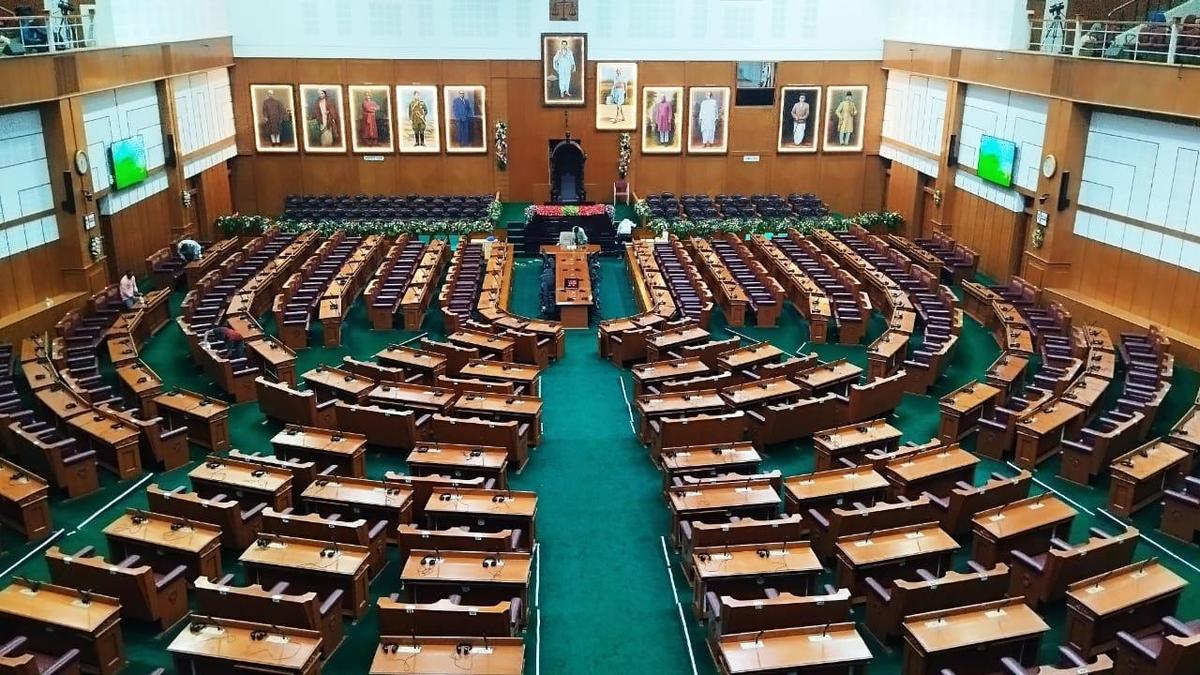
Concerns have also been raised about the message being sent to younger and first-time legislators. Senior members observed that when absenteeism becomes routine, it sets a poor example for those still learning the importance of legislative traditions and discipline. They stressed that respect for the House is cultivated through consistent participation and engagement, not symbolic presence.
Political analysts have linked the trend to increasing centralisation of decision-making within party leaderships. With many policy decisions finalised outside the Assembly, legislators may feel their role in debates is limited, reducing incentive to attend sessions. Experts cautioned that this undermines the Legislature’s relevance and weakens checks and balances within the democratic system.
Some lawmakers have argued that the scheduling of the Belagavi session often coincides with local festivals, organisational meetings, or political mobilisation activities, creating competing demands on members’ time. They suggested that better coordination and long-term calendar planning could help improve attendance and ensure that legislators can prioritise Assembly work.
The financial implications of thin attendance have also come under scrutiny. Holding an extended session in Belagavi involves significant expenditure on logistics, security, accommodation, and administration. Critics argue that when attendance is low, the public value of such spending is diminished, raising questions about fiscal responsibility.
Civic groups in north Karnataka have expressed disappointment, noting that the Belagavi session was envisaged as a forum to highlight regional concerns such as irrigation, employment, healthcare, and infrastructure. Sparse attendance, they say, reduces the chances of sustained discussion on these issues and reinforces feelings of marginalisation among residents.
Some legislators have proposed introducing a minimum attendance requirement for each session, with penalties for repeated absence without valid reasons. While such measures are controversial, supporters argue that accountability mechanisms are necessary to restore seriousness to legislative proceedings.
Former Speakers have weighed in on the debate, recalling a time when Assembly attendance was seen as a matter of personal and political honour. They urged current members to rediscover that sense of responsibility and to view participation not as an obligation imposed by rules but as a privilege entrusted by voters.
As discussions continue, many hope that the criticism surrounding thin attendance will prompt introspection among legislators. Observers say that meaningful reform will require collective will rather than isolated measures, ensuring that future Belagavi sessions live up to their intended purpose of inclusive, engaged, and effective legislative deliberation.
The financial implications of thin attendance have also come under scrutiny. Holding an extended session in Belagavi involves significant expenditure on logistics, security, accommodation, and administration. Critics argue that when attendance is low, the public value of such spending is diminished, raising questions about fiscal responsibility.
Civic groups in north Karnataka have expressed disappointment, noting that the Belagavi session was envisaged as a forum to highlight regional concerns such as irrigation, employment, healthcare, and infrastructure. Sparse attendance, they say, reduces the chances of sustained discussion on these issues and reinforces feelings of marginalisation among residents.
Follow: Karnataka Government
Also read: Home | Channel 6 Network – Latest News, Breaking Updates: Politics, Business, Tech & More
