
TNCA issues clarity on banned items at MA Chidambaram Stadium
TNCA issues updated match guidelines following a controversy at the MA Chidambaram Stadium in Chennai during the New Zealand versus Afghanistan match. The Tamil Nadu Cricket Association released the instructions a day after reports surfaced that whistles were taken away from spectators at the venue.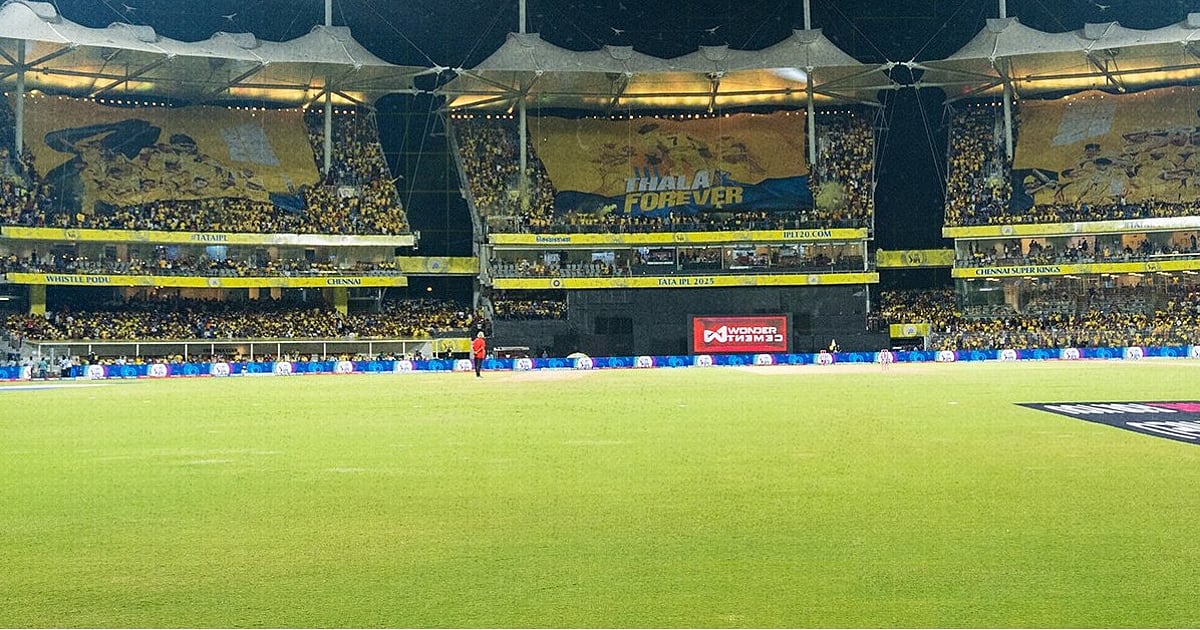
The development drew attention because whistles have recently gained political symbolism in Tamil Nadu. While initial claims suggested there was no official ban, the newly released guidelines now clearly list whistles, vuvuzelas, horns, and megaphones among items that are not allowed inside the stadium during matches.
The move is seen as an attempt to clear confusion and avoid further public debate during ongoing international fixtures.
TNCA issues explanation amid confusion over ticket conditions
The issue became controversial when some fans said their whistles were confiscated by security personnel at the stadium. At that time, both police and TNCA representatives reportedly stated that there was no specific instruction banning whistles. However, the updated guidelines contradict those earlier statements by clearly including whistles in the prohibited list.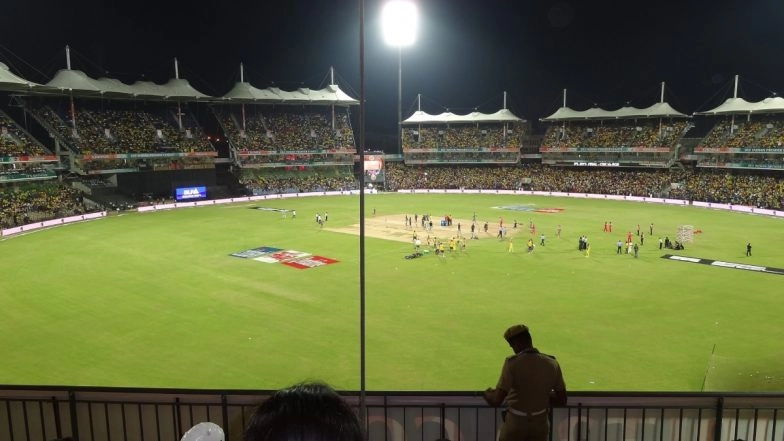
Interestingly, the terms printed on the back of match tickets do not directly mention whistles. Instead, they refer to musical instruments as banned items. This mismatch between ticket conditions and on-ground enforcement appears to have contributed to confusion among spectators.
By formally issuing guidelines, TNCA issues a clearer framework for what fans can and cannot carry into the venue, especially during high-profile international matches.
TNCA issues rules in line with ICC venue powers
According to tournament regulations, the International Cricket Council allows individual venues to prepare their own list of restricted items. This means that stadium authorities have the right to decide what is permitted inside their premises based on security, crowd control, and match-day experience.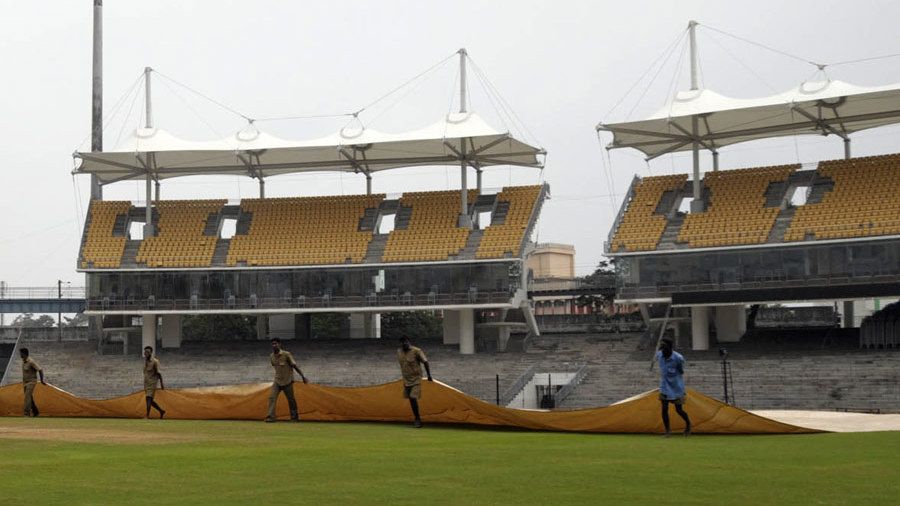
In this context, TNCA issues rules using the authority provided under ICC guidelines. However, it remains unclear whether the ban on whistles applies only to matches held in Chennai or to all venues hosting matches in the tournament.
Officials have not confirmed whether other stadiums will adopt similar restrictions or if this decision is specific to MA Chidambaram Stadium.
TNCA issues measures ahead of upcoming matches
The timing of the clarification is important, as more international matches are scheduled at the Chepauk venue. New Zealand is set to play the United Arab Emirates in the next fixture at the stadium, and authorities are keen to avoid disruptions or misunderstandings among fans.
Security arrangements at large sporting events often evolve based on crowd behaviour, noise levels, and logistical concerns. By releasing the guidelines publicly, TNCA issues a preventive step aimed at maintaining order and avoiding last-minute enforcement that could upset spectators.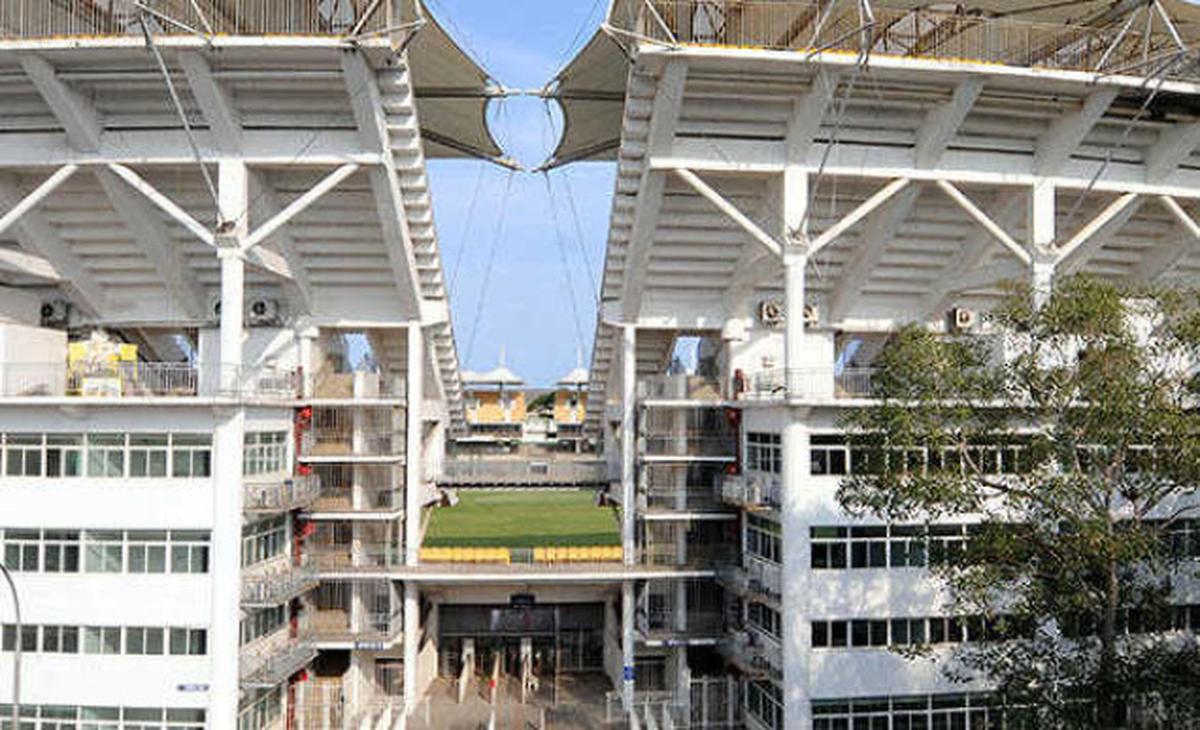
From the association’s perspective, clear communication before match days reduces friction between fans, security staff, and organisers.
TNCA issues guidance amid political sensitivity
While the guidelines focus on stadium conduct, the timing has led to public discussion due to the whistle’s recent political association. TNCA has not made any political references in its statement and has positioned the restriction as part of standard match-day regulation.
The association appears to be taking a neutral administrative stance by grouping whistles with other noise-making devices like horns and megaphones. This framing helps present the decision as a general crowd management measure rather than a targeted action.
By formalising the ban through written guidelines, TNCA issues an official record that removes ambiguity and limits room for interpretation at entry points. Also Read: Vilamarathur Water Scheme Issue Rekindles Debate Over Protest Cases in TN 2026
Conclusion
The latest announcement shows that TNCA issues structured guidelines to manage stadium conduct after confusion during an international match. With whistles and other sound devices now clearly listed as banned items, spectators attending matches at Chepauk are expected to follow the updated rules. The move aims to ensure smoother match operations while avoiding further controversy.
