
TNSTC Bus Duty Control Raises Concerns Over Power and Fairness
TNSTC bus operations across Tamil Nadu are facing growing internal concerns as allegations emerge over the misuse of Traffic Controller roles at several depots. TNSTC bus crew members claim that drivers and conductors, instead of office staff, are continuing in Traffic Controller positions in violation of existing norms, leading to unfair duty allocation, denial of leave, and alleged caste-based discrimination.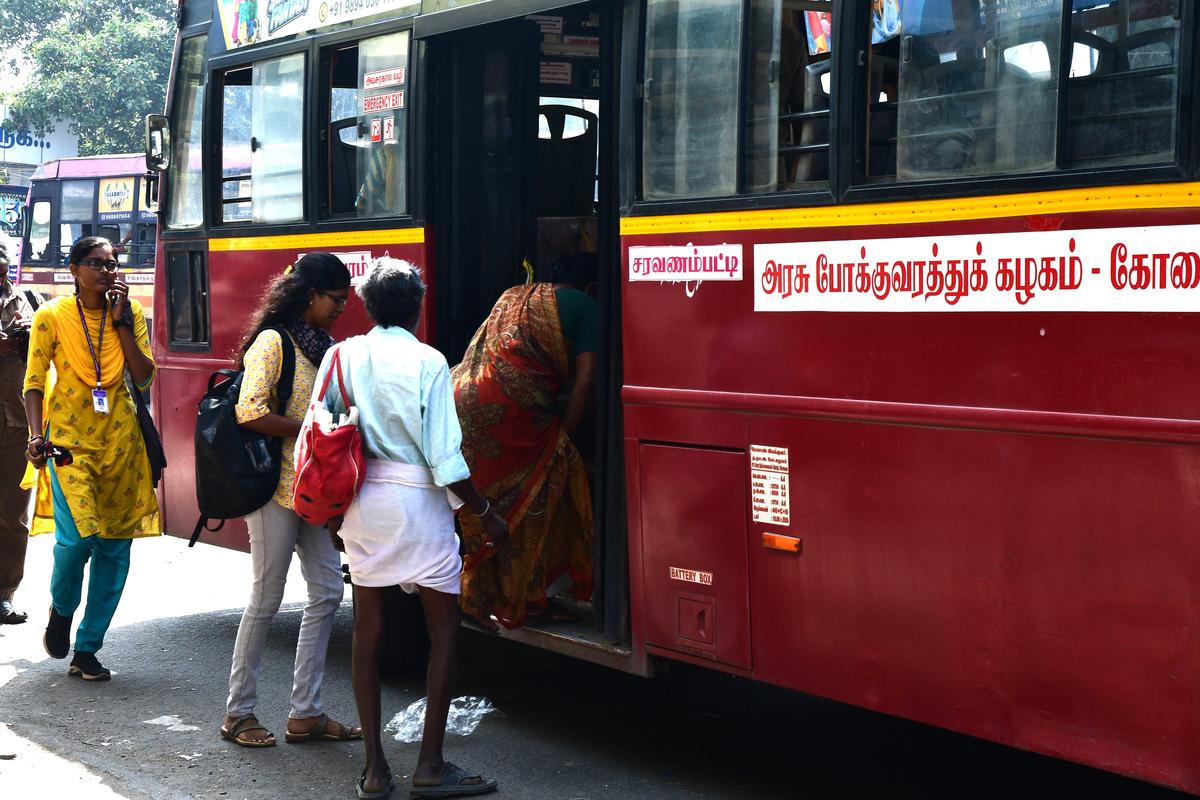
TNSTC bus depots function on daily duty rosters prepared by Traffic Controllers, who decide route assignments and approve leave for drivers and conductors. According to several employees, this power is increasingly being exercised by bus crew members affiliated with unions linked to the ruling party, rather than by authorised office staff as mandated.
Workers allege that this shift has created an unhealthy power structure inside depots, where certain individuals control daily operations without accountability. They claim this has weakened the original purpose of unions, which were meant to protect workers’ welfare, not dominate fellow employees.
TNSTC Bus Crew Allege Unequal Treatment in Duty Allocation
Several TNSTC bus drivers and conductors allege that duty assignments are not based on rotation or fairness. Instead, preferred workers reportedly receive short-distance or less crowded routes, while others are repeatedly assigned long-distance and high-pressure routes.
Employees from Scheduled Castes allege that they are disproportionately affected. They claim leave requests are often denied, additional duties are imposed, and difficult routes are assigned as a form of indirect punishment. Some drivers say that speaking out against these practices leads to further harassment through duty scheduling.
According to one driver, Traffic Controllers have full discretion in assigning daily duties, and this power is often misused to reward loyalty to unions while sidelining those who are not aligned. He stated that seniority, health conditions, and personal circumstances are ignored in many cases.
The allegations suggest that TNSTC bus depots have developed informal power centres where politically connected individuals influence operational decisions beyond their official roles.
TNSTC Bus Depots Witness Claims of Caste-Based Discrimination
Concerns have deepened following allegations of caste-related incidents at certain TNSTC bus depots. Workers claim that discrimination is practiced both openly and indirectly, especially against Scheduled Caste employees.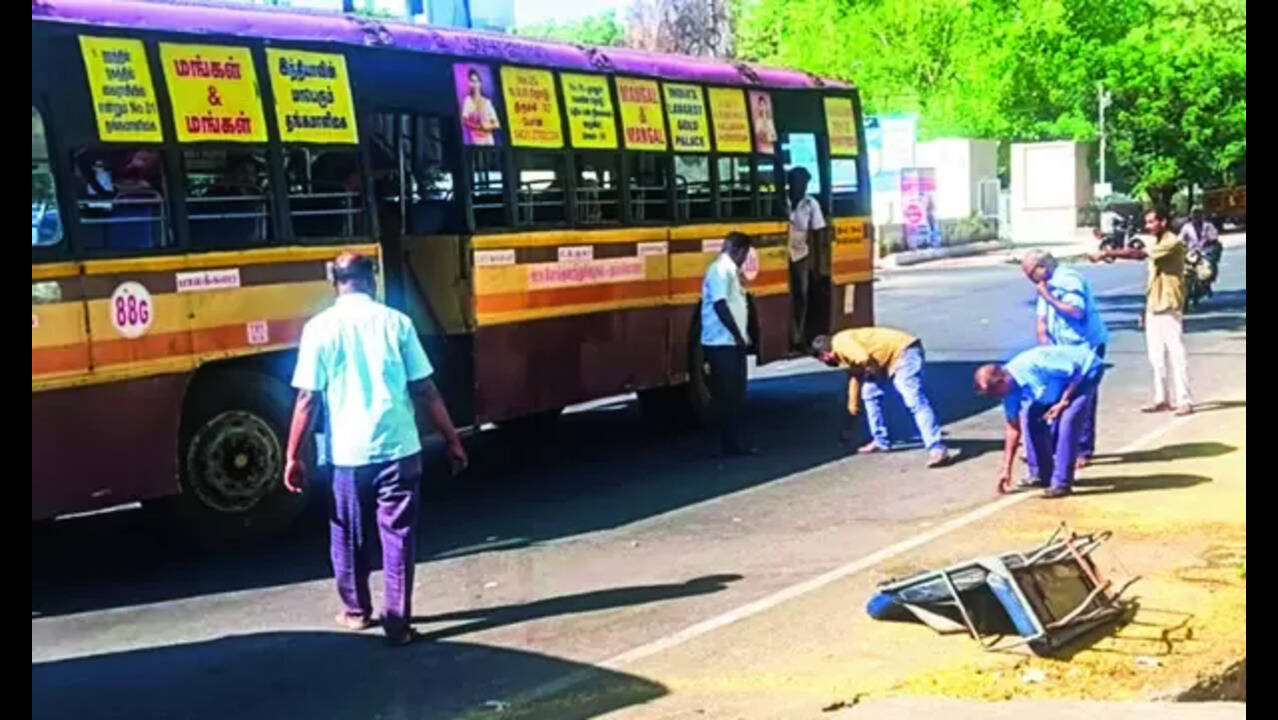
An incident cited by employees involved a branch manager being humiliated after enforcing administrative discipline. Workers allege that influential individuals used political backing to force transfers of officials who resisted irregular practices. Such incidents, they say, create fear among staff and discourage officers from acting independently.
Union representatives argue that these developments have damaged workplace dignity and trust. They point out that caste discrimination within public sector institutions contradicts constitutional values and labour protections.
According to union leaders, repeated complaints raised internally have not resulted in corrective action, leading to frustration among employees who feel unsafe and unheard.
TNSTC Bus Controller Posts and Norm Violations
Union representatives stress that as per established norms and court directions, drivers and conductors should perform only operational duties and should not be assigned office responsibilities such as Traffic Controller or cashier roles. These positions are meant for office staff or trained checking inspectors with adequate experience.
They argue that citing staff shortage is not a valid justification, especially when appointments appear selective and influenced by political alignment. Senior employees, persons with disabilities, and workers appointed on compassionate grounds are allegedly overlooked for these posts. Also Read: Justin Bieber New Back Tattoo Draws Attention for Its Personal Meaning in 2026
Transport officials at the regional level have reportedly expressed difficulty in taking action due to the political influence enjoyed by certain Traffic Controllers. Officers claim their authority is often undermined, making independent decision-making difficult at the depot level.
Higher officials in the transport department have acknowledged the seriousness of the issue and indicated that the matter requires closer examination to restore proper administrative control.
Conclusion
The situation surrounding TNSTC bus depot operations highlights deeper concerns about power imbalance, fairness, and workplace dignity within the public transport system. With allegations of norm violations and discrimination continuing to surface, the issue underscores the need for transparent administration, clear role enforcement, and protection of employee rights across all TNSTC bus depots.
