
Tourism Summit 2026: India backpacks, but Moolah missing as inbound travel struggles to keep pace
Tourism Summit 2026: India backpacks, but Moolah missing reflects a growing concern within India’s fast-expanding travel sector, where strong domestic movement and rising overseas travel by Indians are not being matched by foreign tourist arrivals. This imbalance, experts warned, could weaken tourism’s role as an economic growth driver if corrective steps are not taken soon.
The issue was highlighted during Tourism Summit 2026 held in Chennai, where policymakers and industry leaders discussed the future of India’s tourism economy. India’s tourism story today is one of movement, aspiration, and rising demand, but also one of missed opportunity on the global stage. While Indians are travelling more than ever before, both within the country and abroad, the number of international visitors entering India has not grown at the same pace.
Officials pointed out that India’s tourism sector is at a turning point. Domestic travel has surged sharply, helped by better connectivity, rising incomes, and changing lifestyles. Travel is no longer seen as a luxury but as a regular part of life for millions. However, the financial returns from tourism are not reaching their full potential due to weak inbound international tourism.
Strong domestic growth hides a widening global gap
Tourism Summit 2026: India backpacks, but Moolah missing underlines a clear imbalance in travel flows. India receives around 20 million foreign tourists annually, generating valuable foreign exchange. At the same time, more than 30 million Indians travel overseas every year, spending more money abroad than what international tourists bring into the country. This has turned tourism into a net foreign exchange loss rather than a gain.
Experts explained that while outbound travel reflects rising prosperity, it also exposes gaps in India’s tourism competitiveness. Issues such as visa ease, destination promotion, tourist-friendly infrastructure, and consistent global branding need urgent attention. Without improvement in these areas, India risks falling behind other global destinations that actively attract and retain international visitors.
Despite its rich culture, history, nature, and spiritual centres, India remains underrepresented in global tourism numbers. Tourism currently contributes just over five percent to India’s GDP, far below the global average. This is seen as a major missed opportunity, especially when tourism has the ability to create large-scale employment and support local economies.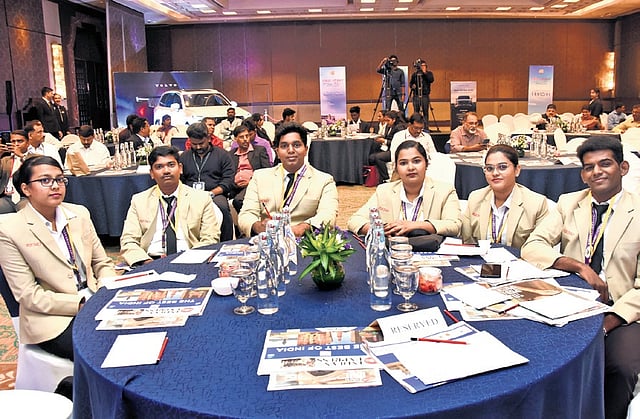
Infrastructure growth offers hope. India’s aviation sector is expanding rapidly, with airline capacity expected to more than double in the coming years. Improved airports, highways, and railway networks are making travel easier within the country. However, speakers stressed that infrastructure alone cannot solve the inbound gap unless paired with focused international outreach and policy reforms.
Diversity is strength, but needs direction
Tourism Summit 2026: India backpacks, but Moolah missing also highlights a unique challenge. India’s vast diversity makes it difficult to present the country as a single tourism product. Unlike smaller nations with uniform experiences, India offers many different journeys, cultures, and landscapes. While this diversity is a strength, it also demands careful planning and storytelling.
Industry leaders stressed the importance of presenting India in a way that helps foreign tourists understand and choose experiences easily. Regional tourism circuits, heritage-focused stays, and community-driven travel were discussed as ways to make destinations more welcoming and meaningful.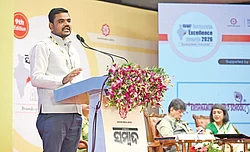
Temple towns, heritage hotels, adventure tourism, and cultural travel were identified as areas with strong global appeal. By blending comfort with local history and tradition, India can offer experiences that stand apart from mass tourism destinations. Participants also noted that sustainability must be kept at the centre, as rising tourist numbers put pressure on local resources.
Ease of doing business in tourism was another key theme. Simplifying approvals, encouraging private investment, and supporting small tourism entrepreneurs were seen as necessary steps to strengthen the sector. Speakers reminded that tourism has few dead ends and can recover quickly if supported with the right policies. Also Read: Chennai metro rail worksite accident highlights safety gaps for migrant workers
Conclusion
Tourism Summit 2026: India backpacks, but Moolah missing serves as a timely reminder that movement alone does not guarantee economic gain. While Indians are travelling more than ever, the true potential of tourism lies in attracting the world to India. Bridging the gap between outbound and inbound travel will decide whether tourism becomes a lasting growth engine or a missed opportunity for the Indian economy.
