
The Ministry of Road Transport and Highways has invited bids for a feasibility study to widen the two-lane stretch of National Highway 169A passing through the scenic Agumbe Ghat in Karnataka. The proposed study marks a significant step toward addressing long-standing concerns over traffic congestion, road safety, and connectivity in the Western Ghats region. The 12-kilometre stretch, known for its sharp curves, steep gradients, and dense forest cover, plays a crucial role in linking Shivamogga district with coastal Karnataka. Authorities believe that a scientific assessment will determine the most sustainable and efficient expansion model.
Agumbe Ghat is often described as one of the most picturesque yet challenging hill roads in the State. Frequent landslides during the monsoon, reduced visibility due to heavy rainfall, and narrow carriageways have made travel along this route difficult for commuters and freight operators alike. The highway also serves as a lifeline for agricultural produce and essential goods moving between the Malnad region and the coast. With vehicular traffic steadily increasing over the past decade, the need for capacity enhancement has become more urgent.
Officials from MoRTH indicated that the feasibility study will examine technical, environmental, and financial parameters before any widening work is sanctioned. The study is expected to include detailed traffic surveys, soil testing, slope stability analysis, and assessment of accident-prone zones. Given the ecological sensitivity of the Western Ghats, which is recognised as a biodiversity hotspot, the evaluation will also consider environmental safeguards. Balancing infrastructure development with conservation priorities will remain central to the decision-making process.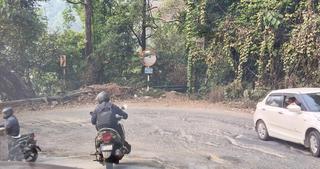
Local residents have long demanded improvements to the ghat section, citing frequent road closures and safety hazards. During peak monsoon months, landslides often block traffic for hours, sometimes days, disrupting daily life and commercial activities. Ambulances and emergency services face delays due to bottlenecks created by heavy vehicles navigating tight bends. Community leaders argue that a carefully designed widening project could significantly reduce travel time and enhance public safety without compromising the region’s natural heritage.
ENVIRONMENTAL SENSITIVITY AND DEVELOPMENT CHALLENGES
Environmental experts caution that any proposal to widen the Agumbe Ghat stretch must undergo rigorous scrutiny. The region hosts diverse flora and fauna, including endangered species and fragile ecosystems. Tree felling, slope cutting, and blasting activities, if not managed responsibly, could destabilise hill slopes and increase the risk of landslides. Conservationists have called for detailed impact assessments and mitigation measures, including reforestation plans and advanced drainage systems to manage runoff during intense rainfall.
The Western Ghats receive some of the highest rainfall in India, and Agumbe is often referred to as the “Cherrapunji of the South.” Heavy precipitation contributes to soil erosion and slope instability, complicating engineering interventions. Experts suggest that modern hill road design techniques, such as reinforced retaining walls, bioengineering methods, and improved stormwater management systems, could help mitigate risks. The feasibility study is expected to recommend design solutions tailored to the unique climatic and geological conditions of the area.
Transport economists argue that improved highway infrastructure could stimulate economic growth in the region. Enhanced connectivity between Shivamogga and Udupi districts would facilitate smoother movement of goods, particularly agricultural commodities such as arecanut, paddy, and spices. Tourism, too, stands to benefit, as Agumbe attracts visitors for its rainforests, sunsets, and trekking trails. Better roads may encourage responsible tourism while reducing vehicle wear and fuel consumption caused by prolonged congestion.
However, critics warn against viewing road widening as a standalone solution. They emphasise the need for integrated planning that includes traffic management strategies, strict enforcement of vehicle load limits, and promotion of public transportation options. Overexpansion without adequate safeguards could inadvertently increase traffic volume, leading to higher emissions and ecological strain. Policymakers will therefore need to strike a delicate balance between facilitating mobility and preserving environmental integrity.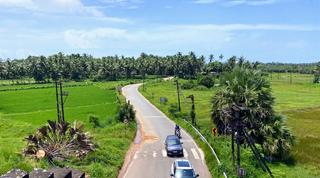
Local elected representatives have welcomed the Centre’s decision to commission a feasibility study, describing it as a positive response to repeated appeals. They maintain that development in hilly regions should not be equated with indiscriminate construction but rather with safer and more resilient infrastructure. According to them, a well-planned widening project would not only improve connectivity but also instil confidence among investors and residents who depend on reliable road networks.
SAFETY, ECONOMY AND REGIONAL ASPIRATIONS
Road safety statistics underscore the urgency of intervention along the Agumbe Ghat stretch. Sharp hairpin bends, limited overtaking space, and unpredictable weather conditions have contributed to numerous accidents over the years. Drivers often struggle with foggy conditions and slippery surfaces during the monsoon. Safety advocates believe that geometric improvements, better signage, crash barriers, and designated lay-bys for heavy vehicles could significantly reduce mishaps and enhance commuter confidence.
The feasibility study will also estimate project costs and explore funding mechanisms. Depending on its findings, the widening project could be implemented under central funding allocations or through hybrid financial models. Cost considerations will include land acquisition, environmental mitigation measures, construction technology, and long-term maintenance requirements. Transparent cost-benefit analysis will be critical to ensure that public investment yields measurable improvements in safety and efficiency.
Infrastructure analysts note that hill highway projects require specialised engineering expertise and extended timelines. Unlike plains, ghat sections demand meticulous planning to prevent slope failures and drainage blockages. Seasonal construction windows further complicate execution, as heavy rains can halt work for months. The feasibility report is likely to outline phased implementation strategies, allowing authorities to prioritise critical segments while minimising disruption to existing traffic.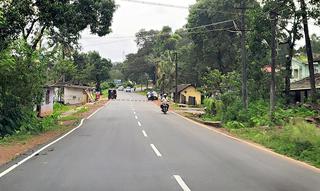
Public consultation is expected to form part of the assessment process. Stakeholders, including local communities, environmental groups, transport operators, and tourism businesses, may be invited to share inputs. Such engagement could help identify practical concerns and foster consensus around the final design. Inclusive planning is particularly important in ecologically sensitive regions, where public trust plays a vital role in ensuring smooth project implementation.
The broader context of infrastructure expansion across Karnataka adds significance to this initiative. The State has witnessed rapid highway development in recent years, aimed at improving inter-district connectivity and supporting industrial growth. Upgrading NH 169A would complement these efforts by strengthening the link between the Malnad hinterland and coastal economic corridors. Strategic connectivity improvements often have multiplier effects, enhancing trade, employment, and regional integration.
For residents of Agumbe and surrounding villages, the announcement of the feasibility study represents cautious optimism. While concerns about ecological impact persist, many hope that scientific evaluation will lead to a balanced solution that addresses safety and mobility challenges. The coming months will reveal whether the study recommends full-scale widening or targeted upgrades. Either way, the initiative signals recognition of the region’s infrastructural needs and aspirations.
Ultimately, the invitation of bids for the feasibility study marks the beginning of a critical decision-making journey. The future of the Agumbe Ghat stretch depends on harmonising engineering innovation with environmental stewardship. If executed thoughtfully, the project could become a model for sustainable hill road development in India. The 12-kilometre corridor, once seen as a constraint, may evolve into a symbol of resilient progress, reflecting both developmental ambition and respect for nature’s delicate balance.
The proposal to widen the Agumbe Ghat stretch has also reignited the long-standing debate between development and conservation in ecologically fragile zones. Environmentalists argue that the Western Ghats, a UNESCO World Heritage site and one of the world’s eight “hottest hotspots” of biological diversity, cannot afford large-scale infrastructure interventions without detailed and transparent impact assessments. They stress that even a feasibility study must be rooted in scientific sensitivity mapping, landslide vulnerability analysis, and biodiversity audits before any groundwork begins.
Local communities living in and around Agumbe have expressed mixed reactions to the announcement. While traders and transporters see the move as a positive step that could improve connectivity and boost economic activity, some residents fear increased traffic, noise, and the risk of further landslides. Agumbe is known for its heavy rainfall, often recording some of the highest precipitation levels in South India, which already makes the ghat stretch prone to soil erosion and road damage during monsoon months.
Officials from the Public Works and Highways departments have indicated that the feasibility study will include a detailed traffic survey to assess current and projected vehicular movement on NH-169A. Over the past decade, traffic volume on several state and national highways in Karnataka has increased significantly due to urban expansion and rising commercial transportation. The study is expected to evaluate whether widening to a four-lane configuration is necessary or if intermediate solutions such as improved shoulders and passing lanes would suffice.
Safety concerns remain a central reason for considering the widening project. The narrow two-lane stretch, coupled with sharp curves and limited visibility at certain bends, has been the site of several road accidents in recent years. Transport operators frequently complain about difficulties faced by heavy vehicles navigating the steep inclines and hairpin turns. By improving road geometry and adding safety features such as crash barriers, proper drainage systems, and signage, authorities hope to reduce accident rates and ensure smoother travel.
Environmental safeguards are likely to form a critical component of the study. Experts suggest that any road expansion in the Western Ghats must incorporate slope stabilization techniques, proper stormwater management systems, and wildlife crossings to minimize habitat fragmentation. The presence of endemic species, including reptiles and amphibians unique to the region, makes ecological planning indispensable. The feasibility report is expected to outline mitigation measures in line with national environmental regulations and forest conservation norms.
Tourism is another dimension influencing the proposal. Agumbe, often referred to as the “Cherrapunji of the South,” attracts visitors for its scenic landscapes, sunset viewpoints, and rainforest biodiversity. Improved road infrastructure could make the region more accessible to tourists, potentially increasing footfall and boosting local businesses. However, conservationists caution that unregulated tourism combined with widened highways could strain fragile ecosystems and alter the character of the hill station.
The Ministry of Road Transport and Highways has clarified that inviting bids for a feasibility study does not automatically guarantee project approval. The outcome of the study will determine the technical viability, environmental feasibility, and economic justification for widening the stretch. Stakeholders from government bodies, environmental groups, and local communities are expected to be consulted before any final decision is made, reflecting the need for a balanced approach between connectivity needs and ecological preservation.
Follow: Karnataka Government
Also read: Home | Channel 6 Network – Latest News, Breaking Updates: Politics, Business, Tech & More
