
The Karnataka State Road Transport Corporation is preparing for a major infrastructure expansion in Mysuru, marking one of its most ambitious regional investments in recent years. With four new depots planned across strategic locations, the move signals a renewed commitment to enhancing mobility, easing operational pressure on existing facilities, and supporting a rapidly growing population. Officials describe the project as a turning point for Mysuru’s transport ecosystem, designed to improve efficiency and reliability for lakhs of commuters. As the city’s economic and demographic landscape evolves, the push for better public transport infrastructure has taken centre stage.
The proposal for the four depots follows months of internal assessment on the city’s rising ridership patterns and logistical challenges. Existing depots have been operating beyond their intended capacity, prompting frequent concerns from both staff and commuters. KSRTC’s regional teams have repeatedly highlighted the need for additional space for parking, maintenance, and scheduling efficiency. The new depots aim to decentralise operations, reduce congestion within central facilities, and ensure buses are serviced faster. Officials emphasise that Mysuru’s growing outskirts require a more distributed transport network capable of handling daily demand.
Local planners have noted that the depots are strategically placed to support immediate and long-term needs. Each location was selected after studying residential growth, industrial clusters, connectivity gaps, and traffic pressure points. With urban expansion pushing into peripheral areas, the transport demands have increased sharply. The new depots are expected to reduce dead mileage, optimise routing, and improve the punctuality of services. This model mirrors successful expansions in other districts where decentralised depots helped streamline operations and reduce fuel and maintenance costs significantly.
The decision to invest in Mysuru comes at a crucial moment when the city is positioning itself as a major economic and educational hub. Increased intra-city movement, expanding suburban zones, and stronger inter-district links have all elevated the importance of dependable bus transport. KSRTC sees Mysuru as a priority region where capacity-building must continue in order to sustain growth. The depots will enable the corporation to introduce more schedules, improve service frequency, and potentially expand long-distance operations originating from Mysuru.
Infrastructure Expansion to Address Long-Pending Gaps
Urban mobility experts say the new depots will bridge long-standing gaps in Mysuru’s transit infrastructure. Many routes currently suffer delays due to limited service bays for repairs and maintenance. With four additional depots, the load on existing facilities will reduce dramatically, allowing teams to handle vehicles more efficiently. This, in turn, can improve fleet health and reduce breakdowns, a recurring challenge on busy routes. The depots will also offer better working conditions for staff, including rest areas, training spaces, and improved scheduling facilities that modernise operational workflows.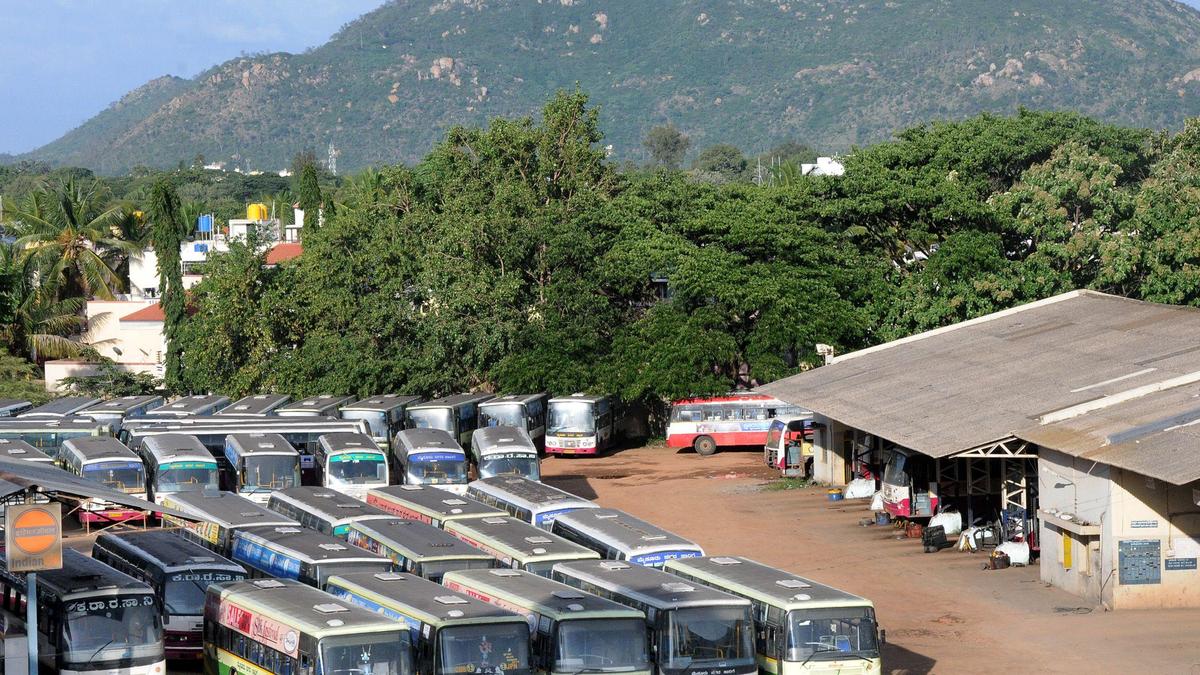
The Karnataka government has given in-principle approval for the expansion, describing it as a necessary step toward strengthening regional connectivity. Officials believe that enhanced infrastructure will encourage more residents to shift to public transport, reducing pressure on private vehicles and contributing to cleaner mobility. With Mysuru frequently noted for its cultural heritage and tourism appeal, improving its public transport backbone is expected to enhance visitor movement as well. The new depots are thus linked not only to operational needs but also to the broader vision for sustainable urban planning.
Residents in areas earmarked for the depots have largely welcomed the development, particularly those who face long commutes to access bus services. The depots are expected to become operational hubs from where new routes can be introduced or existing ones strengthened. Local business groups have also expressed optimism, expecting improved workforce mobility and better access to commercial zones. Officials say stakeholder feedback has been positive, and land acquisition or allocation processes have been advancing smoothly without major objections, allowing the project to move forward without delays.
From a planning perspective, the creation of multiple depots rather than a single large one reflects an evolution in KSRTC’s approach. Distributed facilities reduce bottlenecks, allow faster rotation of vehicles, and support route diversification. Planners argue that as cities expand horizontally, transport infrastructure must follow the same model. Mysuru, with its combination of dense urban pockets and sprawling outskirts, is seen as a perfect example where decentralised depots can significantly elevate service delivery. The corporation hopes to replicate this model in other districts based on the Mysuru experience.
The new depots will also help accommodate the addition of modern buses into the fleet. KSRTC has been gradually introducing new vehicles, including fuel-efficient models, upgraded long-distance coaches, and improved city service units. Without sufficient depot space, the additions strain existing facilities, affecting maintenance quality. The expanded infrastructure ensures that the new buses will be managed, serviced, and deployed more efficiently. Officials say the depots will support long-term fleet modernisation goals that KSRTC intends to implement in phases across Karnataka.
A Strategic Push to Strengthen Mysuru’s Regional Mobility
The expansion is also linked to ensuring smoother mobility between Mysuru and its neighbouring districts. With commercial interactions, educational linkages, and employment-related travel rising steadily, Mysuru has become a central transit node. The new depots will offer better staging points for inter-district buses, reducing congestion at the main bus stand and enabling easier route management. This could also translate to shorter waiting times for passengers, especially during peak hours or festival seasons when traffic volume surges significantly.
The tourism industry stands to benefit from this infrastructure boost, particularly because Mysuru attracts visitors throughout the year. Improved bus operations and increased fleet availability allow KSRTC to schedule more tourist-friendly services, especially on weekends and holidays. The new depots enable faster turnaround times for buses heading to popular destinations like the Chamundi Hills, Srirangapatna, and Bandipur. Tourism operators believe that better public transport will enhance visitor experience and reduce dependency on private tours.
Economists observing the expansion highlight that transport infrastructure investments often generate wider economic benefits. Construction of the depots itself will create short-term employment opportunities, while improved mobility will support long-term growth by easing the movement of labour and goods. Mysuru’s industrial areas, especially those near emerging corridors, are expected to gain improved access, making the region more attractive for potential investors. The government sees this as part of a broader strategy to position Tier-2 cities as engines of balanced regional development.
KSRTC has also indicated that the depots will incorporate eco-friendly features wherever possible. Planners are exploring solar installations, water recycling systems, and green landscaping to reduce environmental impact. The move aligns with the corporation’s ongoing sustainability initiatives. With public transport playing a central role in reducing carbon emissions, officials believe that modern depots must integrate green technologies to complement the shift towards cleaner operations. This approach supports Karnataka’s wider environmental goals, especially in cities experiencing rising vehicular traffic.
Safety and monitoring will be a priority component of the upcoming depots. Each facility is expected to include surveillance systems, better lighting, and secure parking zones for buses undergoing maintenance. Officials state that upgraded safety features help reduce theft, improve compliance with operational protocols, and support a better workflow for depot staff. With large numbers of vehicles moving in and out daily, enhanced safety infrastructure ensures smoother management of operations and reduces risks associated with congestion inside depot premises.
The decision to expand infrastructure comes at a time when Mysuru’s population has been steadily increasing, creating heightened pressure on its transport network. Surveys conducted by planning teams revealed that many residents rely heavily on buses due to affordability and connectivity advantages. However, crowded depots, delayed schedules, and limited operational space have hampered efficiency. The four new depots are expected to address these issues comprehensively, providing the city with the capacity it requires to meet current and future mobility demands.
Officials are also considering digital integration to strengthen the functioning of the new depots. Systems for real-time monitoring of bus movements, automated scheduling tools, and maintenance management software are likely to be incorporated. Digital infrastructure allows teams to track route performance, respond quickly to disruptions, and manage fleet health more systematically. With Mysuru aiming to improve its urban service delivery, the fusion of physical and digital upgrades represents a significant leap toward modern transport operations.
The project has also brought attention to the need for coordinated planning between civic agencies. Successful depot operations require good access roads, proper drainage, and integration with local traffic plans. Municipal authorities are expected to collaborate closely to ensure that the depot locations are supported by appropriate civic infrastructure. This coordinated approach prevents bottlenecks and ensures that the expanded KSRTC facilities contribute positively to overall city mobility. Early discussions indicate that local bodies are supportive and ready to align their planning processes.
As Mysuru prepares for this large-scale expansion, KSRTC officials have emphasised transparency and continued engagement with the public. Updates about land preparation, construction timelines, and operational strategies will be shared at regular intervals. This effort aims to build trust and ensure that residents understand how the new depots will benefit their daily travel. The corporation recognises that public cooperation is essential for smooth implementation, especially in areas where construction may temporarily impact local movements.
The new depots also open possibilities for future service diversification. Officials say that once the facilities are functional, KSRTC can consider introducing express services in underserved corridors, integrating feeder routes with suburban expansion, and strengthening city-cum-rural transit models. Mysuru’s unique combination of heritage zones, academic hubs, and industrial areas creates demand for varied transport options. The expanded depot network gives KSRTC the flexibility to experiment with new services tailored to these evolving needs.
The long-term impact of this project is expected to reshape Mysuru’s transport landscape. With rising aspirations, growing neighbourhoods, and increasing regional interactions, the city needs infrastructure that matches its pace of development. The four new depots signify more than just additional space; they mark a strategic and forward-looking investment in the city’s mobility future. As construction progresses, Mysuru moves closer to realising a more efficient, reliable, and responsive bus network capable of serving its people for decades to come.
Officials remain confident that the project will set a new benchmark for depot planning in medium-sized Indian cities. By combining decentralisation, modern design, sustainability features, and digital tools, the Mysuru model may inspire similar expansions elsewhere in Karnataka. KSRTC hopes the project reinforces public trust in government-led infrastructure initiatives. Ultimately, the success of this expansion will be measured not just in operational metrics but in the everyday convenience and comfort experienced by Mysuru’s commuters.
Follow: Karnataka Government
Also read: Home | Channel 6 Network – Latest News, Breaking Updates: Politics, Business, Tech & More
