
Tribal Dept to Team Up With FIDE Panel to Introduce Chess as Learning Tool
Tribal dept to team up with the education wing of the International Chess Federation to bring chess into classrooms of government-run tribal schools, marking a new approach to learning in educationally backward regions. The Tamil Nadu Tribal Welfare Department is working on a structured programme that treats chess not as a sport activity but as a classroom-based learning method aimed at improving thinking skills, focus, and problem-solving abilities among students.
The initiative is being designed in collaboration with the FIDE Education Commission, which promotes chess as a learning aid in schools worldwide. Officials said the programme is intended to strengthen academic engagement and help students from tribal communities develop essential life skills through regular classroom activities.
Unlike traditional chess clubs or after-school sessions, the plan is to integrate chess directly into daily teaching methods, making it part of the school learning process rather than an optional activity.
Tribal Dept to Team Up for Teacher Training and Classroom Integration
The programme will be introduced in phases, beginning with intensive teacher training. Teachers from tribal welfare schools will be trained in using chess-based learning techniques that support classroom instruction. The focus will be on helping teachers understand how chess can improve memory, logical thinking, and decision-making skills among children.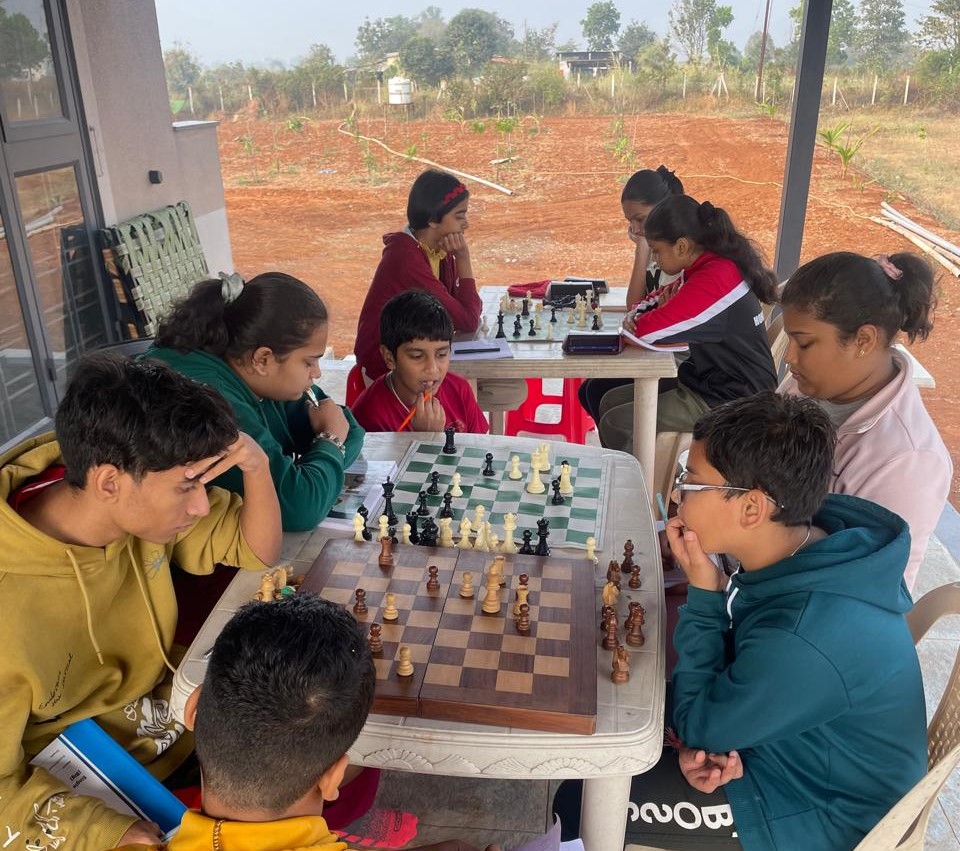
Training modules will include both online and in-person sessions. Teachers will be guided on using simple tools, activity-based lessons, and student participation methods. One of the planned methods includes interactive approaches where students physically represent chess pieces, helping them understand concepts through movement and discussion.
Officials involved in the planning said this method is especially useful for students who struggle with traditional textbook-based learning. By making lessons more interactive, the programme aims to improve student participation and classroom confidence.
The department believes this approach will also support teachers by providing a structured yet flexible teaching tool that does not require expensive infrastructure.
Tribal Dept to Team Up to Improve Learning Outcomes in Remote Areas
The programme is expected to benefit students studying in remote tribal regions, where access to modern educational tools is often limited. By introducing chess as a learning method, the department aims to bridge learning gaps and bring new teaching practices into schools that face resource challenges.
Education officials said chess has been shown to support skills such as concentration, planning, patience, and analytical thinking. These skills are seen as essential not only for academic performance but also for overall personal development.
The collaboration with FIDE’s education panel will help localise the chess curriculum to suit Indian classrooms and learning conditions. Trainers associated with the programme noted that structured chess education has shown positive results in subjects like mathematics and logical reasoning when used consistently in school settings.
The department is also exploring blended learning models that combine classroom instruction with digital platforms. This would allow students to continue learning through simple online tools while teachers gradually build their expertise.
Tribal Dept to Team Up for Sustainable and Low-Cost Education Model
Officials stressed that the initiative is designed to be sustainable and affordable. Chess requires minimal equipment and can be adapted to different classroom sizes and learning levels. This makes it suitable for schools operating with limited resources.
The programme will include monitoring mechanisms to track progress and ensure the teaching methods are effective. Feedback from teachers and students will be used to refine the approach before expanding it to more schools.
Education department representatives said the goal is to create equal learning opportunities for children from marginalised communities and ensure they are not left behind in developing essential skills needed for higher education and future careers.
The initiative could eventually reach thousands of tribal students across the state, offering them exposure to innovative learning practices that are commonly available in urban schools. Also Read: New Moffusil Bus Stand Marks a Major Transport Shift in Dharmapuri in 2026
Conclusion
As the tribal dept to team up with an international education body, the move signals a shift towards practical and inclusive learning methods in government schools. By using chess as a classroom tool, the department hopes to strengthen thinking skills, improve engagement, and create a more supportive learning environment for tribal students, with long-term benefits for their academic and personal growth.
