
The death of a truck driver at an alleged illegal quarry in Karnataka has triggered a sweeping institutional response, with the State Upa Lokayukta booking an Assistant Commissioner, a tahsildar, a Deputy Superintendent of Police, and seven other officials for dereliction of duty. The action has cast a harsh spotlight on administrative apathy, regulatory collapse, and the human cost of unchecked illegal mining activities. What began as a tragic workplace death has now evolved into a damning indictment of multiple layers of governance that allegedly failed to prevent a foreseeable disaster.
According to the complaint examined by the Upa Lokayukta, the truck driver lost his life while transporting material from a quarry that was operating without proper authorisation. Preliminary findings suggest that the quarry continued its activities despite repeated violations, indicating systemic negligence rather than an isolated oversight. The driver, whose livelihood depended on daily wages, reportedly had little choice but to work in hazardous conditions, highlighting the vulnerability of labourers at the bottom of the economic hierarchy.
The Upa Lokayukta’s decision to book senior revenue and police officials marks a significant escalation. By naming officers responsible for land regulation, law enforcement, and local administration, the inquiry underscores the interconnected nature of regulatory failure. It suggests that illegal quarrying was not merely overlooked but allowed to persist due to inaction across departments entrusted with safeguarding lives and enforcing the law.
Illegal quarrying has long plagued several districts of Karnataka, often thriving in the shadows of weak enforcement and political patronage. Despite repeated warnings from environmentalists and local residents, such operations frequently resume after brief crackdowns. In this case, the death of the truck driver has forced authorities to confront uncomfortable questions about complicity and accountability.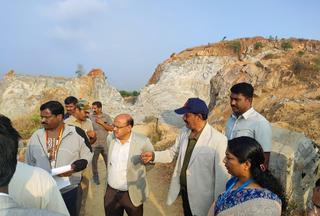
The government has maintained that the Upa Lokayukta’s action demonstrates its commitment to transparency and justice. However, critics argue that accountability often surfaces only after irreversible loss. For the driver’s family, the bookings offer a measure of validation, but they also reopen wounds, as no action can restore a life lost to preventable negligence.
As the case unfolds, it has become emblematic of a larger governance crisis, where economic exploitation, regulatory failure, and human tragedy intersect. The outcome of the proceedings will not only determine individual culpability but also test Karnataka’s resolve to dismantle entrenched systems that enable illegal quarrying at the cost of human lives.
A CHAIN OF NEGLIGENCE AND INSTITUTIONAL LAPSES
The Upa Lokayukta’s findings point to a chain of negligence spanning revenue, police, and local administrative authorities. The Assistant Commissioner and tahsildar, responsible for monitoring land use and enforcing quarrying regulations, allegedly failed to act despite being aware of irregularities. Their inaction, the inquiry suggests, allowed the quarry to function without clearances, exposing workers to unsafe conditions.
Equally significant is the inclusion of a Deputy Superintendent of Police among those booked. Law enforcement agencies are expected to curb illegal mining activities, particularly when they pose risks to public safety. The Upa Lokayukta noted that despite complaints and visible movement of heavy vehicles, no effective action was taken to halt operations or investigate violations. This failure, it argued, contributed directly to the circumstances leading to the driver’s death.
The seven other officials named in the case include personnel tasked with inspections, reporting, and coordination between departments. Their alleged dereliction reflects a breakdown in institutional communication, where warnings were either ignored or not escalated appropriately. Such fragmentation, experts say, is a common feature in cases of illegal mining, enabling operators to exploit gaps between jurisdictions.
Environmental activists have long warned that illegal quarries operate with impunity due to precisely this diffusion of responsibility. When accountability is spread thinly across multiple offices, decisive action becomes elusive. The death of the truck driver, they argue, is a grim reminder of how bureaucratic inertia can translate into fatal consequences.
The officials booked by the Upa Lokayukta have yet to publicly respond to the allegations. Administrative sources indicate that departmental inquiries may follow, potentially leading to suspensions or disciplinary action. However, scepticism remains among observers who have seen similar cases fade without meaningful outcomes.
For the family of the deceased, the inquiry has brought renewed attention to their loss. They have maintained that repeated complaints were ignored and that the dangers of the quarry were well known locally. Their testimony underscores the gap between ground realities and official records, a gap that often proves deadly.
As investigations continue, the focus has shifted from the legality of the quarry alone to the broader question of why regulatory mechanisms failed so comprehensively. The Upa Lokayukta’s intervention suggests an attempt to address not just the immediate violation but the culture of neglect that allowed it to persist.
ILLEGAL QUARRYING AND THE HUMAN COST
Illegal quarrying is not a new phenomenon in Karnataka, but its consequences remain devastatingly consistent. Beyond environmental degradation and loss of public revenue, such operations frequently rely on unprotected labour, exposing workers to life-threatening risks. Truck drivers, loaders, and daily wage labourers often work without safety equipment, insurance, or formal contracts.
In the present case, the deceased driver reportedly operated under intense pressure to complete trips, navigating unstable terrain and poorly maintained access roads. Such conditions, common in unauthorised quarries, increase the likelihood of accidents. The absence of regulatory oversight means that safety norms, if they exist at all, are rarely enforced.
Labour rights advocates argue that illegal quarrying thrives on economic desperation. Workers accept hazardous jobs because alternatives are scarce, and accountability is minimal. When accidents occur, responsibility is often deflected, leaving families to struggle for compensation and recognition.
The Upa Lokayukta’s action has revived calls for stronger enforcement and comprehensive mapping of quarrying activities. Experts stress that technology-driven monitoring, combined with inter-departmental coordination, could significantly reduce illegal operations. However, implementation has been inconsistent, undermined by local pressures and administrative complacency.
The case has also drawn attention to the psychological toll on communities living near illegal quarries. Frequent accidents, environmental damage, and constant movement of heavy vehicles create an atmosphere of fear and insecurity. Residents often hesitate to report violations, fearing reprisals or believing complaints will be ignored.
By booking senior officials, the Upa Lokayukta has signalled that accountability must extend beyond operators to those entrusted with oversight. Whether this translates into systemic change remains uncertain, but the symbolic impact is undeniable. It reinforces the idea that negligence at any level can have lethal consequences.
The driver’s death thus becomes more than an isolated tragedy. It represents the hidden human cost of an economy that tolerates illegality for convenience or profit. Addressing this cost requires not only punishment but sustained commitment to reform.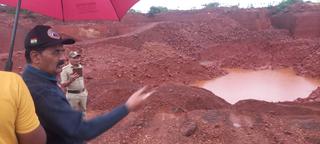
LEGAL SCRUTINY AND ADMINISTRATIVE ACCOUNTABILITY
The involvement of the Upa Lokayukta has elevated the case from a routine inquiry to a matter of public importance. As an institution tasked with investigating corruption and maladministration, its findings carry significant weight. By framing the officials’ inaction as dereliction of duty, it has opened the door to both disciplinary and legal consequences.
Legal experts note that proving dereliction requires establishing knowledge and failure to act. The inquiry reportedly relies on inspection reports, complaints, and records that indicate awareness of illegal activity. If substantiated, these findings could set a precedent for holding officials accountable for omissions, not just direct misconduct.
The government has indicated that it will cooperate fully with the inquiry. However, opposition leaders have questioned why action was not taken earlier, suggesting that the system responds only when tragedy strikes. They have called for a comprehensive audit of quarries across the state to prevent similar incidents.
Within the bureaucracy, the case has generated unease. Officials fear that retrospective scrutiny could expose them to liability for systemic failures beyond their control. While accountability is essential, some argue for clearer guidelines to delineate responsibilities and protect officers acting in good faith.
The balance between accountability and administrative paralysis is delicate. Excessive fear of punishment can discourage initiative, while lack of consequences breeds complacency. The outcome of this case may influence how this balance is struck in Karnataka’s governance framework.
For the public, the key concern is whether justice will be timely and meaningful. Past experiences with high-profile inquiries have fostered cynicism, as prolonged proceedings often dilute impact. The Upa Lokayukta’s credibility, therefore, hinges on ensuring that findings lead to tangible action.
As the legal process unfolds, attention will remain focused on whether the booked officials face real consequences or whether the case becomes another entry in a long list of unresolved tragedies.
A TEST FOR GOVERNANCE AND MORAL RESPONSIBILITY
The death of the truck driver has become a moral reckoning for Karnataka’s administrative machinery. Beyond legal culpability lies a deeper question of responsibility toward those whose labour sustains economic activity yet leaves them most exposed to risk. The tragedy has exposed the fragility of protections for informal workers operating in hazardous sectors.
Civil society groups have urged the government to go beyond punitive measures and implement preventive strategies. These include strict licensing, regular inspections, worker safety protocols, and mechanisms for anonymous reporting. Without such measures, they warn, illegal quarrying will continue to claim lives.
The Upa Lokayukta’s action offers a moment of introspection. By naming officials across departments, it challenges the notion that responsibility ends at individual desks. It highlights the collective duty of governance to anticipate harm and act decisively.
For the driver’s family, justice is inseparable from acknowledgment. They seek not only accountability but assurance that others will not suffer the same fate. Their loss stands as a stark reminder that governance failures are measured not just in files and reports but in human lives.
As Karnataka grapples with the implications of this case, the broader lesson is clear. Development and resource extraction cannot proceed at the expense of safety and legality. When rules are ignored and warnings dismissed, tragedy becomes inevitable.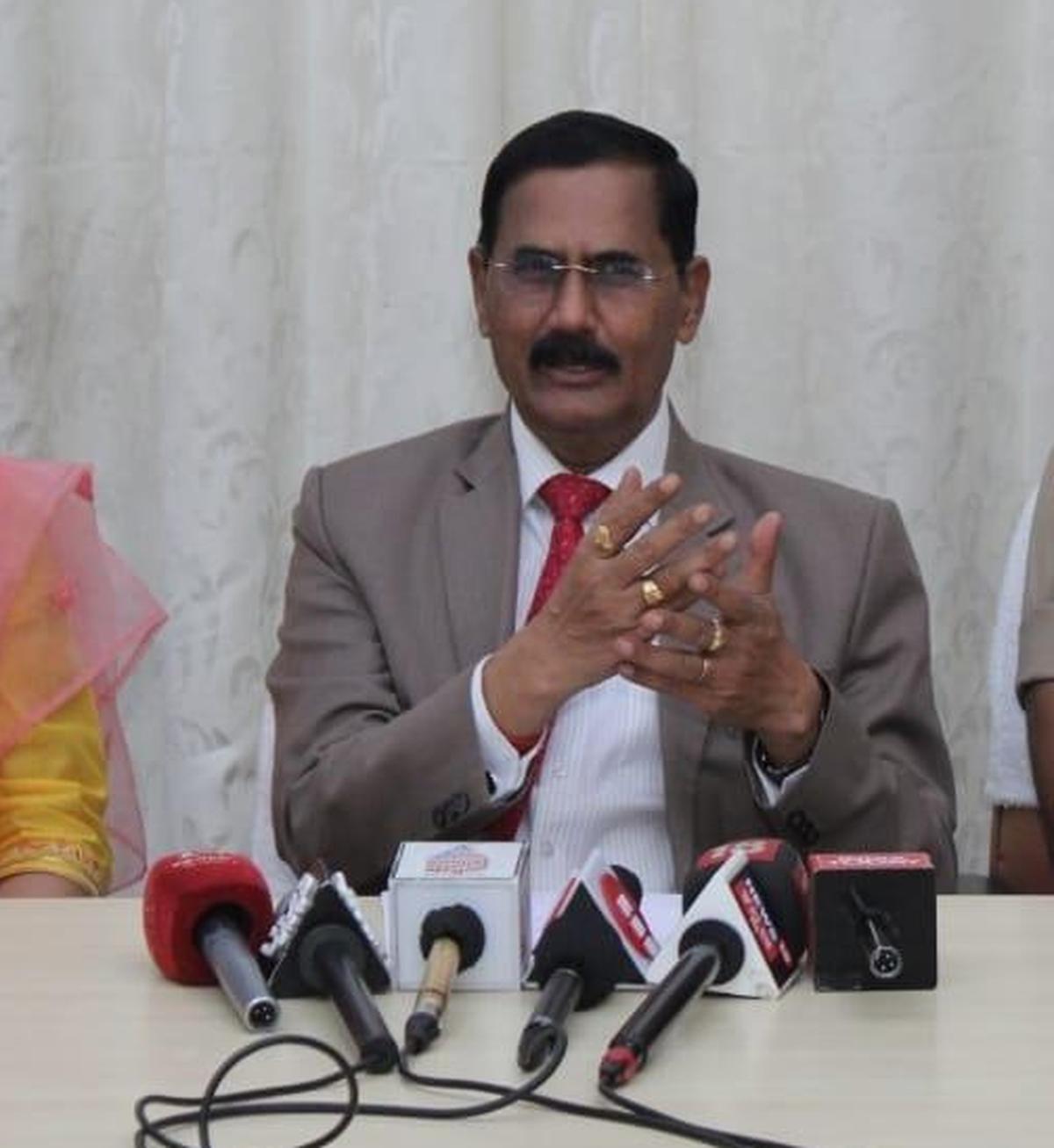
The proceedings initiated by the Upa Lokayukta now represent a crucial opportunity. If pursued with integrity and resolve, they could mark a turning point in how illegal quarrying is addressed. If not, the driver’s death risks becoming yet another statistic in a cycle of neglect.
Ultimately, the case tests whether the state can honour its promise of protection to its most vulnerable citizens. The answer will shape public faith in institutions and determine whether accountability can move from rhetoric to reality.
Follow: Karnataka Government
Also read: Home | Channel 6 Network – Latest News, Breaking Updates: Politics, Business, Tech & More
