
Trump Announces New 25% Tariff: How Will It Impact Iran’s Trading Partners?
US President Donald Trump has announced a new trade measure that could significantly reshape global commerce involving Iran. Under the proposed policy, countries that continue doing business with Iran could face a 25 percent tariff on their exports to the United States, a move aimed at increasing economic pressure on Tehran by targeting its international trading network.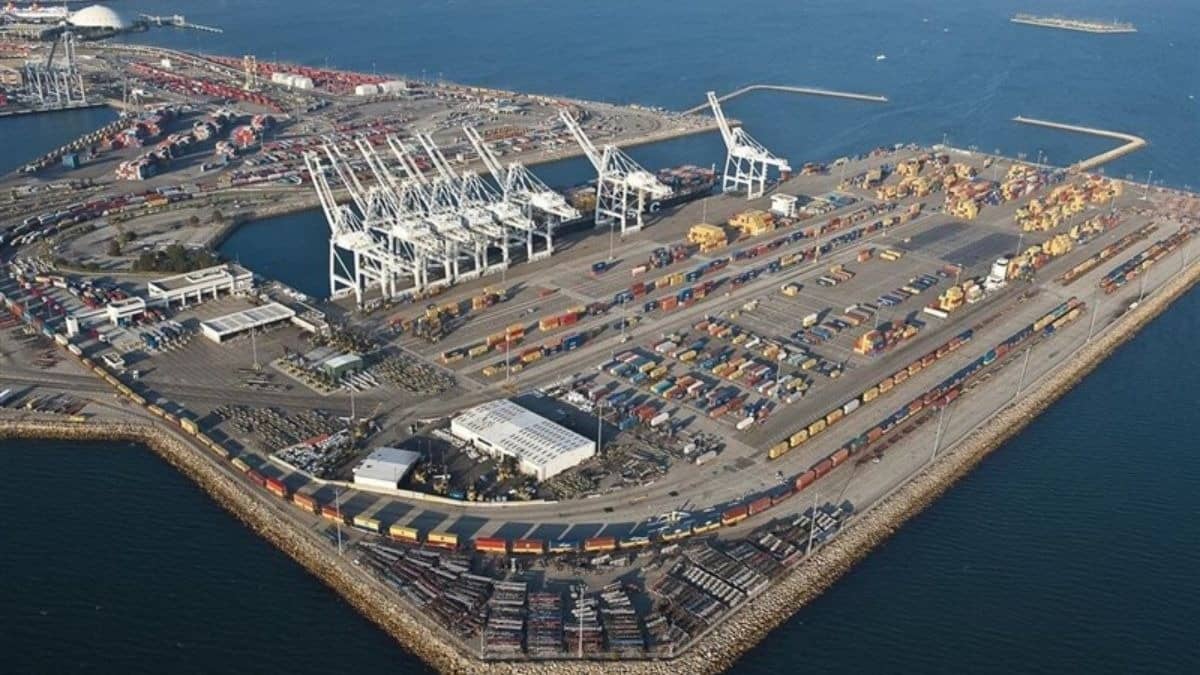
The announcement signals a tougher stance than traditional sanctions, shifting the focus from direct restrictions on Iran to indirect pressure on its economic partners. By leveraging access to the US market, the tariff effectively asks countries to choose between maintaining trade ties with Iran or safeguarding their exports to one of the world’s largest economies.
How the Tariff Works
The proposed tariff would apply broadly to countries that engage in commercial trade with Iran. This includes energy purchases, industrial goods and other forms of bilateral commerce. A 25 percent tariff would make affected countries’ goods more expensive in the US market, reducing competitiveness and potentially shrinking demand.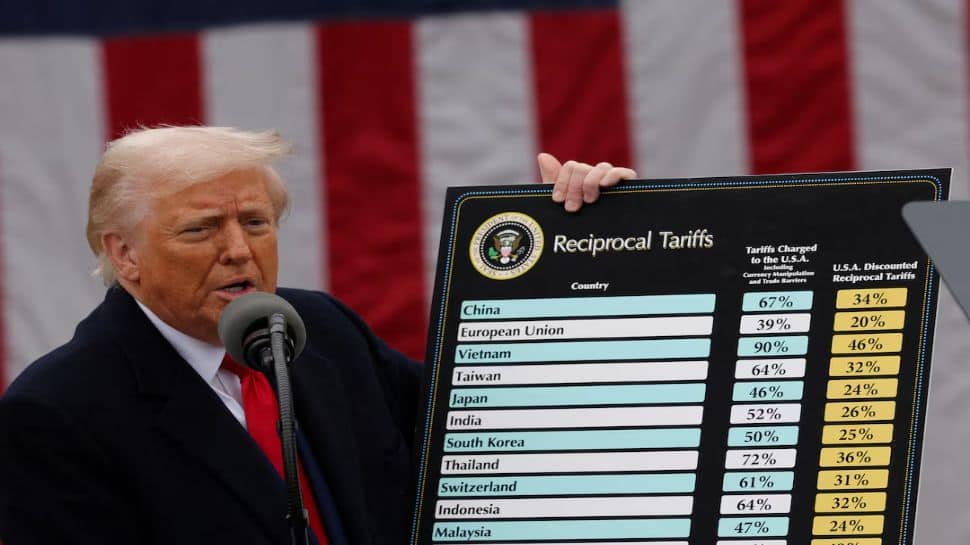
While details around enforcement and exemptions are still unclear, the policy introduces immediate uncertainty for governments and businesses alike. Exporters may need to reassess supply chains, pricing strategies and long-term trade commitments if the measure is implemented fully.
Pressure on Major Trading Partners
Countries with deep economic ties to Iran are likely to feel the strongest impact. China remains Iran’s largest trading partner, particularly in the energy sector. A tariff could complicate trade flows and add friction to an already strained US-China economic relationship.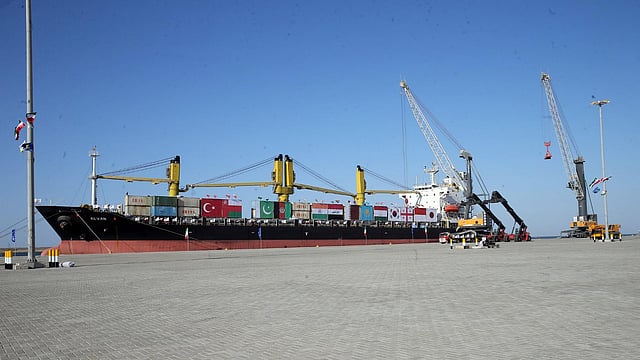
Regional trade hubs such as the United Arab Emirates and Turkey also maintain substantial commercial links with Iran. For these economies, the tariff of Trump could disrupt intermediary trade and logistics networks that rely on cross-border commerce. Balancing regional economic interests with access to the US market may become increasingly difficult.
European countries could also face dilemmas, especially those whose companies maintain legacy trade relationships with Iran. Even limited exposure could invite scrutiny under the new tariff framework, creating caution across industries.
India’s Position
India’s exposure is comparatively limited. While New Delhi has historically maintained ties with Tehran, overall trade volumes have declined sharply in recent years. Much of the remaining engagement focuses on humanitarian goods such as food and medicines, areas that have traditionally been treated differently under sanctions regimes.
However, the broader policy could still influence future decision-making. Businesses may become more cautious about entering or expanding trade with Iran if the risk of US tariffs looms large. Strategic projects and niche exports may also be evaluated through a more risk-sensitive lens.
Broader Economic Consequences
Beyond individual countries, the tariff of Trump could introduce new volatility into global trade. Companies that operate across multiple markets may face higher costs, regulatory uncertainty and delays as they adapt to shifting rules. Supply chains that pass through Iran or rely on Iranian resources could be forced to reconfigure.
The tariff could also lead to price fluctuations in commodities, particularly energy, if trade flows are disrupted. Smaller economies with limited flexibility may struggle to absorb the economic shock compared to larger diversified exporters.
Geopolitical Ramifications
Diplomatically, the move raises concerns about the extraterritorial reach of trade policy. Some countries may view the tariff as an overextension of US influence into sovereign trade decisions. This could prompt diplomatic pushback or efforts to create alternative trade mechanisms that bypass US markets.
At the same time, the tariff reinforces a broader trend of using economic tools to achieve foreign policy goals. Whether this approach succeeds in altering Iran’s behaviour remains uncertain, especially as global power dynamics continue to shift.
What Comes Next
As governments and industries digest the announcement, many are likely to seek clarity and possible exemptions. Some may gradually scale back Iran-related trade to minimise risk, while others could explore diversification strategies to protect export revenues.
Ultimately, the effectiveness of the tariff will depend on enforcement consistency and international response. What is clear is that the move adds another layer of complexity to an already fragile global trade environment, with ripple effects likely to extend well beyond Iran and the United States.
Also read: https://channel6network.com/hum-to-tere-hi-liye-the/
