
US Tariff Hike Raises Fresh Concerns for India’s Textile Industry
US tariff hike has emerged as a major concern for India’s textile sector, especially in export-driven hubs like Tiruppur, where manufacturers and workers are already facing prolonged economic stress. US tariff hike is now being cited as a direct reason for stalled orders, shrinking margins, and growing uncertainty among small and medium textile units.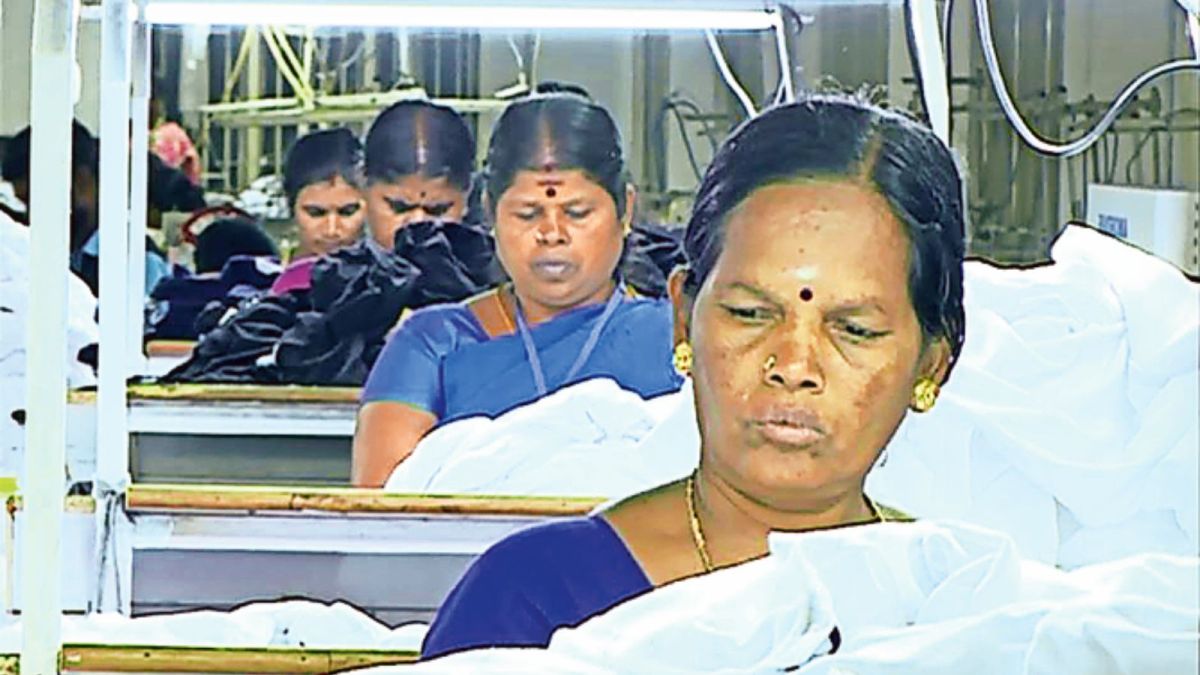
Addressing the media in Tiruppur, Member of Parliament K Subbarayan urged the central government to take immediate steps to address the crisis. He said the textile and allied industries have been severely affected and warned that continued inaction could lead to the collapse of many small and micro units across industrial regions.
According to him, the impact of the US tariff hike has gone beyond temporary disruption and is now threatening the survival of businesses that depend heavily on exports to the American market.
US Tariff Hike Deepens Crisis in Tiruppur’s Textile Ecosystem
US tariff hike has hit Tiruppur at a time when the textile sector is still recovering from previous global disruptions. The city, known as one of India’s largest knitwear export hubs, relies significantly on international demand, particularly from the United States. Exporters say higher tariffs have made Indian products less competitive, leading to order cancellations and price renegotiations.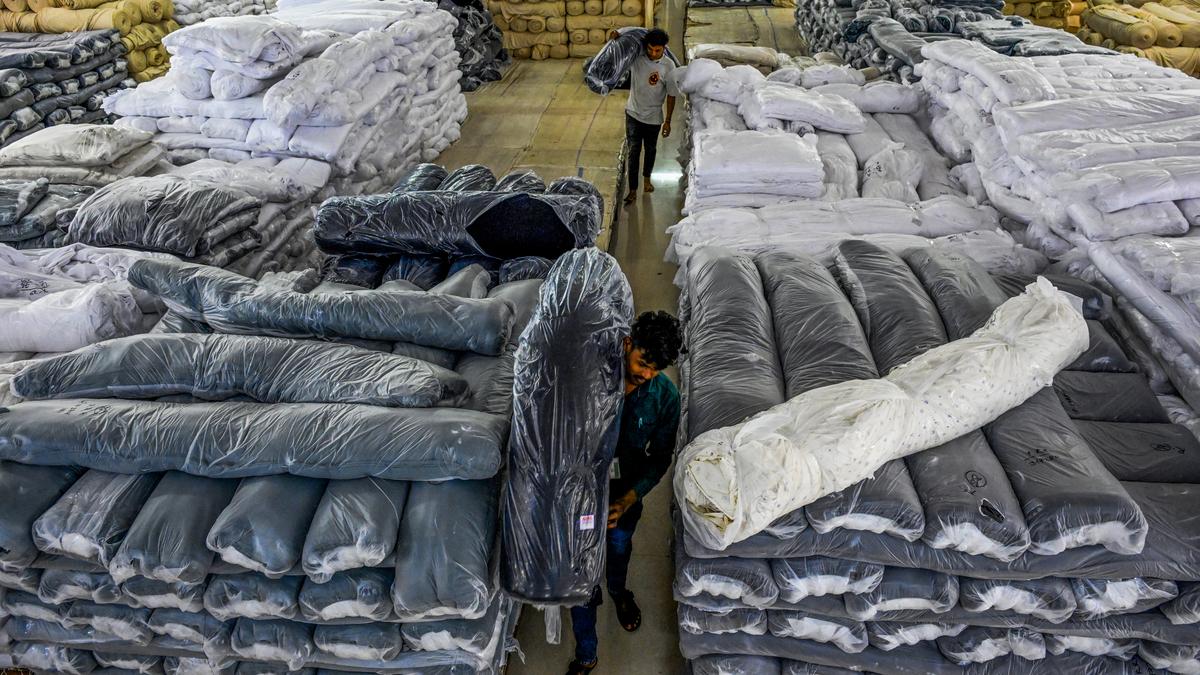
Industry representatives have pointed out that increased duties directly affect production planning. Many units operate on thin margins and cannot absorb sudden cost increases. As a result, smaller manufacturers are either reducing output or suspending operations temporarily.
Subbarayan stated that the central government should have reacted immediately by engaging with the United States and by consulting domestic industry stakeholders. He criticised the absence of a strong response, saying the situation required urgent diplomatic and economic intervention.
He also warned that prolonged pressure from the US tariff hike could push thousands of workers into unemployment. Tiruppur’s economy depends heavily on textile-related jobs, including dyeing units, logistics, garment finishing, and ancillary services. A slowdown in exports impacts the entire chain.
The MP further said that ignoring the demands of the textile sector would only worsen regional inequality, as industrial towns like Tiruppur depend far more on exports than metropolitan economies.
US Tariff Hike and Policy Concerns Raised by Tiruppur MP
Beyond the immediate effects of the US tariff hike, Subbarayan also criticised broader economic policies. He argued that continued emphasis on privatisation has weakened the domestic industrial base. According to him, industrial resources are increasingly concentrated among large corporate players, while small and medium enterprises are left vulnerable to global shocks.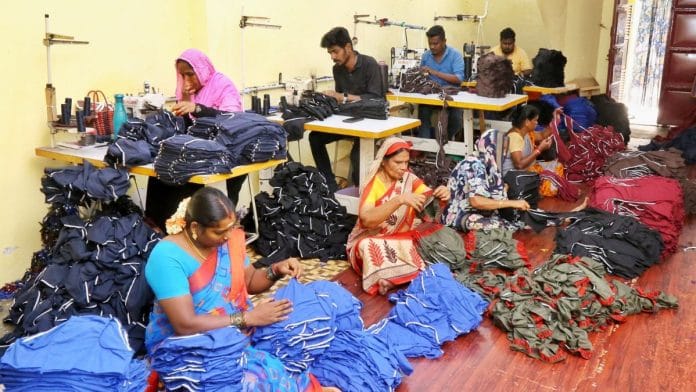
He stressed that MSMEs form the backbone of India’s textile industry and require active policy protection, especially during international trade disruptions. Without targeted support, he said, many units may not survive the current phase.
The MP called on the centre to hold direct consultations with textile associations and exporters to understand ground-level challenges. He said relief measures should not be delayed, as financial stress is already visible across the sector.
Alongside textile issues, Subbarayan also spoke about the ongoing poultry farmers’ protest. He supported the farmers’ demand for a revision in the rearing rate for hens, calling it reasonable and justified. He urged the state government to step in and mediate between farmers and broiler companies to reach a fair settlement.
He expressed concern over the arrest of protesting farmers and said cases filed against them should be withdrawn. According to him, criminalising economic protests only deepens distress in rural and semi-urban communities. Also Read: India UAE Defence Partnership: Modi and MBZ Strengthen Bilateral Ties
While the textile sector struggles with the US tariff hike, allied sectors like poultry farming are also under pressure, highlighting broader structural challenges in India’s production economy.
Exporters and worker unions in Tiruppur have echoed similar concerns, stating that without timely intervention, industrial stability cannot be guaranteed. Many have urged both the centre and the state to coordinate responses instead of shifting responsibility.
Conclusion
US tariff hike has intensified existing stress in India’s textile sector, with Tiruppur emerging as one of the worst-affected regions. Calls from industry leaders and political representatives underline the need for swift consultation, policy correction, and relief measures to prevent long-term damage to employment and industrial capacity.
