
Vilamarathur water scheme protests and unresolved legal burden
Vilamarathur water scheme has once again come into public discussion, not because of shortages, but due to demands by social activists to revoke cases filed against people who protested for the project years ago. With the drinking water scheme now implemented and operational, activists argue that continuing legal cases against protesters serves no public purpose and places unnecessary pressure on citizens, police, and courts.
The Vilamarathur water scheme was a long-standing demand of residents in the Mettupalayam municipality area. For several years, people faced drinking water shortages and depended on irregular supply. This led to repeated protests, especially during the period when the project remained stalled despite public pressure.
In 2020, a series of continuous protests were organised to push for the implementation of the scheme. During these demonstrations, the police booked cases against several protesters, including social activists, political party members, and local residents. A total of 21 people were charged for allegedly obstructing pipeline work meant to supply drinking water from Mettupalayam to Tiruppur district.
Activists now point out that the very demand for which they were charged has been fulfilled. They argue that keeping such cases alive even after public demands are met discourages people from raising civic issues in the future.
According to representatives of labour and social organisations, filing cases during protests is not uncommon. However, they stress that once the objective of the protest is achieved, governments have a responsibility to withdraw such cases in the interest of fairness and democratic participation.
Vilamarathur water scheme cases under trial despite project launch
Vilamarathur water scheme cases are currently under trial, even though the project was formally launched for public use earlier this month. Protesters say this situation creates a continuing legal burden for individuals who acted in the public interest.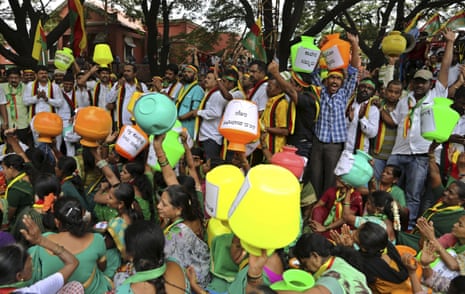
The cases were registered under sections related to unlawful assembly, wrongful restraint, and acts allegedly endangering public safety. Activists argue that these charges do not reflect the peaceful intent behind the protests, which were aimed solely at securing drinking water for the local population.
Several of those booked have been attending court hearings for years. They say repeated adjournments, legal expenses, and the stress of ongoing trials affect their livelihoods and personal lives. Activists also point out that such cases add to the already heavy workload of the police and judiciary.
Representatives of labour unions and civic groups have submitted petitions requesting the withdrawal of the cases. They argue that the implementation of the Vilamarathur water scheme itself proves the legitimacy of the protests. According to them, acknowledging this by revoking the cases would send a positive message about the government’s approach to public participation.
Activists also referred to earlier instances where protest-related cases were dropped after public demands were fulfilled. In one such case, people who protested the suspension of a passenger train service between Coimbatore and Mettupalayam were eventually acquitted after their demand was accepted. They believe a similar approach should be followed now.
Local residents echo these views, saying the protests played a key role in keeping the water issue alive. Many feel that penalising those who raised concerns sends the wrong signal to communities facing basic infrastructure problems.
Officials, however, have not yet issued a formal response on withdrawing the cases. Sources indicate that the matter is under consideration following petitions submitted to the appropriate authorities.
Vilamarathur water scheme highlights role of public protest
Vilamarathur water scheme is now being cited as an example of how sustained public pressure can lead to essential infrastructure development. Activists believe that recognising this role also means respecting those who stood up for the cause.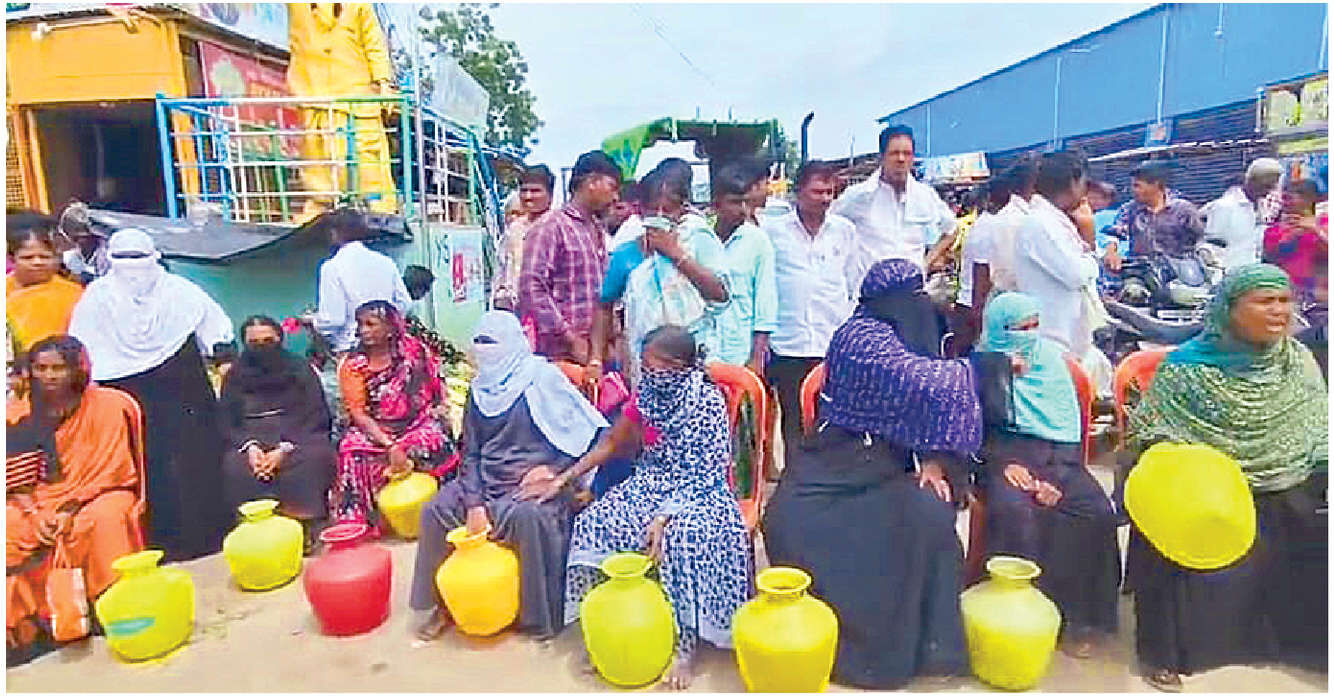
They argue that protests for drinking water, transport, or other public needs should not leave long-term legal scars on individuals once the issue is resolved. According to them, resolving such cases would strengthen trust between citizens and the administration.
Observers note that withdrawing protest-related cases after project completion could encourage constructive civic engagement rather than discourage it. They say it would help balance law enforcement with democratic expression. Also Read: Tribal Dept to Team Up With Global Chess Body to Reshape Learning in Schools in 2026
Conclusion
Vilamarathur water scheme has delivered relief to residents, but the unresolved cases against protesters remain a concern. Activists believe that withdrawing these cases would be a fair step, recognising the role of public action in securing essential services and easing the legal burden on citizens who fought for a common cause.
